
Specific phobias
Guiding patients through specific phobias with virtual reality exposure
Specific phobias cause intense, irrational fear triggered by particular situations, objects, or contexts, such as heights, enclosed spaces, or crowds. Physical reactions like palpitations or dizziness often come with an overwhelming need to avoid the feared situation, restricting daily life and social interactions.
With gradual, appropriate approaches, patients can learn to manage these fears. "Virtual reality is 80% effective, with benefits lasting for more than a year after treatment," notes Dr Eric Malbos, psychiatrist.
- +350
- facilities
- equipped
- +700
- practitioners
- trained
- +10
- years
- of expertise
- +25
- countries
- of deployment
About C2Care and specific phobias
What are specific phobias?
A specific phobia is an irrational, overwhelming fear triggered by a particular situation, object, or context, such as heights, confined spaces, crowds, or transportation. It causes physical reactions like palpitations or dizziness, along with an uncontrollable urge to avoid the feared situation, which limits daily life and social interactions.
With gradual exposure, patients can regain confidence and reduce these avoidance behaviors.
How it works
A complete solution for treating specific phobias
C2Care combines virtual reality, artificial intelligence, and clinical protocols to support practitioners in treating specific phobias.

Headset & hardware
Patients are immersed in realistic virtual environments recreating the feared situation, from heights to enclosed spaces or crowded places.

Therapeutic platform
The platform helps practitioners select and repeat exposure scenarios for each specific phobia, supporting cognitive restructuring session after session.

Personalization
Each environment can be personalized, adjusting road type, platform height, or crowd density to match the patient's anxiety level and progress gradually.

Support
The AI assistant Camille supports patients throughout exposure sessions, without judgment, reinforcing positive thought patterns and confidence.
How it works
How to use virtual reality exposure for specific phobias
- 1
Choose the environment
Select the environment matching the patient's specific phobia, such as heights, enclosed spaces, transportation, or crowded places.
- 2
Equip the patient
Fit the patient with the virtual reality headset and introduce the chosen scenario.
- 3
Adjust the exposure
Gradually increase the difficulty of the environment to progressively desensitize the patient to the feared situation.
- 4
Support
Rely on the AI assistant Camille to support the patient throughout the session, reinforcing positive thought patterns and confidence.
Environnements
Discover our environments for every specific phobia
Each specific phobia is addressed through dedicated virtual reality environments, tailored to the feared situation.

Transport
The fear of transportation is a common form of anxiety that can significantly impact daily life. Taking the subway, flying, or driving can become stressful due to the speed and unpredictability of surrounding interactions. Virtual reality lets patients expose themselves to driving or public transportation scenarios to regain confidence.
More details
Acrophobia
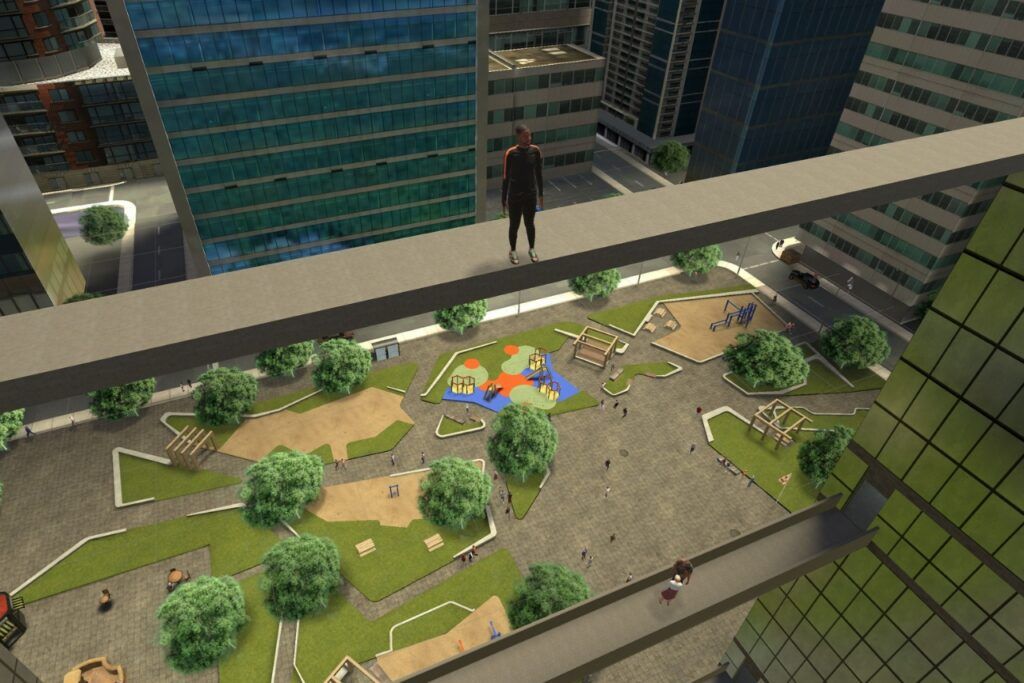
Acrophobia, or the fear of heights, is an intense and irrational fear experienced in elevated or high-altitude locations. It can affect leisure activities, such as mountain hiking, and travel, particularly when crossing bridges, sometimes triggering panic reactions.
More details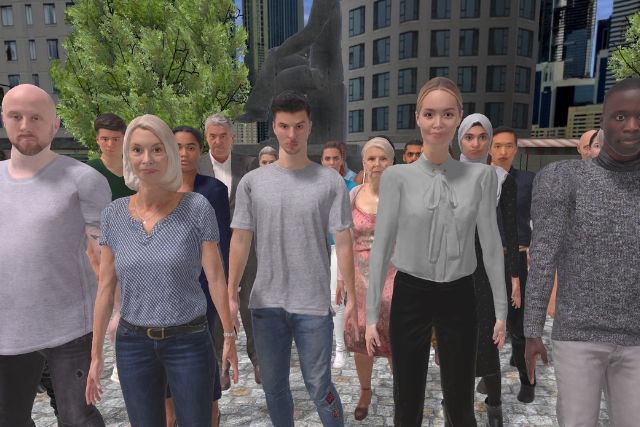
Agoraphobia
Agoraphobia is characterized by an excessive and irrational fear of being unable to leave or escape a location, or of being in crowded public places. Gradual exposure helps reduce avoidance behaviors and adapt progressively to anxiety-provoking contexts.
More details Claustrophobia
Claustrophobia is an excessive and irrational fear of enclosed or confined spaces, such as elevators, tunnels, or small rooms, often causing palpitations, a feeling of suffocation, or dizziness. With virtual reality, patients can be immersed in any type of environment from the comfort of home.
More detailsTherapeutic applications
Which phobias can be treated with C2Care?
C2Care addresses a wide range of specific phobias through graduated virtual reality exposure.
Acrophobia
Acrophobia is the intense, irrational fear of heights, affecting mountain hiking or crossing bridges. C2Care uses graduated exposure to elevated virtual environments, letting patients adjust platform height at their own pace to reduce panic reactions.
 Learn more
 Agoraphobia
Agoraphobia is an excessive fear of being unable to leave or escape a location, or of crowded public places. Gradual exposure to virtual crowded environments, with adjustable crowd density, helps patients adapt progressively and reduce avoidance behaviors.
Learn more Claustrophobia
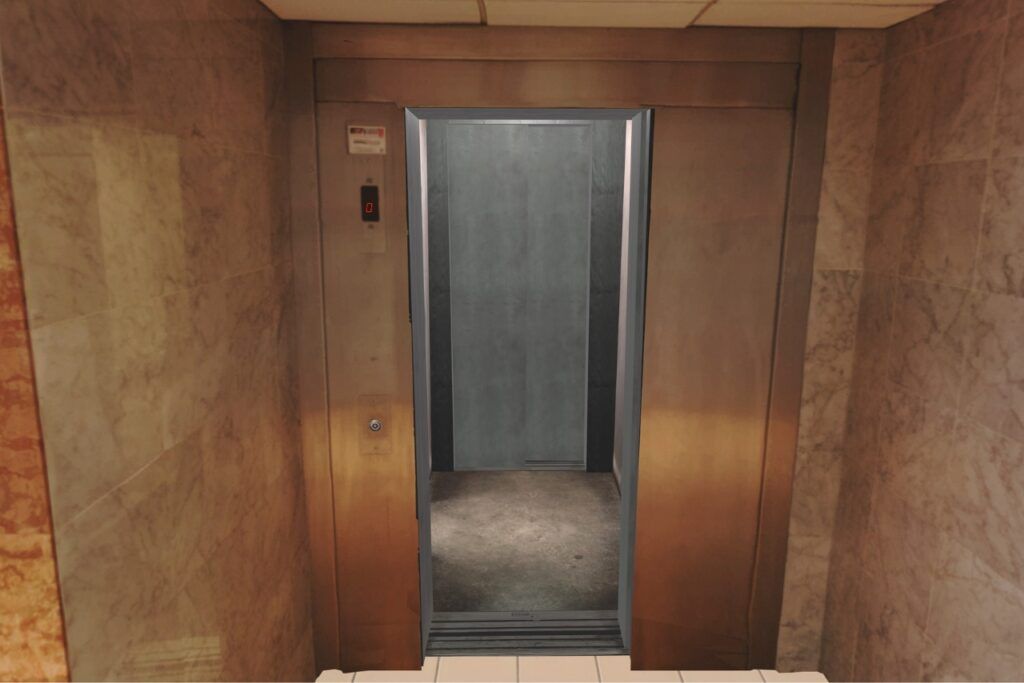
Claustrophobia is an excessive fear of enclosed spaces such as elevators, tunnels, or small rooms, often causing palpitations or a feeling of suffocation. Virtual reality allows patients to be immersed in these environments from the comfort of a practitioner's office.
 Learn more
 Fear of driving
The fear of driving is a common form of transportation-related anxiety, often triggered by the speed and unpredictability of traffic. Virtual reality exposes patients to driving scenarios, from city streets to highways, helping them regain confidence in handling unexpected events.
Fear of flying
The fear of flying can make air travel deeply stressful, from boarding to takeoff and turbulence. C2Care recreates each flight phase in virtual reality, allowing patients to gradually build confidence before flying.
Arachnophobia
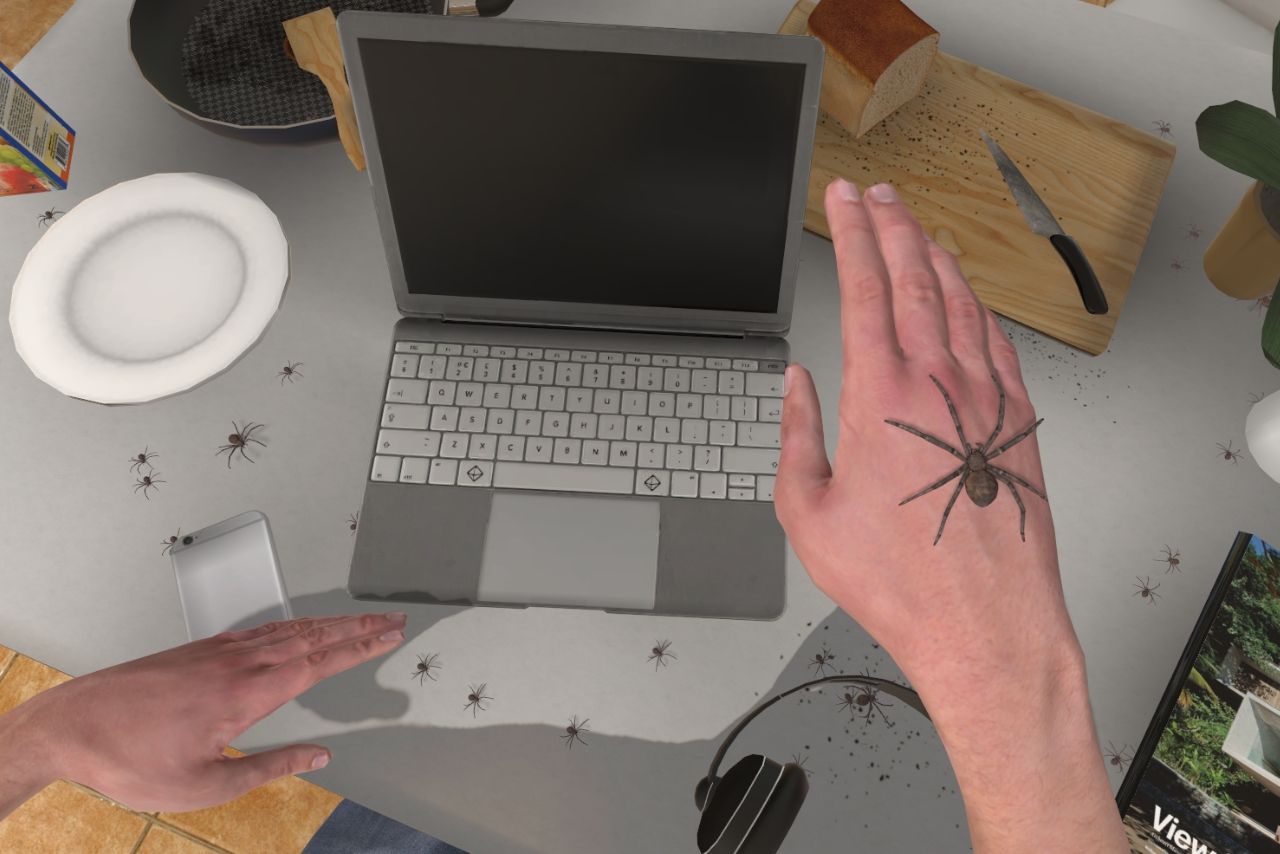
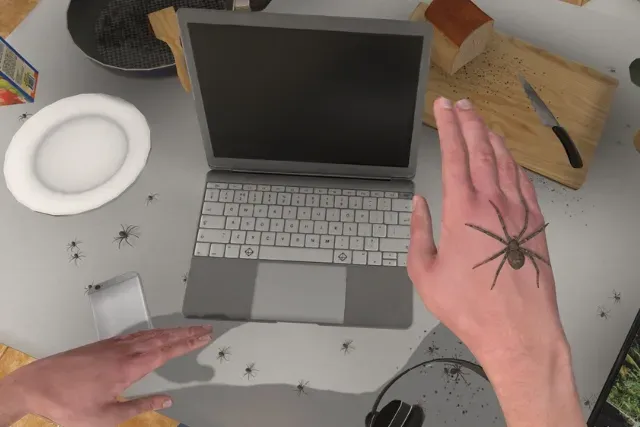
Arachnophobia, the fear of spiders, causes palpitations, sweating, or an urge to escape. Virtual reality offers a safe, progressive way to confront this fear and regain control.
Fear of wasps
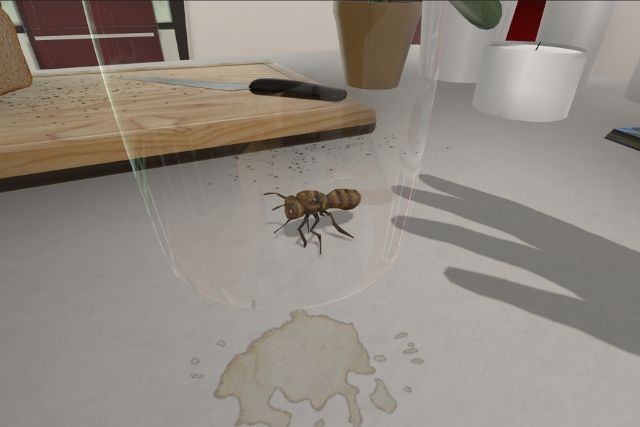
The fear of insects such as wasps triggers intense reactions similar to other specific phobias. C2Care's virtual environments let patients confront these situations gradually and safely.
Fear of dogs and rats
The fear of animals such as dogs or rats causes significant distress in everyday encounters. Gradual exposure in virtual reality helps patients desensitize to these situations at their own pace.
Obsessive-compulsive disorder
Obsessive-compulsive disorder can also be addressed through virtual reality exposure. C2Care provides a progressive framework for patients to confront anxiety-inducing situations linked to their compulsions.
Success stories
They share their experience with C2Care
Patients and practitioners describe how virtual reality exposure therapy changed their daily lives.
Success stories
Why choose C2Care for specific phobias
+350
facilities
equipped
+700
practitioners
trained
+10
years
of expertise
+25
countries
of deployment
FAQ
Frequently asked questions about specific phobias and virtual reality
Find answers to the questions practitioners most often ask about using virtual reality exposure therapy for specific phobias.
Which specific phobias can be treated with virtual reality?
C2Care offers environments for acrophobia (fear of heights), agoraphobia, claustrophobia, fear of transportation, and other specific phobias such as spiders, wasps, rats or dogs.
How does virtual reality exposure work for a phobia?
The patient is immersed in a virtual environment that recreates the feared situation. The intensity increases gradually, allowing progressive desensitization and helping patients build confidence in their ability to cope.
What role does artificial intelligence play in treating phobias?
The AI assistant Camille supports patients without judgment during exposure sessions. Virtual characters also reproduce realistic social behaviours, allowing interaction in situations such as a party or a job interview.
Can virtual environments be personalized according to the patient’s phobia?
Yes. Practitioners can adjust factors such as the type of road, phase of a flight, platform height or crowd density in public spaces to tailor gradual exposure to each patient’s specific needs.
Is virtual reality effective for treating phobias?
According to reported data, virtual reality has an effectiveness rate of around 80%, with benefits lasting for more than a year after treatment. This figure does not come from a scientific clinical study.
Can I feel nauseous when using a virtual reality headset?
Yes, this can happen. This phenomenon is known as cybersickness and is reversible. It is recommended to begin with static environments and then gradually introduce head movements and slow movement.
Is cognitive restructuring part of phobia treatment?
Yes. Patients learn to challenge catastrophic thoughts such as “something terrible is going to happen to me” and replace them with more functional thoughts such as “I am safe,” reinforced through repeated exposure.
Who can benefit from virtual reality exposure therapy for phobias?
Research suggests that virtual reality exposure therapy can benefit a broad range of age groups, including adults, adolescents and older adults. It is generally not recommended for people with epilepsy or during pregnancy.
Who can use virtual reality for treatment?
Virtual reality exposure therapy can be used across a wide age range, including adults, adolescents and older adults. Studies report good feasibility and significant outcomes, including increased therapeutic engagement among adolescents and benefits for cognitive stimulation and anxiety in older adults.
What are the benefits for therapists using virtual reality?
Virtual reality can help therapists differentiate their practice from traditional treatment options. It is supported by extensive scientific research, can improve patient engagement and saves time by providing direct access to exposure environments without requiring external logistics.
Do I have access to all environments?
Access depends on the application and subscription selected. C2Phobia includes environments dedicated to specific phobias, while other applications, such as C2Drive, address more specific needs such as fear of driving.
Who should I contact in case of software issues?
The technical support team can be reached via live chat from your control panel. If there is a problem with your headset, the team can help diagnose it and, if necessary, provide a return label and replacement equipment within 48 hours.
Which patients can benefit from virtual reality exposure therapy?
Virtual reality exposure therapy can benefit a broad range of patients. Studies report positive results in adults for anxiety disorders, autism, addictions, eating disorders, neuropsychological disorders, psychotic disorders and mood disorders. Adolescents may show strong therapeutic engagement, while older adults can benefit in areas such as cognitive stimulation, behavioural disorders and anxiety. It is generally not recommended for people with epilepsy or during pregnancy.
How do I cancel my subscription?
Contact the support team via live chat from your control panel to manage or cancel your subscription.