
Entomophobia
Helping patients overcome entomophobia with virtual reality exposure
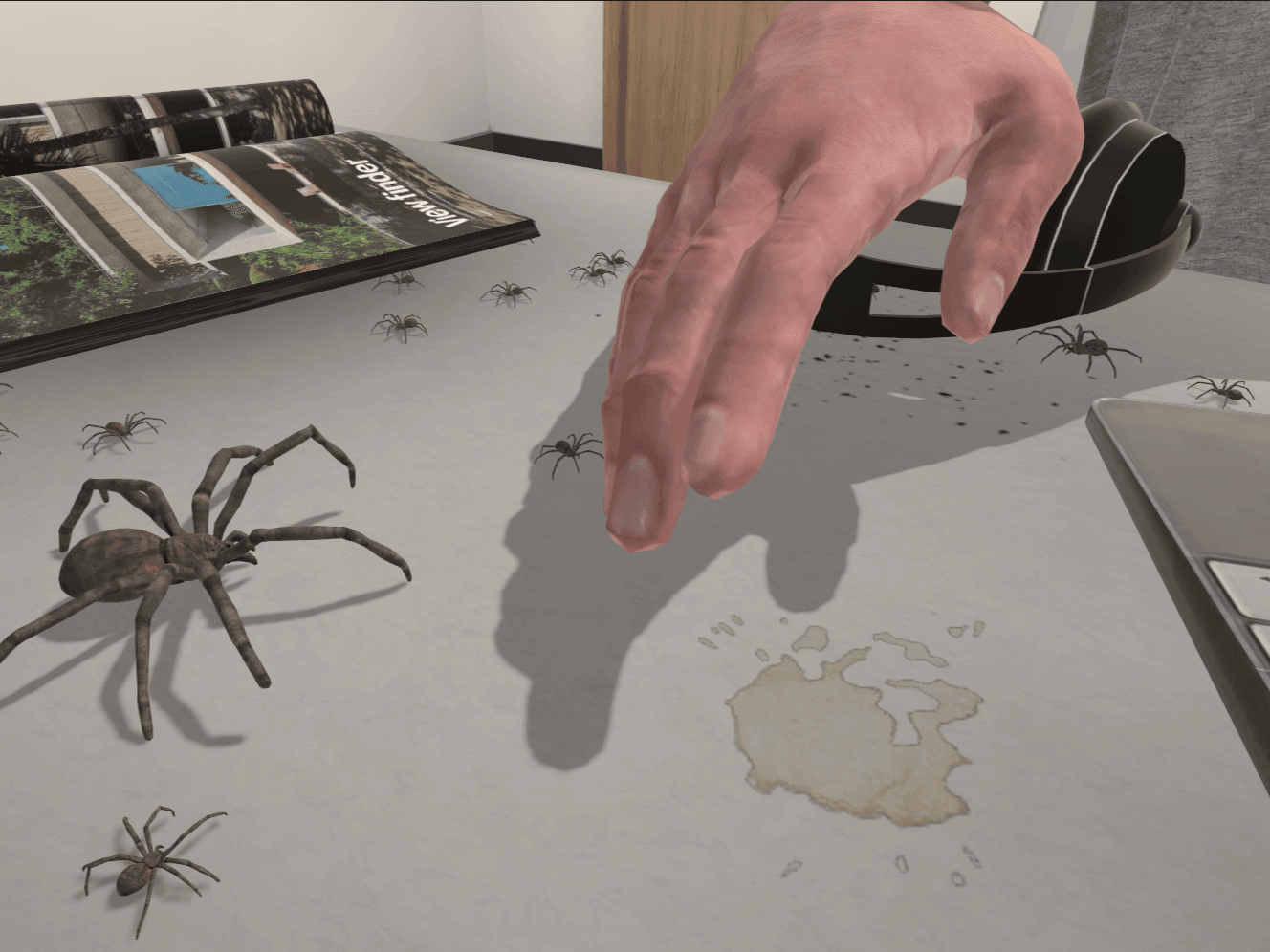
Entomophobia, the extreme fear of insects, affects close to 6% of the population and can trigger panic at the mere sight of an image.
According to Eric Malbos, psychiatrist, virtual reality exposure shows 80% effectiveness, with benefits maintained for more than a year after treatment.
- +350
- facilities
- equipped
- +700
- practitioners
- trained
- +10
- years
- of expertise
- +25
- countries
- of deployment
About C2Care and entomophobia
What is entomophobia?
Entomophobia is the extreme fear of insects, one of the most common specific phobias. It causes panic and acute anxiety, which can be triggered by images alone.
Facing insects directly, or even imagining such a situation, can generate high levels of distress. Close to 6% of the population report suffering from entomophobia.
How it works
A complete solution for treating entomophobia
C2Care combines a virtual reality headset, a therapeutic platform, personalised exposure and dedicated support to help practitioners treat entomophobia.

Headset & hardware
Practitioners equip patients with a compatible virtual reality headset to access the bee, wasp, hornet and spider exposure environments.

Therapeutic platform
C2Phobia gives unlimited access to insect exposure environments, alongside C2Care's other therapeutic software.

Personalization
Exposure to bees, wasps, hornets and spiders can be adjusted in number and size, so each session matches the patient's level of anxiety.

Support
A psychologist accompanies the patient throughout treatment, combining cognitive behavioural therapy with virtual reality exposure.
How it works
How does it work?
- 1
Choose the environment
The practitioner selects the insect exposure environment suited to the patient, such as bees, wasps, hornets or spiders.
- 2
Equip the patient
The patient equips themselves with a compatible virtual reality headset, giving unlimited access to C2Phobia and C2Care's other software.
- 3
Adjust the exposure
During sessions, the practitioner discusses the anxiety disorder with the patient and adjusts the exposure gradually, increasing the number and size of insects as needed.
- 4
Support
Between sessions, the patient can repeat the exposure autonomously as often as needed, building habituation and reducing anxiety related to insects.

Environments
Insect exposure environments
C2Care offers virtual reality environments dedicated to the insects that most commonly trigger entomophobia.

Bees, wasps and hornets
Bees, wasps, hornets and other yellow and black flying insects are a common source of phobia. The environment lets patients progress in the number and size of insects, with a visual and sound setting that reproduces the sensations linked to this fear.
More details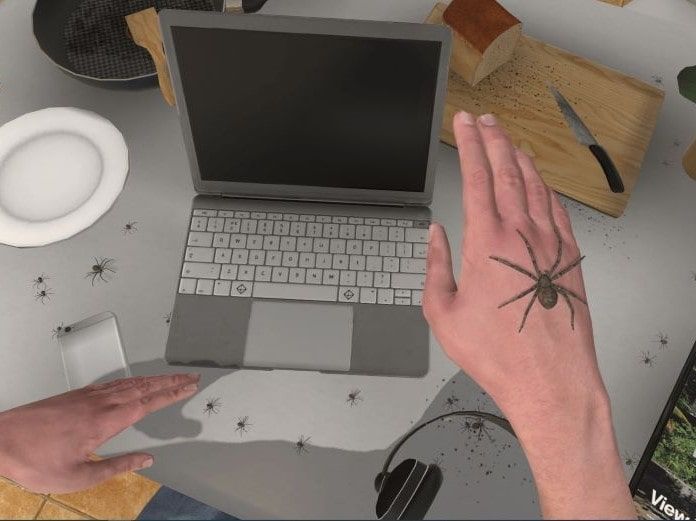
Spiders
The spider exposure environment offers progressive levels in size and number, from a single spider enclosed in a glass bell to dozens of spiders of all sizes, so patients can advance without too much difficulty.
More detailsTherapeutic applications
Which disorders are related to entomophobia?
Entomophobia often overlaps with other anxiety disorders that C2Care also addresses through virtual reality exposure.
Arachnophobia
Fear of spiders frequently accompanies entomophobia. The spider exposure environment offers progressive levels, from a single spider enclosed in a glass bell to dozens of spiders, so patients advance at their own pace.
Generalized anxiety disorder
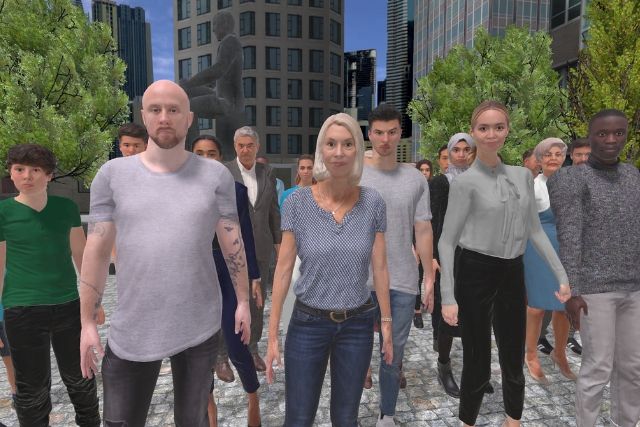
Patients with entomophobia can also present broader anxious patterns. Virtual reality exposure, combined with cognitive behavioural therapy, helps patients desensitise and manage anxiety more generally.
 Learn more
 Agoraphobia
Avoidance of places where insects might appear can extend into agoraphobic behaviour. Gradual virtual reality exposure helps patients regain confidence in the situations they tend to avoid.
 Learn more
Success stories
What patients say about overcoming entomophobia
Patients treated for entomophobia describe how virtual reality exposure changed their daily lives.
Success stories
Why choose C2Care?
+350
facilities
equipped
+700
practitioners
trained
+10
years
of expertise
+25
countries
of deployment
FAQ
Frequently asked questions about entomophobia and virtual reality
Answers to the most common questions practitioners and patients ask about treating entomophobia with virtual reality exposure.
Why use virtual reality in mental health treatment?
Virtual reality allows gradual and controlled exposure to anxiety-inducing situations in a secure environment. It provides realistic, reproducible scenarios, increases patient engagement, and can be personalised. It is also used to treat phobias, post-traumatic stress disorder, obsessive-compulsive disorders, addictions, mood disorders, and for cognitive remediation.
How does virtual reality work?
Gradual and progressive exposure to virtual reality lets you confront anxiety-inducing situations step by step. Intensity is adjusted to your needs, allowing desensitisation and a significant reduction in anxiety. Virtual reality exposure therapy has demonstrated effectiveness in anxiety disorders and phobias for more than 30 years.
What equipment is needed to use a virtual reality headset?
You need a compatible virtual reality headset. Once equipped, you get unlimited access to C2Care's software: C2Phobia, C2Drive, C2Hypno, C2Brain, C2Custom, and C2Motion, covering a wide range of exposure environments.
Can virtual reality be dangerous?
Virtual reality is not recommended for people with epilepsy or for pregnant individuals. Some users may experience cybersickness, a temporary and reversible discomfort linked to movement sensations. Starting with static environments and progressing gradually helps the body adapt.
What pathologies can be treated with virtual reality?
Virtual reality treats anxiety disorders, including phobias such as entomophobia, post-traumatic stress disorder, obsessive-compulsive disorders, addictions, mood disorders, and eating disorders. Studies also report benefits for autism, neuropsychological disorders, and psychotic disorders in adults.
Can I feel nauseous while using the headset?
Yes, this is known as cybersickness, a well-documented phenomenon affecting part of the population. It is reversible. Starting with static environments, then adding slight and later slower head movements, helps the body adapt to the sensation of movement.
Which patients can benefit from virtual reality exposure therapy?
Virtual reality exposure therapy benefits a wide age range, from adults to adolescents and elderly patients, with documented feasibility and therapeutic results. It is used for anxiety disorders, autism, addictions, eating and mood disorders. It is not advised for people with epilepsy or pregnant individuals.
What are the benefits for therapists using virtual reality?
Virtual reality helps therapists stand out through professional differentiation and is backed by extensive research supporting its credibility. It improves patient engagement thanks to its interactive nature and saves time by giving direct access to exposure environments without external logistics.
Who can use virtual reality for treatment?
Virtual reality exposure is effective across a wide age range, with real therapeutic benefits documented for adults, adolescents and elderly patients.
What are the benefits for therapists using virtual reality?
- Professional differentiation: integrating virtual reality sets a practice apart from traditional treatment options.
- Scientific validation: virtual reality exposure therapy is backed by extensive research.
- Improved engagement: the interactive nature of virtual reality fosters greater patient involvement.
- Time-saving: direct access to various exposure environments, without external logistics.
Do I have access to all environments?
Access depends on your subscription and the software included. A compatible headset gives unlimited access to C2Care's software, such as C2Phobia, which contains the insect exposure environments used for entomophobia.
Who should I contact in case of software issues?
Our technical support team can be reached via live chat from your control panel. If your headset has an issue, we will help diagnose it and provide a return label to replace defective equipment within 48 hours.