
Agoraphobia
Guiding patients through agoraphobia with virtual reality exposure
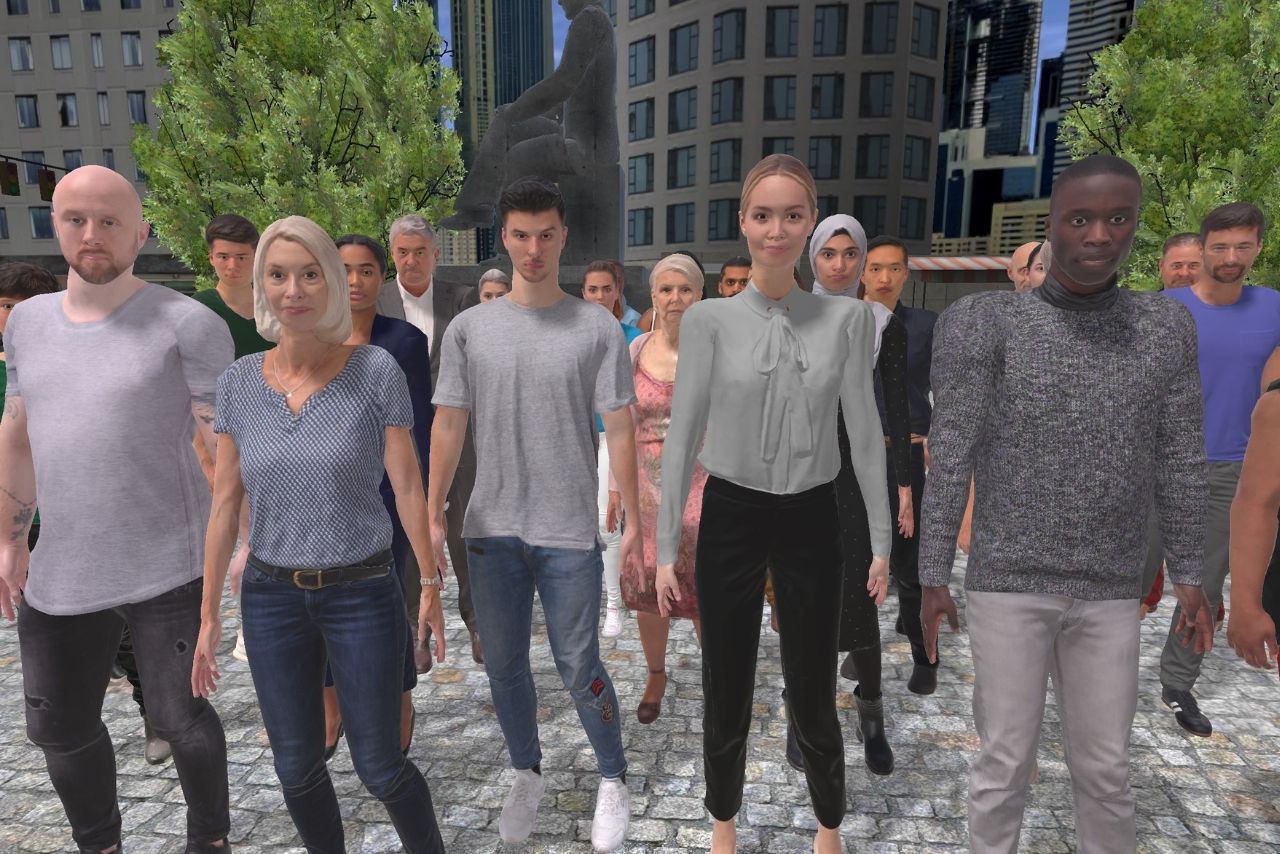
Agoraphobia, often described as the fear of fear, leads patients to avoid public places, open spaces and enclosed environments to escape the risk of panic or loss of control. By recreating crowded, open and enclosed scenes, virtual reality lets practitioners work directly on the emotions these situations trigger.
- +350
- facilities
- equipped
- +700
- practitioners
- trained
- +10
- years
- of expertise
- +25
- countries
- of deployment
About C2Care and agoraphobia
What is agoraphobia?
Agoraphobia is the fear of being unable to leave or escape a situation, often summarised as the fear of fear. It leads to significant social and professional limitations, as patients develop avoidance behaviours around public places, enclosed spaces and open areas to prevent panic or loss of control.
How it works
A complete solution to treat agoraphobia
C2Care combines immersive virtual reality environments, a dedicated therapeutic platform and AI-based support to help practitioners work on agoraphobia step by step.

Headset & hardware
The virtual reality headset immerses patients in open spaces, enclosed environments, public transportation and crowd scenes, the situations most commonly avoided in agoraphobia.

Therapeutic platform
The C2Care platform lets practitioners control immersion, cognitive restructuring, repetition and progressiveness across sessions to reduce agoraphobic anxiety.

Personalization
Crowd density, transport breakdowns and elevator wall transparency can all be adjusted to build a gradual exposure tailored to each patient.

Support
The assistant IA Camille supports patients throughout their exposures, without judgment, reinforcing confidence session after session.
How it works
How to use C2Care for agoraphobia
- 1
Choose the environment
Choose from open spaces, enclosed spaces, public transportation or crowd environments, the situations most often avoided by agoraphobic patients.
- 2
Equip the patient
Equip the patient with the virtual reality headset so they can be immersed in the selected scene.
- 3
Adjust the exposure
Adjust the intensity of the exposure gradually, for example crowd density or elevator wall transparency, so the patient can build confidence at their own pace.
- 4
Support
Rely on the assistant IA Camille to accompany the patient during exposures and reinforce positive thought patterns.
Environments
The different situations of agoraphobia
C2Care recreates the environments most commonly avoided by agoraphobic patients, so practitioners can expose them gradually and safely.
Open spaces
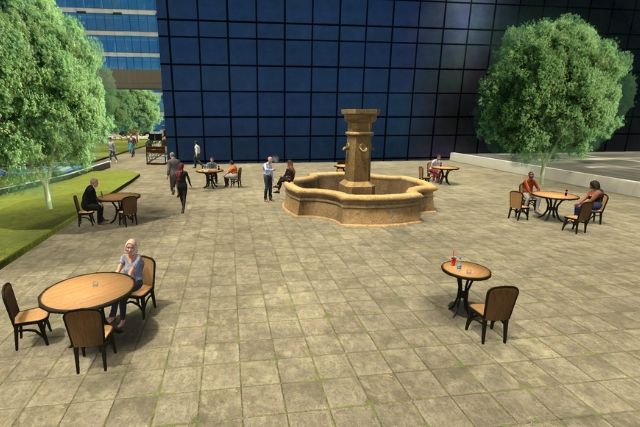
Parks, public squares or areas near bodies of water feel less secure and harder to control, heightening feelings of vulnerability and social exposure. Controlled exposure lets patients gradually confront situations they previously avoided.
Enclosed spaces
Walkways, stairs, heights or elevators often provoke panic attacks as patients fear feeling trapped or unable to escape. Virtual reality allows progressive exposure to these environments without the risk of triggering a real panic attack.
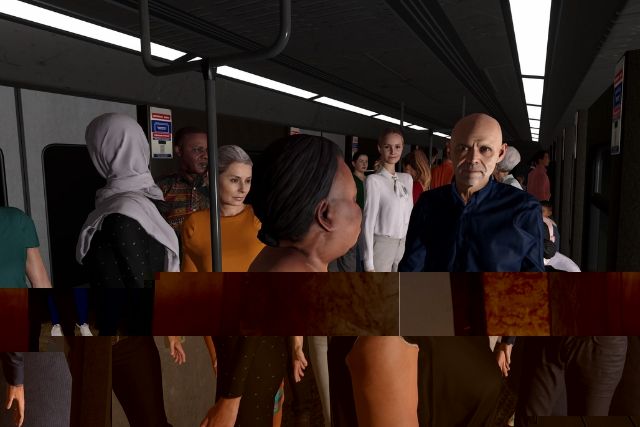
Public transportation
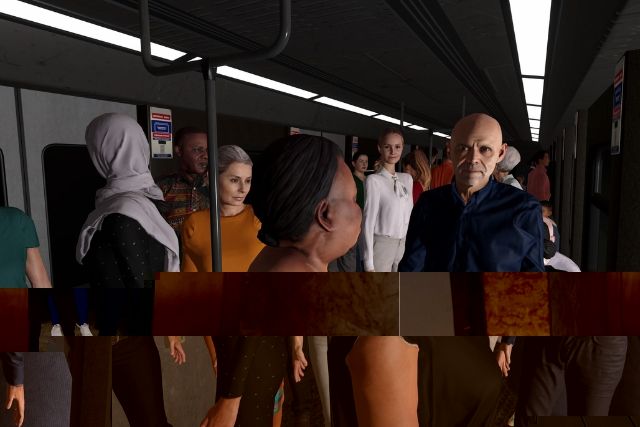
Subways, trains, buses and airplanes are among the most stressful settings, especially with unexpected events such as delays or the behavior of fellow passengers. Repeated exposure in a safe environment helps patients regain the confidence to travel again.
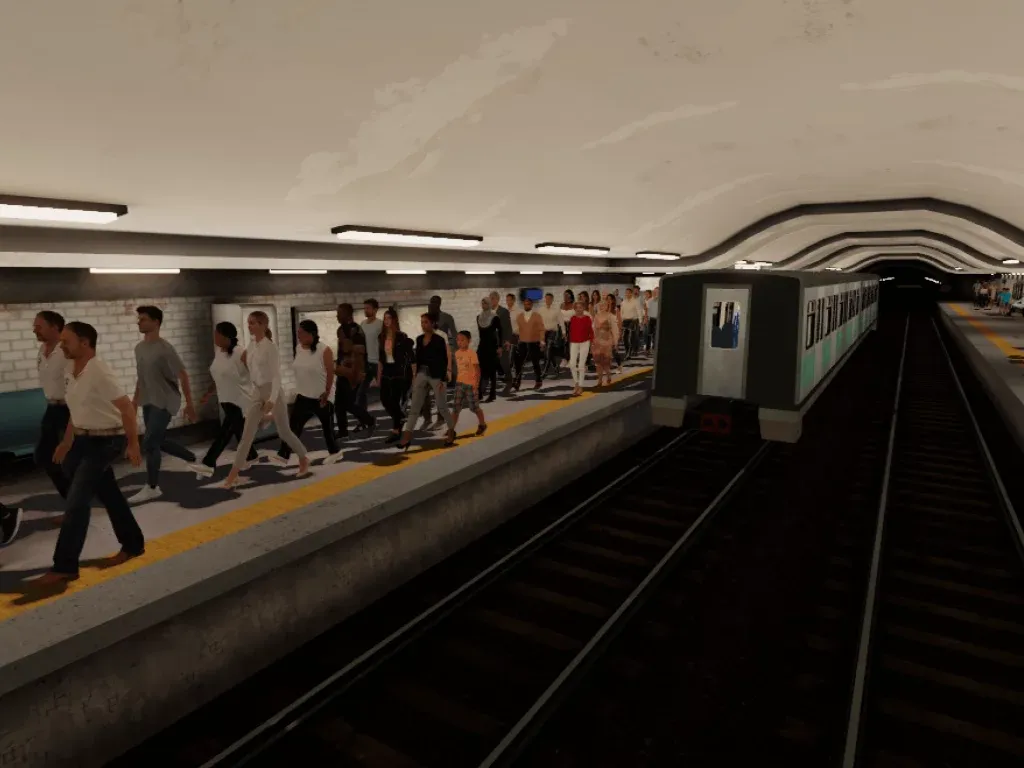
Crowds and public spaces
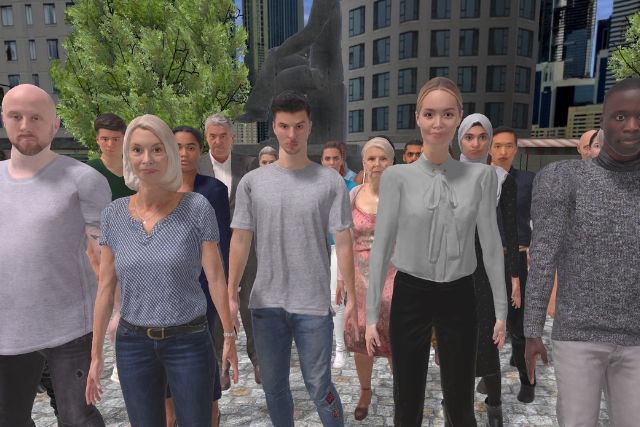
Supermarkets, queues, cinemas, hospitals or airports can trigger significant distress when they require interacting with numerous people. Virtual reality helps patients rebuild their confidence and their ability to overcome obstacles linked to their phobia.
Therapeutic applications
Which other disorders are linked to agoraphobia?
Agoraphobia often overlaps with other anxiety-related conditions that C2Care also addresses in virtual reality.
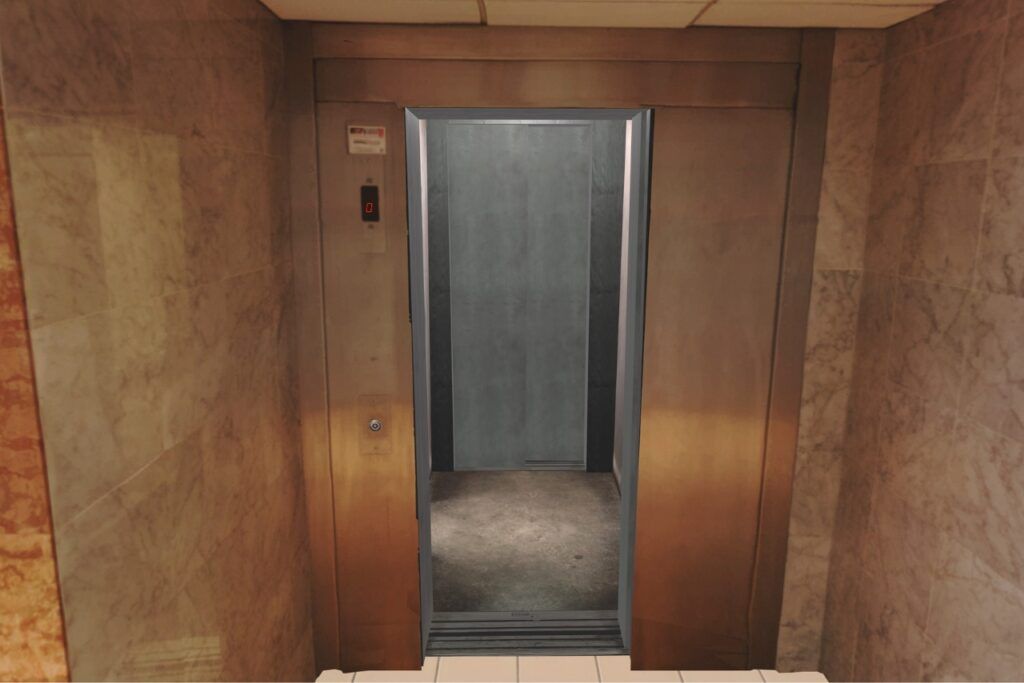
Claustrophobia
Agoraphobic patients often fear enclosed spaces such as elevators, a trigger shared with claustrophobia. C2Care's immersive environments let practitioners work on both fears with the same gradual exposure and personalization tools.
 Learn more
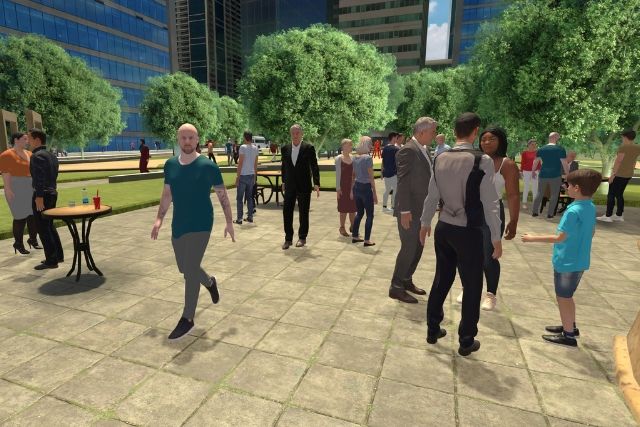
 Social phobia
The anxiety triggered by crowds and social interactions in agoraphobia is closely related to social phobia. C2Care recreates parties, queues or public spaces so practitioners can address both conditions through repeated, controlled exposure.
 Learn more
 Fear of crowds (ochlophobia)
Moving crowds and busy public spaces, such as supermarkets or public transportation, are common triggers for both agoraphobia and ochlophobia. Virtual reality lets practitioners adjust crowd density progressively to desensitize patients.
Success stories
Lives changed thanks to our method
Patients and practitioners share how C2Care's virtual reality approach helped them work on agoraphobia.
Success stories
Why choose C2Care
+350
facilities
equipped
+700
practitioners
trained
+10
years
of expertise
+25
countries
of deployment
FAQ
Frequently asked questions about agoraphobia and virtual reality therapy
Find answers to the questions practitioners and patients most often ask about agoraphobia and C2Care's virtual reality solutions.
What situations can be recreated to treat agoraphobia in virtual reality?
C2Care recreates open spaces, enclosed spaces, public transportation, and crowded public spaces such as supermarkets, queues, or airports. Each environment can be personalized, adjusting crowd density, transport breakdowns, or elevator wall transparency for gradual exposure.
How does virtual reality help reduce agoraphobia symptoms?
The patient is immersed in virtual environments recreating agoraphobia triggers. Through repeated and gradual exposure, catastrophic thoughts are replaced by positive ones, and confidence is progressively rebuilt with the support of artificial intelligence.
Can virtual reality trigger a panic attack during exposure?
Exposure is designed to avoid triggering a panic attack. Difficulty increases progressively, allowing the patient to desensitize step by step while working through anxiety in a controlled, safe environment.
What role does artificial intelligence play during exposure sessions?
Artificial intelligence supports the patient through Camille, an assistant IA offering judgment-free companionship, and through virtual characters that replicate real-life social behaviors in scenarios such as a party, a job interview, or a street conversation.
Can I feel nauseous while using the headset?
This can happen and is called cybersickness, a well-known and reversible phenomenon. Practitioners are advised to start with static environments before introducing slight head movements, then slow movements, so the body adapts gradually.
Which patients can benefit from this type of treatment?
Virtual reality exposure benefits a wide age range, including adults, adolescents, and elderly patients, with documented results for anxiety disorders. However, it is not recommended for people with epilepsy or pregnant individuals.
What happens if my headset stops working?
Technical support is reachable via live chat from your control panel. If the equipment is defective, C2Care provides a return label and replaces it within 48 hours.
Can I feel nauseous while using the headset?
It can happen, it's called cybersickness. It's a well-known, reversible phenomenon that affects part of the population. Starting with static environments and slight head movements helps the body adapt to the sensation of movement in the headset.
Who can use virtual reality for treatment?
Virtual reality is effective across a wide spectrum of populations, from adults to adolescents, with real therapeutic benefits. Among elderly patients, it also supports cognitive stimulation and work on behavioral disorders and anxiety.
What are the benefits for therapists using virtual reality?
- Professional differentiation from traditional treatment options.
- Scientific validation: virtual reality exposure therapy is backed by extensive research.
- Improved patient engagement thanks to its interactive nature.
- Time-saving direct access to a variety of exposure environments without external logistics.
Do I have access to all environments?
Access depends on your license and the modules subscribed to. C2Care's catalog includes over 250 environments, regularly expanded.
Who should I contact in case of software issues?
Our technical support team can be reached via live chat from your control panel. If you experience any issues with your headset, we will work with you to diagnose the problem and, if necessary, replace the defective equipment within 48 hours.
Which patients can benefit from virtual reality exposure therapy?
Virtual reality exposure therapy is effective across a wide age range, with documented benefits for adults, adolescents and elderly patients on anxiety disorders, addictions, eating disorders and behavioral disorders. It is not recommended for people with epilepsy or for pregnant individuals.