
Virtual reality exposure therapy
Helping Patients Overcome Claustrophobia Through Virtual Reality Exposure
Claustrophobia is an intense, irrational fear of enclosed spaces such as elevators, tunnels, or crowded transport. It can trigger panic attacks, palpitations, and an overwhelming urge to escape, restricting patients' daily and professional lives.
As psychiatrist Eric Malbos notes, virtual reality shows around 80% effectiveness, with benefits lasting more than a year after treatment.
- +350
- facilities
- equipped
- +700
- practitioners
- trained
- +10
- years
- of expertise
- +25
- countries
- of deployment
About C2Care and claustrophobia
What is claustrophobia?
Claustrophobia is an intense, irrational fear of enclosed or confined spaces such as elevators, tunnels, small rooms, or crowded public transport. It can cause palpitations, a feeling of suffocation, dizziness, or an overwhelming urge to escape, sometimes triggering panic attacks in real or imagined situations.
People affected often avoid these situations, which can significantly restrict their daily lives and disrupt personal and professional activities.
How it works
A Complete Solution for Treating Claustrophobia
C2Care combines immersive technology, personalized therapeutic content, and AI-driven support to help practitioners treat claustrophobia.

Headset & hardware
The virtual reality headset immerses patients in realistic enclosed environments, such as elevators, small rooms, or narrow hallways, recreating the sensations that trigger claustrophobia.

Therapeutic platform
The C2Care platform lets practitioners select and sequence claustrophobia-related environments, adjusting exposure precisely to each patient's needs.

Personalization
Each environment can be personalized, from elevator wall transparency to crowd density or simulated breakdowns, to expose patients precisely to the situations they find most difficult.

Support
The AI assistant Camille accompanies patients throughout the exposures, offering personalized support without fear of judgment.
How it works
How to Use C2Care for Claustrophobia
- 1
Choose the environment
Select an enclosed environment relevant to the patient's fear, such as an elevator, a tunnel, or crowded public transport.
- 2
Equip the patient
Fit the patient with the virtual reality headset and introduce the chosen enclosed-space scenario.
- 3
Adjust the exposure
Adjust exposure intensity gradually, for example by changing elevator wall transparency, crowd density, or simulating a breakdown, to progressively desensitize the patient.
- 4
Support
Guide the patient through cognitive restructuring, replacing catastrophic thoughts with positive ones, supported by the AI assistant Camille throughout the exposure.

Environments
Environments for Treating Claustrophobia
C2Care recreates the everyday enclosed spaces that trigger claustrophobia so patients can practice exposure in a controlled setting.

Buildings
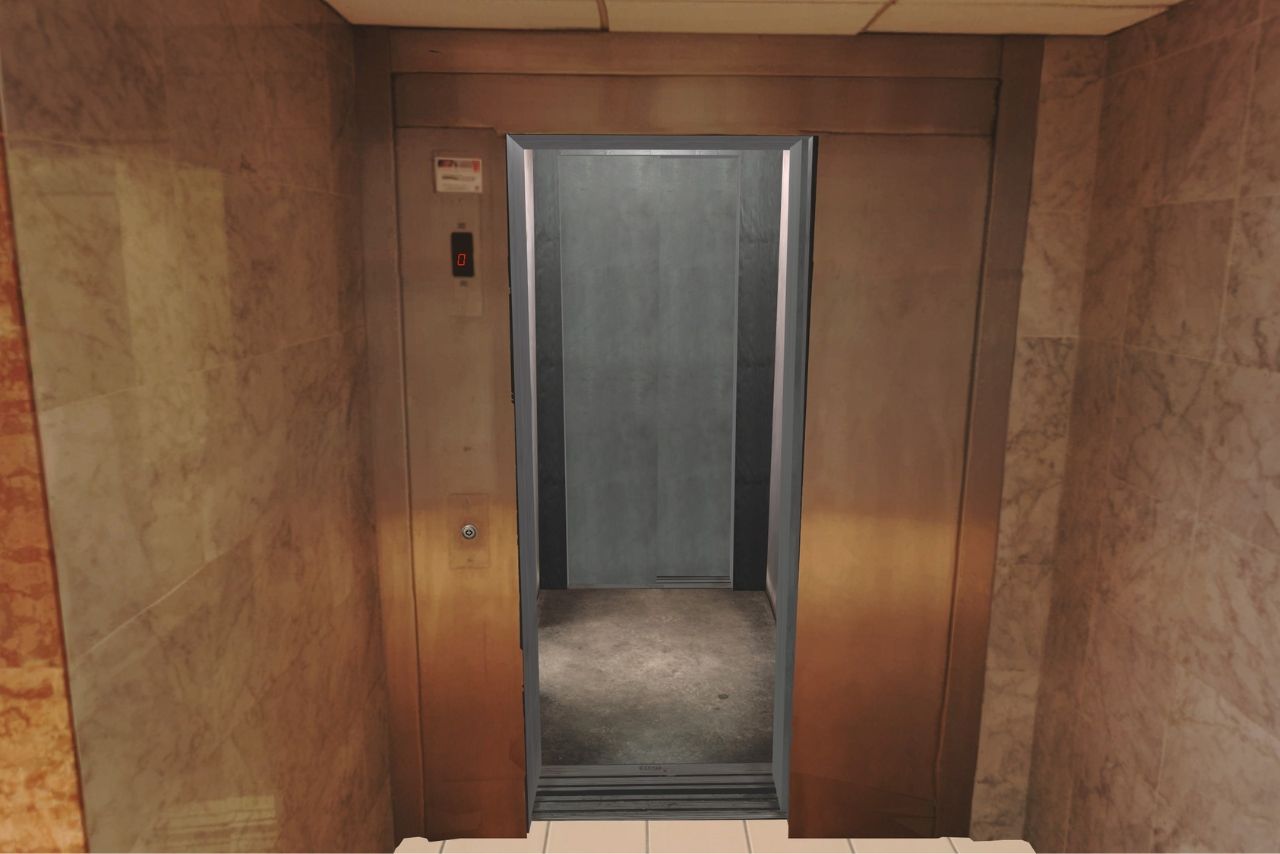
Elevators, small enclosed rooms, and long narrow hallways can trigger panic attacks as patients fear feeling trapped or unable to escape. Environments can be precisely adjusted, including elevator wall transparency, so patients can expose themselves to situations they encounter in daily life.
More details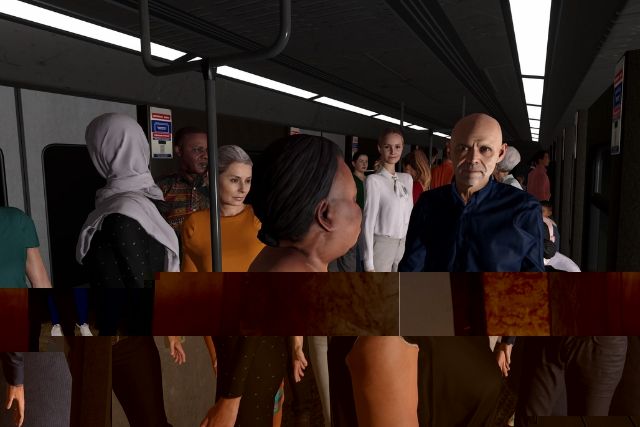
Public Transportation
Subways, trains, buses, and airplanes are among the most triggering environments, often creating a sensation of being trapped and short of breath. Virtual reality lets patients face these scenarios progressively, with crowd density adjustable for gradual exposure.
More details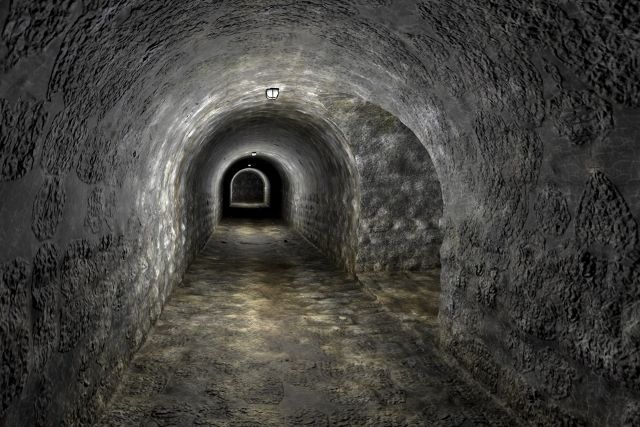
Tunnel
Not seeing the end, the darkness, and the narrow passages contribute to a feeling of oppression, a fear made more restrictive by how often tunnels appear on roads. Patients can pass through tunnels on foot or by car in virtual environments, preparing gradually for real-life exposure.
More details Simulated Breakdowns
A breakdown in a transport vehicle or an elevator can be simulated to amplify the sensation of being unable to escape, letting patients work deeply on their claustrophobia in a controlled setting.
More detailsTherapeutic applications
Which disorders are linked to claustrophobia?
Claustrophobia often overlaps with other anxiety disorders that C2Care also addresses through virtual reality exposure.
Agoraphobia
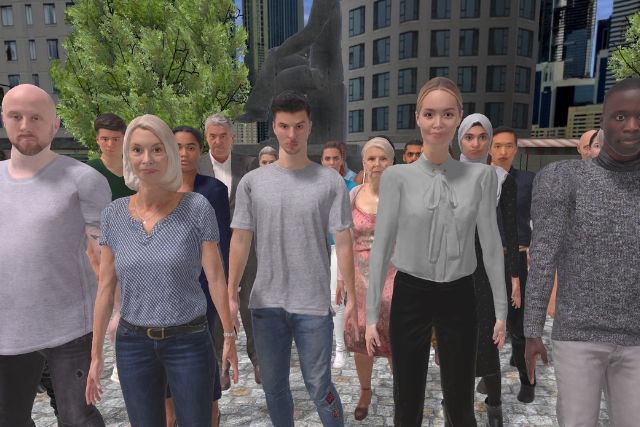
Agoraphobia often overlaps with claustrophobia around crowded or inescapable spaces. C2Care's immersive environments let practitioners expose patients progressively, adjusting crowd density and context.
 Learn more
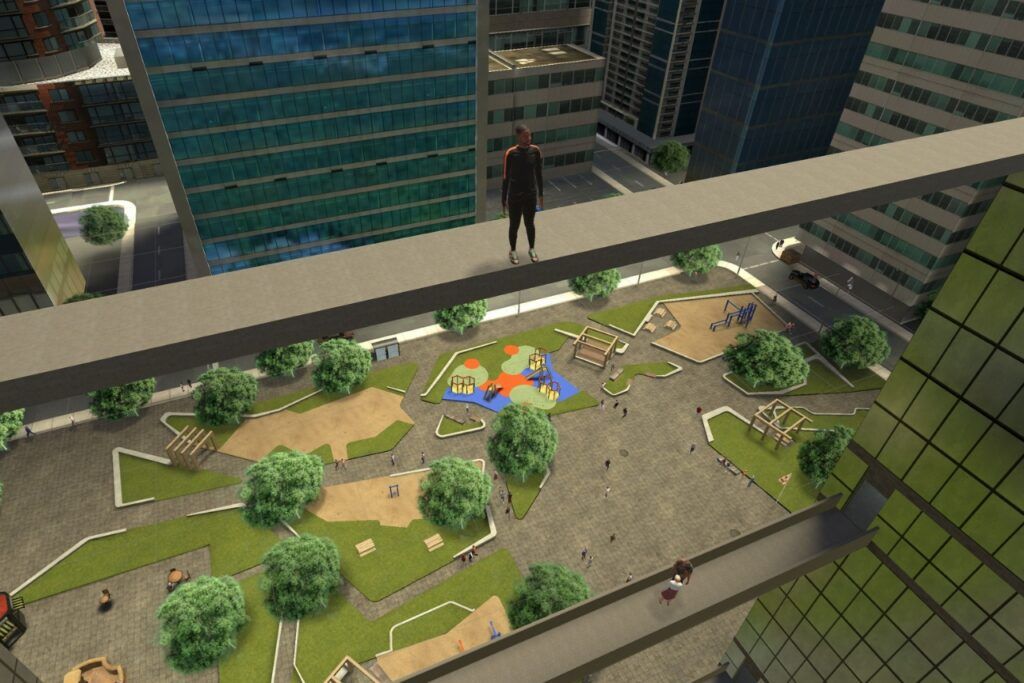
 Acrophobia
Acrophobia, the fear of heights, is frequently associated with claustrophobia. C2Care offers dedicated environments, applying the same graduated exposure approach.
 Learn more
 Fear of the subway
Fear of the subway shares triggers with claustrophobia: enclosed carriages, crowding, and a feeling of being trapped. C2Care reproduces subway environments with adjustable frequentation levels for progressive exposure.
Ochlophobia
Ochlophobia, the fear of crowds, can intensify claustrophobic reactions in packed spaces such as public transport or supermarkets. C2Care lets practitioners adjust crowd density to expose patients at their own pace.

Success stories
What Practitioners and Patients Say
Practitioners and patients share their experience using C2Care to treat claustrophobia.
Success stories
Why Choose C2Care
+350
facilities
equipped
+700
practitioners
trained
+10
years
of expertise
+25
countries
of deployment
FAQ
Frequently Asked Questions About Claustrophobia and Virtual Reality
Find answers to the questions practitioners and patients most often ask about treating claustrophobia with virtual reality exposure.
What is claustrophobia exactly?
Claustrophobia is an intense, irrational fear of enclosed or confined spaces such as elevators, tunnels, or crowded public transport. It can trigger palpitations, a feeling of suffocation, dizziness, or panic attacks, leading patients to avoid these situations.
How does virtual reality help treat claustrophobia?
The patient is immersed in environments recreating anxiety-inducing situations linked to enclosed spaces. Through repeated, gradually intensified exposures, negative thought patterns are replaced by more positive ones, supported by artificial intelligence.
What environments are available for claustrophobia exposure?
Environments include buildings with elevators and narrow hallways, public transportation such as subways, trains, buses and airplanes, and tunnels. Each situation can be adjusted precisely to match what the patient encounters in daily life.
Can the exposure scenarios be customized?
Yes, each environment can be personalized. Practitioners can adjust elevator wall transparency, crowd density in public spaces, or simulate transportation and elevator breakdowns to control the intensity of exposure.
Is virtual reality effective against claustrophobia?
Virtual reality is described as 80% effective, with benefits lasting more than a year after treatment, according to psychiatrist Eric Malbos. This figure should be considered as a general indication rather than a guaranteed clinical result.
What conditions is claustrophobia often associated with?
Claustrophobia is often linked to agoraphobia and acrophobia, other anxiety disorders involving fear of open spaces or heights. Practitioners may address these related phobias using similar exposure-based approaches.
Can virtual reality cause nausea during a session?
This can happen and is called cybersickness, a well-known phenomenon affecting part of the population. It is reversible; starting with static environments and gradually introducing movement helps the body adapt.
How does the AI assistant support patients during exposure?
The assistant IA Camille acts as a trusted companion, allowing patients to share concerns without fear of judgment. Virtual characters within the scenes also replicate real-life social behaviors for everyday contexts.