
Subway phobia
Guiding patients through their fear of the subway with virtual reality
Fear of the subway causes intense anxiety, palpitations or dizziness at the mere thought of using public transportation. Confinement, crowd density, noise and the feeling of having no escape often trigger this fear.
Regular exposure to environments replicating a subway journey helps patients regain confidence and feel comfortable using public transportation again.
- +350
- facilities
- equipped
- +700
- practitioners
- trained
- +10
- years
- of expertise
- +25
- countries
- of deployment
About C2Care and fear of the subway
What is fear of the subway?
Fear of the subway is an intense anxiety linked to using this mode of transport, with physical symptoms such as palpitations or dizziness. It can be triggered by confinement in the cars, crowd density, loud noises, or the feeling of having no way out in case of danger.
This fear can heavily disrupt daily commutes. Graduated exposure to environments replicating a subway journey helps patients regain confidence and use public transportation again.
How it works
A complete solution for treating fear of the subway
C2Care combines immersive environments, a therapeutic platform and personalized support to help patients work through their fear of the subway.

Headset & hardware
The headset immerses the patient in virtual environments that recreate everyday subway situations, from a quiet carriage to a crowded rush-hour train.

Therapeutic platform
The platform gives access to several subway environments (low occupancy, high occupancy, night, broken-down) to build a graduated exposure programme.

Personalization
The difficulty of each subway environment can be increased progressively, allowing the patient to desensitize step by step and regain confidence.

Support
The assistant IA Camille supports the patient throughout the exposures, offering personalized, non-judgmental encouragement.
How it works
How to use C2Care for fear of the subway
- 1
Choose the environment
Choose the subway environment best suited to the patient's stage of treatment: low occupancy, high occupancy, night, or broken-down subway.
- 2
Equip the patient
Equip the patient with the headset to immerse them in the chosen environment, recreating the sounds, crowd and confinement of a real subway journey.
- 3
Adjust the exposure
Gradually increase the difficulty of the environment, from a near-empty carriage to rush hour, so the patient desensitizes at their own pace.
- 4
Support
Rely on the assistant IA Camille to accompany the patient during each exposure and reinforce positive thought patterns.

Environments
The different subway environments
Each environment recreates a specific subway situation, allowing exposure to be adjusted to the patient's progress.

Low occupancy subway
A realistic ambiance with few passengers, limiting stimuli while gradually acclimating the patient to the space. It gently works on fears related to public transportation and prepares for more intense situations.
High occupancy subway
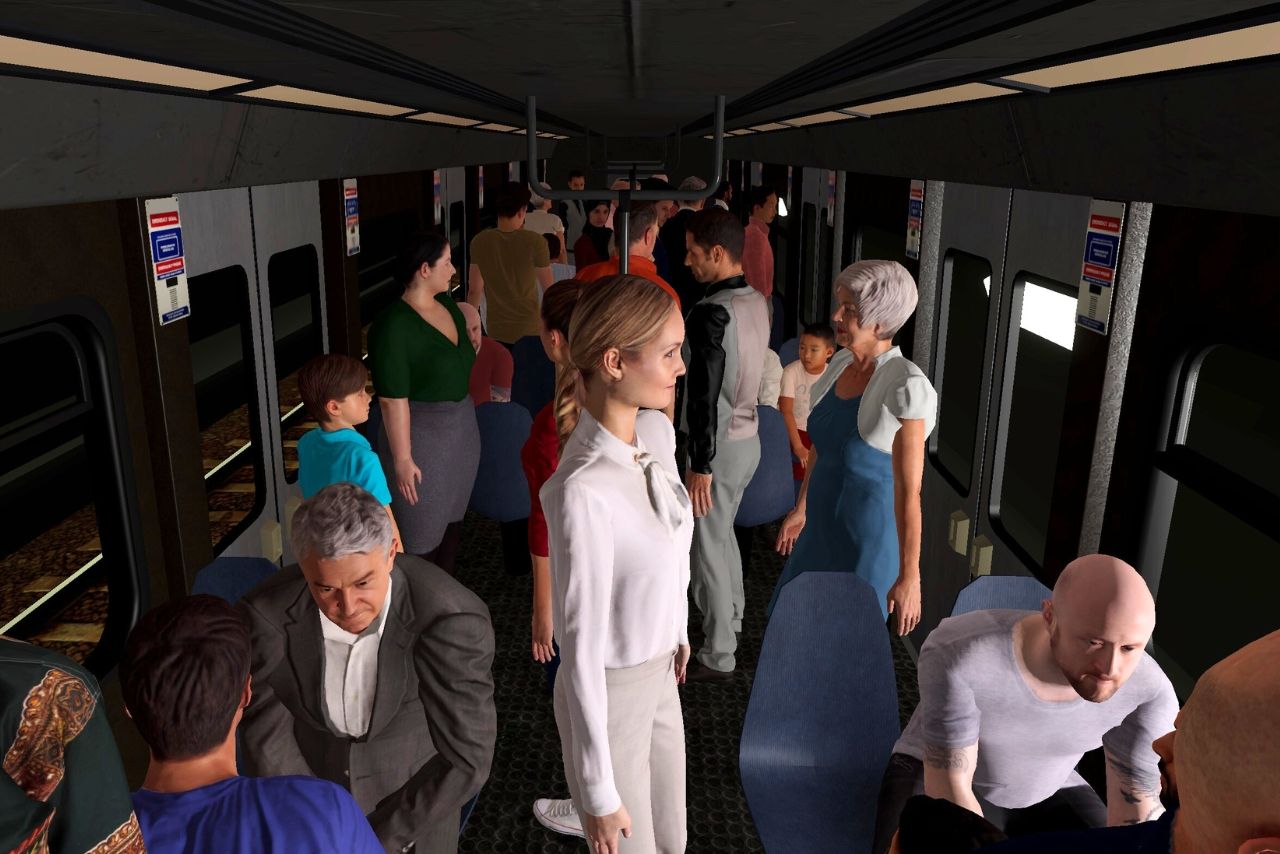
Reproduces the bustling atmosphere of rush hours, with crowd movements and elevated noise levels. It helps patients work on stress management and social interaction in a confined space.
Night subway
Dim lighting and few passengers create an ambiance that is both calm and potentially intimidating. This environment helps patients manage anxiety about the unknown and isolation, preparing for calmer nighttime journeys.
Broken-down subway
Simulates immobilization: prolonged stops, lack of control, waiting in a confined space. This gradual immersion prepares patients to handle unexpected events calmly and confidently.
Therapeutic applications
Which disorders are often associated with fear of the subway?
Fear of the subway is frequently linked to other anxiety disorders that C2Care also addresses through virtual reality exposure.
Agoraphobia
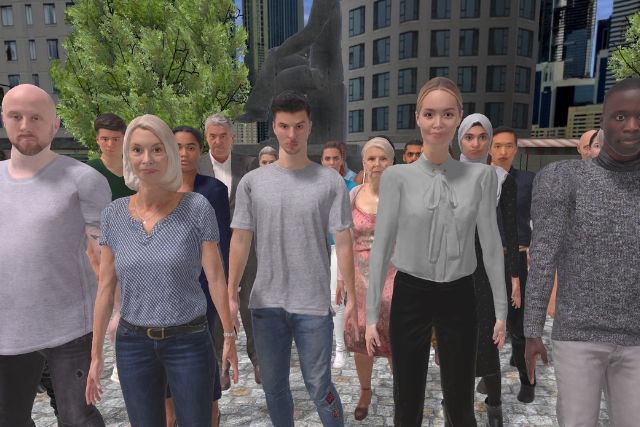
Agoraphobia often overlaps with fear of the subway, particularly the fear of crowded or confined public spaces. C2Care's immersive environments allow graduated exposure to these situations, helping patients build confidence progressively.
 Learn more
 Claustrophobia
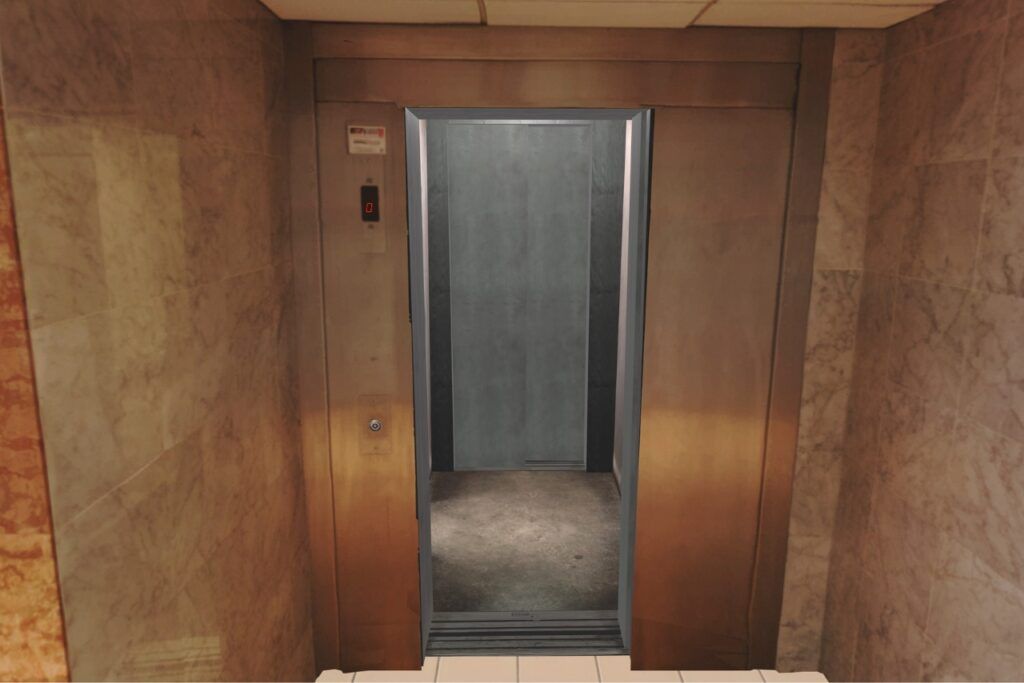
Claustrophobia is closely related to fear of the subway, notably the confinement in cars or during a breakdown. C2Care's environments simulate these confined situations so patients can work on emotional management and regain a sense of control.
 Learn more
Success stories
They overcame their fear of the subway with C2Care
Patients and practitioners share how virtual reality exposure changed their relationship with the subway.
Success stories
Why choose C2Care
+350
facilities
equipped
+700
practitioners
trained
+10
years
of expertise
+25
countries
of deployment
FAQ
Frequently asked questions about fear of the subway and virtual reality
Answers for practitioners considering virtual reality exposure to treat fear of the subway.
What subway environments are available?
Four environments are available: a low-traffic subway, a high-traffic subway, a nighttime subway and a stalled subway. Each recreates a specific situation, from sensory overload to prolonged immobilization, to support gradual exposure.
How does virtual reality exposure work for fear of the subway?
The patient is immersed in virtual environments that reproduce subway situations. The difficulty increases progressively, allowing gradual desensitization and cognitive restructuring of catastrophic thoughts.
What role does artificial intelligence play in these exercises?
The AI assistant Camille provides personalized, non-judgmental support throughout exposure sessions. Virtual characters also reproduce realistic social behaviours within the subway environments.
Can I feel nauseous when using a virtual reality headset?
Yes, this can happen. This phenomenon is known as cybersickness and is reversible. It is recommended to begin with static environments and then gradually introduce movement so that the body can adapt to the sensation of motion.
Is fear of the subway linked to other phobias?
It is often associated with agoraphobia and claustrophobia because of the confinement and crowd density typically found in subway environments. These conditions can be addressed together through gradual exposure.
What therapeutic approach is this treatment based on?
The approach is based on cognitive behavioural therapy (CBT). It aims to challenge limiting thought patterns and rebuild the patient’s confidence in their abilities through safe and controlled exposure.
Who can use virtual reality to treat this fear?
Equipped practitioners, such as psychologists and psychiatrists, can use it in university hospitals, clinics, hospitals or private practice. The practitioner can precisely control the environment and stimuli according to the patient’s needs.
What should I do if there is a technical problem with the headset?
Technical support can be reached via live chat from the control panel. If the equipment is faulty, a replacement can be arranged within 48 hours after the issue has been diagnosed.
Who can use virtual reality for treatment?
Practitioners such as psychologists and psychiatrists can use virtual reality with a wide range of patients. It can be particularly useful for adolescents by increasing therapeutic engagement, and for older adults for cognitive stimulation, behavioural difficulties and anxiety.
What are the benefits for therapists using virtual reality?
Virtual reality helps therapists differentiate their practice and is supported by extensive research. It can improve patient engagement and save time by providing direct access to exposure environments without requiring external logistics.
Who should I contact in case of software issues?
The technical support team can be reached via live chat from the control panel. If there is a problem with the headset, the team can help diagnose it and, if necessary, provide a return label and replace the defective equipment within 48 hours.
Which patients can benefit from exposure therapy for fear of the subway?
Virtual reality exposure can be used across a broad age range. Research indicates therapeutic benefits for adults, adolescents and older adults with anxiety disorders such as fear of the subway.