
Acrophobia and virtual reality
Guiding patients through acrophobia with virtual reality exposure
Acrophobia, or fear of heights, is an excessive, irrational fear that can disrupt social, professional, and daily life, even when no real danger is present. Virtual reality exposure therapy helps patients confront these situations gradually and regain a sense of calm.
According to Dr Eric Malbos, psychiatrist, virtual reality can be around 80% effective, with benefits lasting more than a year after treatment.
- +350
- facilities
- equipped
- +700
- practitioners
- trained
- +10
- years
- of expertise
- +25
- countries
- of deployment
About C2Care and acrophobia
What is acrophobia?
Acrophobia, or fear of heights, is an excessive and irrational fear triggered by elevated or high places. This specific situational phobia can disrupt social, professional, and daily life, causing panic even when no real danger is present.
Virtual reality exposure therapy helps patients confront these situations gradually, in a controlled setting, to regain a sense of calm.
How it works
A complete solution for acrophobia treatment
C2Care combines immersive technology and clinical support to help practitioners treat acrophobia.

Headset & hardware
The virtual reality headset immerses patients in high-altitude environments designed to trigger, then gradually reduce, the anxiety linked to acrophobia.

Therapeutic platform
The platform gives practitioners access to progressive environments such as buildings, cliffs, and bridges. Repeated exposures help patients build lasting, adaptive response patterns as difficulty gradually increases.

Personalization
Each scene can be personalized by height, walkway appearance, or vehicle speed, so exposure matches the patient's pace. Artificial intelligence also provides personalized encouragement throughout the exposures.

Support
The AI assistant Camille supports patients without judgment throughout the exposures, alongside the practitioner's guidance.
How it works
How to use C2Care for acrophobia
- 1
Choose the environment
Select from height-related scenarios such as buildings, cliffs, or bridges, matching the situations that trigger the patient's anxiety.
- 2
Equip the patient
Fit the patient with the virtual reality headset so they can enter the chosen environment safely, from the office or the hospital.
- 3
Adjust the exposure
Adjust the height, walkway appearance, or vehicle speed to progressively increase difficulty and support desensitization.
- 4
Support
Use the AI assistant Camille and the practitioner's guidance to support the patient throughout each exposure.

Environments
Situations linked to fear of heights
C2Care recreates the main situations that trigger acrophobia, so exposure can be adjusted to each patient.

Buildings
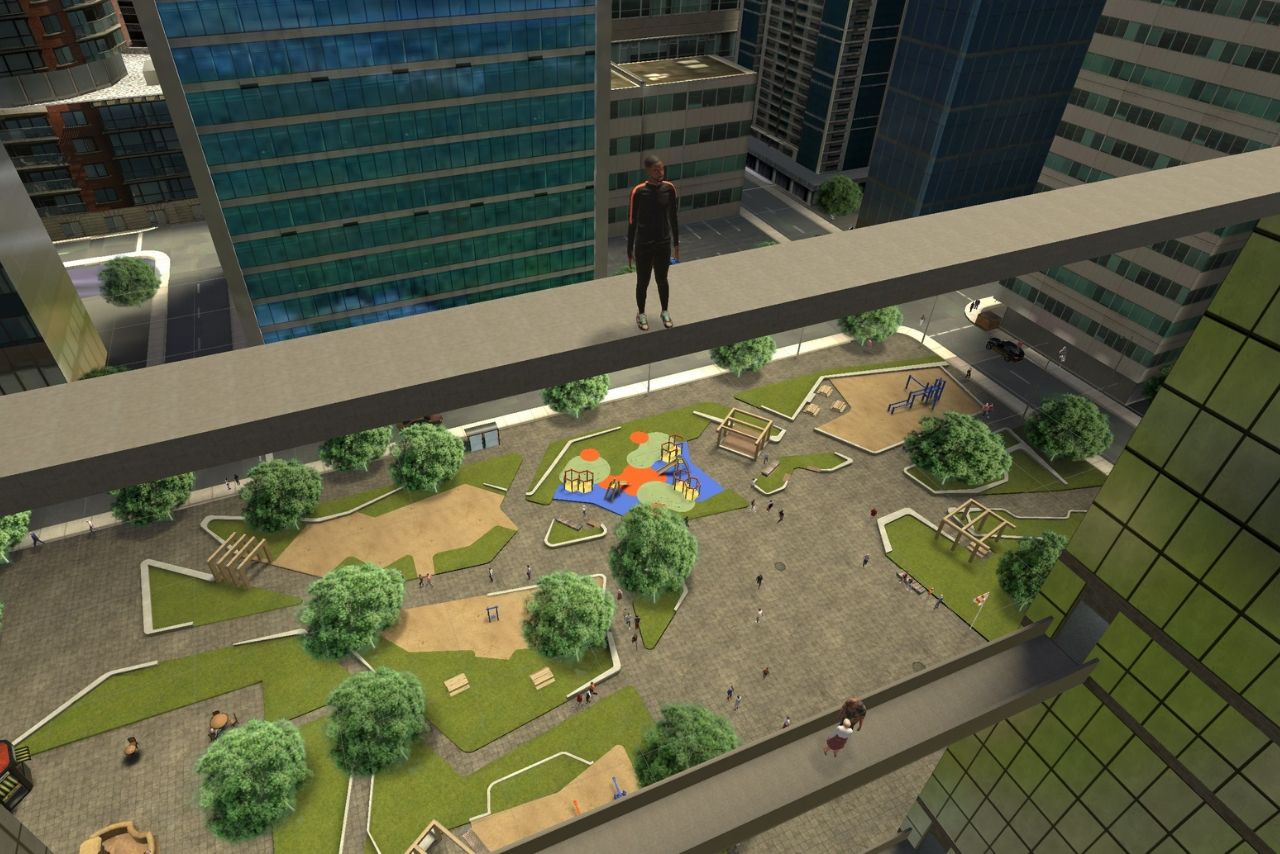
Walkways, stairs, glass floors, and glass elevators can all trigger anxiety in patients with acrophobia. Crossing a narrow passageway while meeting others adds to the fear of falling into the void. Every condition can be adjusted for progressive, safe exposure.
Cliff
Hiking and outdoor activities can be daunting for patients with acrophobia, especially without safety railings or in unstable, windy conditions. C2Care recreates these natural scenarios in a controlled and safe setting.
Bridges
Standing on a bridge above a highway, with vehicles and noise below, can trigger rising anxiety or even freeze a patient with fear. Virtual reality recreates realistic, progressive bridge scenarios to rebuild confidence.
Therapeutic applications
Which disorders are related to acrophobia?
Acrophobia is often linked to other anxiety-related conditions treated by C2Care.
Amaxophobia
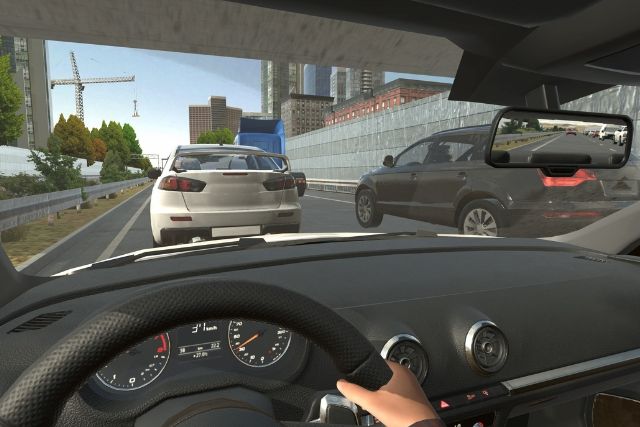
Fear of driving is often associated with acrophobia, notably when crossing bridges or elevated roads. C2Care's environments allow practitioners to progressively expose patients to these driving situations, adjusting speed and traffic conditions.
 Learn more
 Generalized anxiety disorder
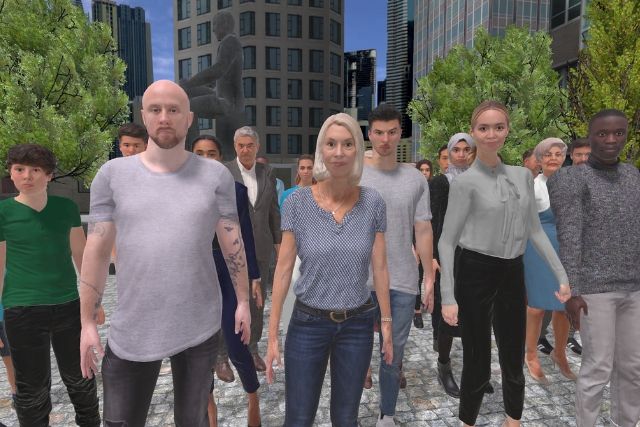
Acrophobia is frequently associated with broader anxiety symptoms. C2Care's immersive environments allow graduated exposure to anxiety-provoking heights, helping patients rebuild confidence and reduce catastrophic thoughts.
 Learn more
Success stories
They overcame acrophobia with C2Care
Patients and practitioners share their experience with virtual reality exposure for fear of heights.
Success stories
Why choose C2Care for acrophobia treatment
+350
facilities
equipped
+700
practitioners
trained
+10
years
of expertise
+25
countries
of deployment
FAQ
Frequently asked questions about acrophobia and virtual reality
Answers to the questions practitioners and patients most often ask about virtual reality exposure for acrophobia.
What environments are used to treat acrophobia in virtual reality?
C2Care offers immersive environments recreating high-altitude situations: buildings with walkways and glass floors, cliffs, and bridges. Each environment can be personalized (height, walkway surface, vehicle speed) to allow gradual and safe exposure tailored to the patient's pace.
How does artificial intelligence help during exposure sessions?
Artificial intelligence personalizes and encourages the patient throughout exposures. It also powers virtual characters, allowing conversations within scenes for a deeper sense of immersion during acrophobia treatment.
Why is virtual reality effective for fear of heights?
Immersion in high-altitude environments triggers the same anxiety as real situations, allowing cognitive restructuring: replacing catastrophic thoughts with reassuring ones. Repeated and progressive exposures then help the patient regain confidence in their abilities.
Is virtual reality more effective than traditional therapy for acrophobia?
According to Dr Eric Malbos, psychiatrist, virtual reality can be more effective than traditional CBT and can be practiced in the office or in hospital. Patients also tend to show better motivation for this therapy than for traditional approaches.
Can I feel nauseous while using the headset?
This is called cybersickness, a well-known and reversible phenomenon affecting part of the population. To adapt, it's recommended to start with static environments, then progress to slight head movements before moving on to slow movements.
Can virtual reality therapy for acrophobia be dangerous?
Virtual reality exposure is designed to be safe and controlled: the intensity of stimuli is gradually adjusted to the patient. The main risk documented is cybersickness, which is temporary and manageable.
Which patients can use virtual reality for acrophobia?
Virtual reality is effective across a wide age range, including adults, adolescents, and elderly patients, with real therapeutic benefits documented in the literature. However, it is not recommended for people with epilepsy or pregnant individuals.
Can I feel nauseous while using the headset?
It can happen, and it is called cybersickness, a phenomenon well known to researchers that affects part of the population. It is reversible: starting with static environments and slight head movements before progressing to slower movements helps the body adapt.
Who can use virtual reality for treatment?
Virtual reality can be used across a wide age range, including adults, adolescents, and elderly patients, with real therapeutic benefits documented in the literature. It is not recommended for people with epilepsy or pregnant individuals.
What are the benefits for therapists using virtual reality?
- Professional differentiation: integrating virtual reality sets a practice apart from traditional treatment options.
- Scientific validation: virtual reality exposure therapy is backed by extensive research.
- Improved patient engagement: the interactive nature of virtual reality fosters greater involvement in therapy.
- Time-saving: practitioners access various exposure environments without external logistics.
Do I have access to all environments?
Access depends on the subscription plan chosen. C2Care's catalog includes 250+ scenes covering a wide range of phobias and situations.
Who should I contact in case of software issues?
C2Care's technical support team can be reached via live chat from your control panel. If your headset has an issue, the team will help diagnose it and, if necessary, provide a return label and replace the defective equipment within 48 hours.
Which patients can benefit from virtual reality exposure therapy?
Virtual reality exposure therapy shows excellent feasibility and significant results in adults, notably for anxiety disorders including school phobia, autism, addictions, eating disorders, neuropsychological disorders, psychotic disorders, and mood disorders. Adolescents show similar results, with virtual reality also increasing their interest in therapy. Among elderly patients, it supports cognitive stimulation, behavioral disorders, and anxiety. It is not recommended for people with epilepsy or pregnant individuals.
How do I cancel my subscription?
You can request the cancellation of your subscription by contacting C2Care's support team via live chat from your control panel.