
Fear of driving
Amaxophobia: Restoring Confidence Behind the Wheel
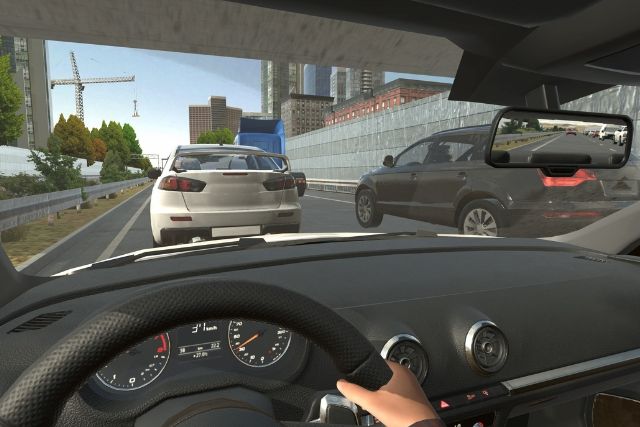
Amaxophobia causes intense anxiety at the wheel, on certain roads, all roads, or even as a passenger. It affects nearly 5% of adults, particularly those aged 20 to 40, with women more often affected. Structured treatment helps patients regain autonomy and confidence in driving.
- +350
- facilities
- equipped
- +700
- practitioners
- trained
- +10
- years
- of expertise
- +25
- countries
- of deployment
About C2Care and amaxophobia
What Is Amaxophobia?
Amaxophobia is an excessive, irrational fear of driving or of having a car accident, classified among specific situational phobias. It causes intense anxiety behind the wheel, whether on certain roads, all roads, or even as a passenger. The disorder affects nearly 5% of adults, particularly those aged 20 to 40, and predominantly women.
How it works
A Complete Solution to Treat Amaxophobia
C2Drive combines dedicated hardware, an immersive therapeutic platform, and AI-driven personalization to support practitioners treating amaxophobia.

Headset & hardware
C2Drive pairs a virtual reality headset with a steering wheel and pedals, letting the patient reproduce real driving conditions in your practice.

Therapeutic platform
The platform includes highway, tunnel, city, bridge, and mountain scenarios to reproduce the driving situations your patients fear most.

Personalization
Traffic density, weather, time of day, obstacles, and vehicle types can all be adjusted to match each patient's specific triggers.

Support
Camille, C2Care's AI assistant, supports the patient throughout each exposure, offering encouragement without fear of judgment.
How it works
How to Use C2Drive With Your Patients
- 1
Choose the environment
Select a driving scenario, highway, tunnel, city, bridge, or mountain road, based on the situations that trigger your patient's anxiety.
- 2
Equip the patient
Fit the patient with the virtual reality headset, steering wheel, and pedals so they are immersed in realistic driving conditions.
- 3
Adjust the exposure
Progressively increase difficulty through graduated exposure, adjusting traffic density, weather, or time of day to help the patient regain confidence.
- 4
Support
Camille supports the patient throughout the exposure, reinforcing positive thought patterns and encouraging progress session after session.
Environments
Driving Situations Reproduced in Virtual Reality
C2Drive recreates the road environments most often associated with amaxophobia, with adjustable difficulty for each patient.

Highway
Traffic density, nighttime conditions, and weather can all be adjusted to gradually increase difficulty, helping patients regain smooth and calm highway driving.
More details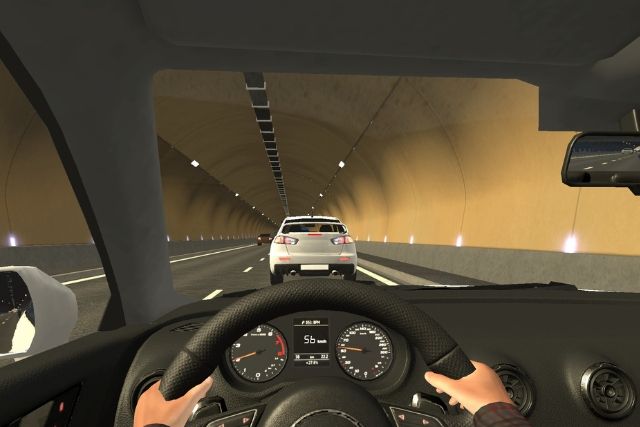
Tunnel
Short, long, large, or small tunnels, with or without traffic, and even at night, let patients work on their fear of driving in an enclosed space where escape seems impossible.
More details City
Traffic lights, pedestrians, right-of-way crossings, and heavy traffic recreate the sensory overload of urban driving, helping patients overcome their fear of driving in the city.
More details Bridge
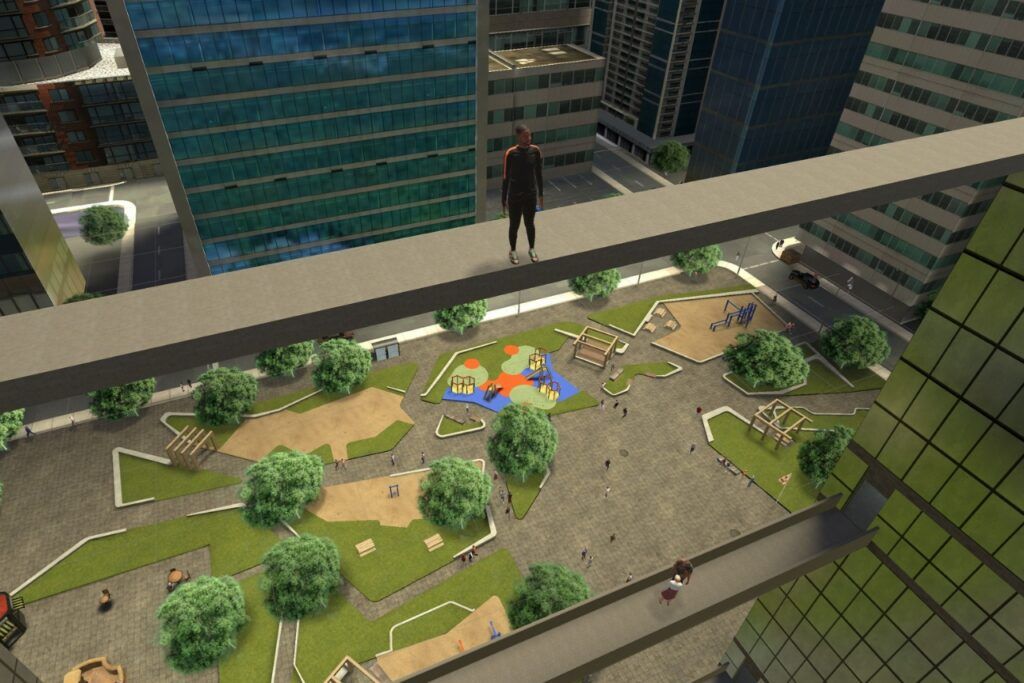
Short, long, single or dual-lane bridges, combined with different weather conditions, let patients confront the fear of heights and the sight of the void associated with bridge crossings.
More detailsTherapeutic applications
Disorders Often Linked to Amaxophobia
Amaxophobia frequently overlaps with other anxiety-related conditions treated by C2Care.
Acrophobia
Fear of heights often intensifies driving anxiety on bridges or mountain roads, where the sight of the void can trigger significant distress. C2Care's graduated exposure to bridge and mountain environments helps patients confront this fear progressively.
 Learn more
 Generalized Anxiety Disorder
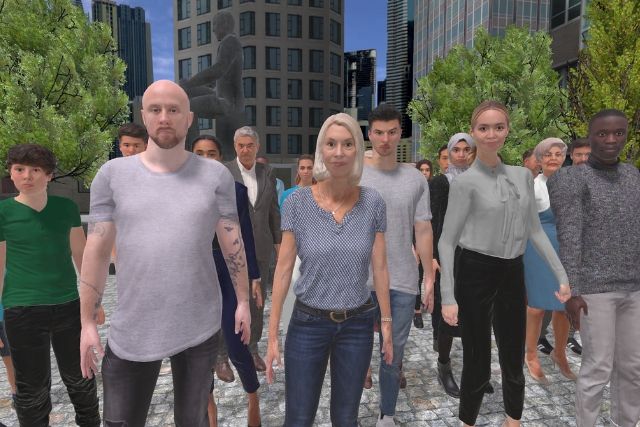
Anxiety disorders often coexist with amaxophobia, amplifying the distress felt behind the wheel. C2Care's immersive environments and AI-driven support help patients build coping strategies that extend beyond driving situations.
 Learn more
 Claustrophobia
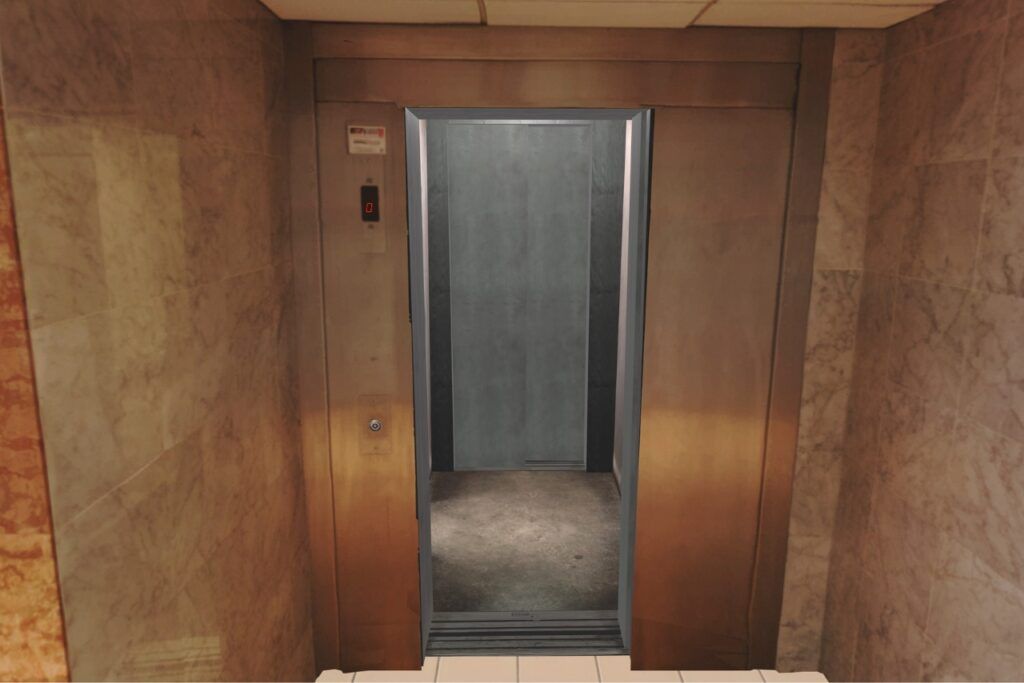
The fear of enclosed spaces, where escape feels impossible, can heighten anxiety when driving through tunnels. C2Care recreates various tunnel configurations so patients can gradually reduce this specific fear.
 Learn more
Success stories
Patients and Practitioners Share Their Experience
Psychologists, psychiatrists, and patients describe their experience treating amaxophobia with C2Care.
Success stories
Why Choose C2Care?
+350
facilities
equipped
+700
practitioners
trained
+10
years
of expertise
+25
countries
of deployment
FAQ
Frequently Asked Questions About Amaxophobia and Virtual Reality
Answers for practitioners and patients considering virtual reality exposure therapy for the fear of driving.
Who is affected by amaxophobia?
Amaxophobia affects nearly 5% of adults, particularly those aged 20 to 40. Women are more affected than men. The fear can occur behind the wheel or as a passenger, and treatment helps patients regain autonomy and confidence.
What driving situations can be recreated in virtual reality?
C2Care's environments reproduce highway, tunnel, city, bridge, and mountain driving. Each scenario targets a specific anxiety trigger, from enclosed spaces to heights, so the practitioner can adapt exposure to the patient's fear.
Can I customize the vehicles and weather in the exposure scenarios?
Yes. Practitioners can adjust vehicle type (cars, vans, trucks, buses, motorcycles), add obstacles such as accidents or construction zones, and change weather conditions like rain, fog, or night driving to match each patient's specific anxiety.
What role does the assistant IA Camille play during treatment?
Camille acts as a trusted companion, supporting the patient throughout the exposure without judgment. Virtual characters within the scenes also replicate real-life social behaviors, such as pedestrians or other drivers, to reinforce the sense of presence.
How does exposure therapy reduce the fear of driving?
Treatment combines immersion in anxiety-inducing environments, cognitive restructuring to replace catastrophic thoughts, repeated exposures, and a gradual increase in difficulty. This progressive approach, personalized with artificial intelligence, helps the patient regain confidence behind the wheel.
Can amaxophobia treatment address fear of tunnels and bridges specifically?
Yes. The tunnel environment lets the patient face configurations from short to long, with or without traffic, to work on the fear of enclosed spaces. The bridge environment recreates different crossing lengths and weather conditions to reduce fear linked to heights.
What pathologies can be treated in virtual reality?
C2Care's virtual reality environments are used to treat anxiety disorders, phobias such as amaxophobia, addictions, and cognitive disorders, always under a practitioner's supervision.
Can I feel nauseous while using the headset?
It can happen, and it's called cybersickness, a phenomenon well known to scientists that affects a portion of the population. It is reversible: starting with fairly static environments, then slight head movements, and gradually moving on to slower movements helps the body adapt.
Who can use virtual reality for treatment?
Virtual reality exposure therapy is delivered by trained practitioners such as psychologists and psychiatrists, in liberal practice as well as in hospitals, clinics, and CHUs.
Which patients can benefit from virtual reality exposure therapy?
Virtual reality exposure therapy shows real therapeutic benefits across a wide age range. In adolescents, it increases therapeutic engagement, and in elderly patients, it supports cognitive stimulation and helps manage behavioral disorders and anxiety. It is not recommended for people with epilepsy or for pregnant individuals.
What are the benefits for therapists using virtual reality?
- Professional differentiation: integrating virtual reality sets a practice apart from traditional treatment options.
- Scientific validation: virtual reality exposure therapy is backed by extensive research.
- Improved patient engagement: the interactive nature of virtual reality fosters greater involvement in therapy.
- Time-saving: practitioners gain direct access to a range of exposure environments without external logistics.
Do I have access to all environments?
Access depends on the subscription and equipment chosen. Contact C2Care to determine which driving environments are included in your plan.
Who should I contact in case of software issues?
C2Care's technical support team can be reached via live chat from your control panel. If an issue affects your headset, the team will help diagnose the problem and, if necessary, provide a return label and replace the defective equipment within 48 hours.
How do I cancel my subscription?
Contact C2Care's support team to manage or cancel your subscription.