
Anxiety disorders
Guiding patients through anxiety with virtual reality exposure
Anxiety is a feeling of fear or worry that can become overwhelming and disrupt daily life, through persistent thoughts, physical tension, or constant alertness. Through immersive, personalized exposures and relaxation techniques, patients can work at their own pace on managing anxiety and its impact on their social life.
- +350
- facilities
- equipped
- +700
- practitioners
- trained
- +10
- years
- of expertise
- +25
- countries
- of deployment
About C2Care and anxiety disorders
What is an anxiety disorder?
Anxiety is a feeling of fear or worry that becomes excessive and disrupts daily life. It can appear as persistent thoughts, physical tension, or a constant state of alertness, and may take the form of generalized anxiety disorder or related conditions. Left unmanaged, it can impair emotional regulation, strain relationships, and complicate simple tasks. Exposure-based therapy in virtual reality helps patients confront anxiety-inducing situations at their own pace.
How it works
A complete solution to treat anxiety disorders
C2Care combines virtual reality equipment, a therapeutic platform, and personalized support to help practitioners treat anxiety disorders.

Headset & hardware
Patients are immersed, using a dedicated headset, in realistic virtual environments that reproduce the everyday situations triggering their anxiety.

Therapeutic platform
The practitioner's platform gives access to a catalog of environments designed to support cognitive restructuring through repeated, controlled exposures.

Personalization
Exposure difficulty is gradually increased and adapted to each patient, allowing progressive desensitization and rebuilding confidence.

Support
Throughout the exposures, the assistant IA Camille supports patients without judgment, reinforcing engagement and progress.
How it works
How does virtual reality exposure work for anxiety disorders?
- 1
Choose the environment
The practitioner selects a virtual environment that reproduces the everyday situations triggering the patient's anxiety.
- 2
Equip the patient
The patient puts on the headset and is immersed in the chosen environment under the practitioner's supervision.
- 3
Adjust the exposure
The difficulty of the environment is gradually increased, allowing the patient to progressively desensitize to anxiety-provoking situations.
- 4
Support
The assistant IA Camille and the practitioner support the patient throughout the exposures, encouraging positive thought patterns.

Environments
Anxiety-inducing environments
C2Care's virtual environments reproduce the everyday situations that trigger anxiety, so patients can work on them progressively.

Public speaking
Amphitheatre and conference room environments recreate the pressure of speaking in front of an audience, a common trigger of social anxiety.
More details
Crowded places
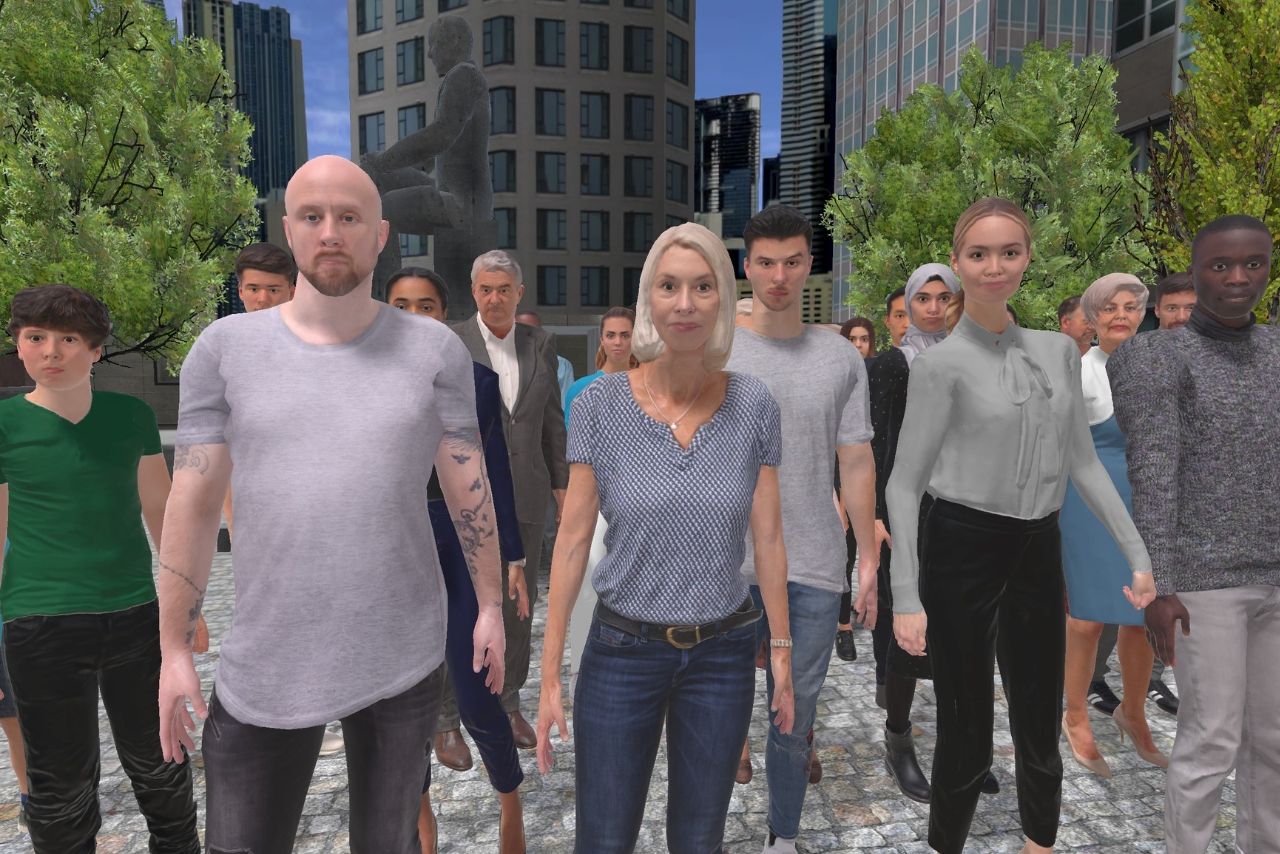
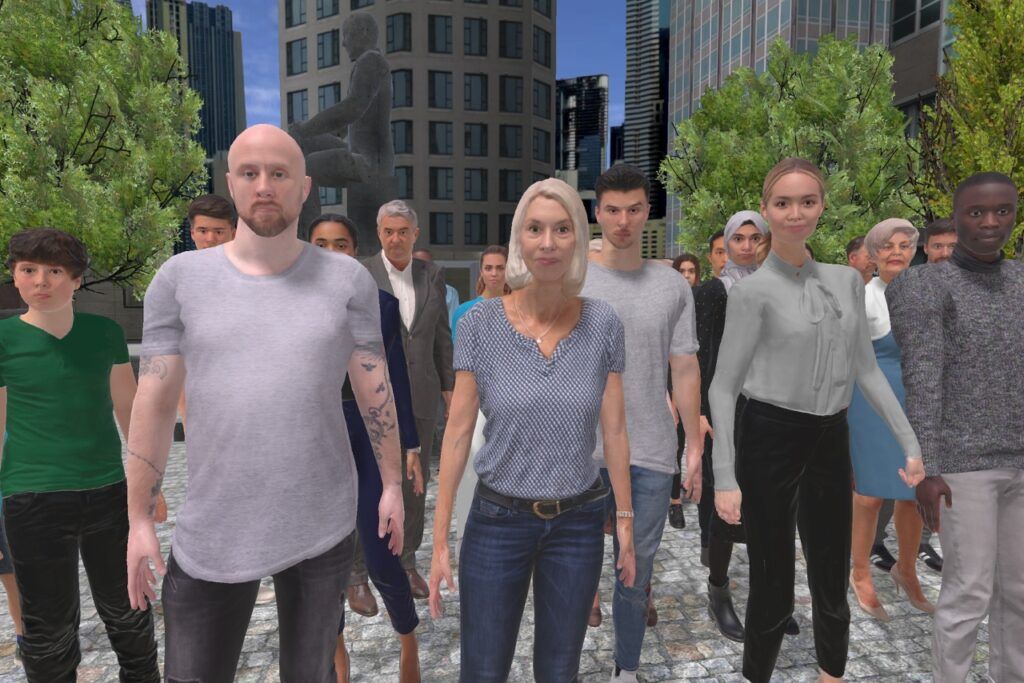
Outdoor crowds, moving crowds, or busy public places reproduce the overstimulation that can trigger anxiety.
More details Job interview
The job interview environment lets patients rehearse a common source of performance anxiety in a controlled setting.
More details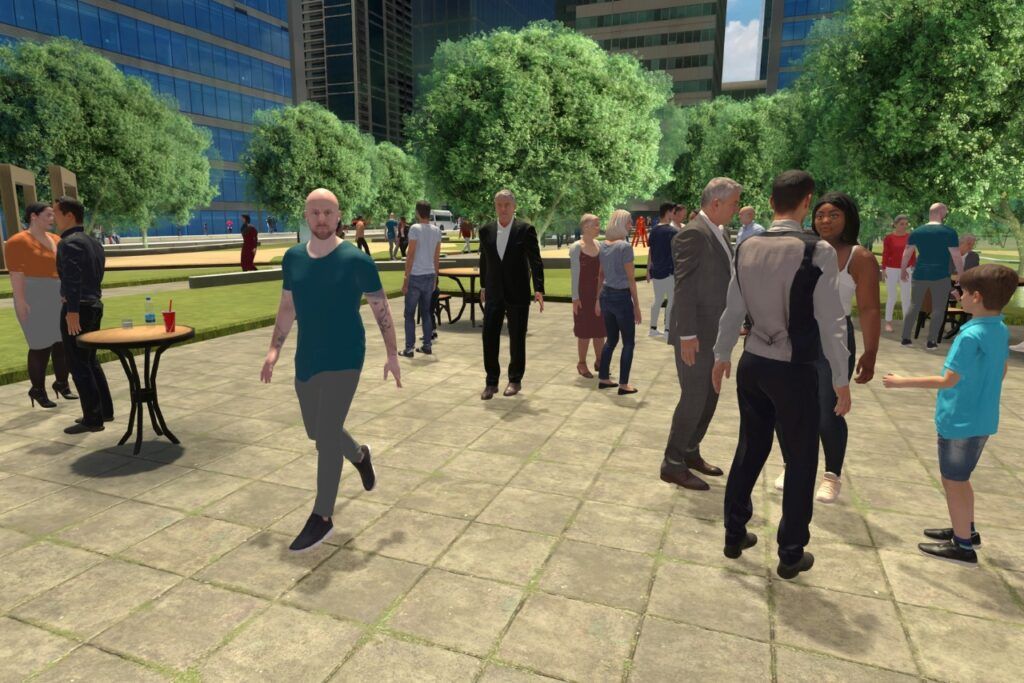
Social situations
An apartment party environment reproduces everyday social interactions, such as meeting new people, that can be anxiety-inducing.
More detailsTherapeutic applications
Which disorders are linked to anxiety?
Anxiety can take several clinical forms, all of which can be addressed with virtual reality exposure therapy.
Generalized anxiety disorder
Generalized anxiety disorder involves excessive, constant worry, intrusive thoughts, and physical symptoms such as muscle tension or insomnia. Through tailored scenarios, patients learn to manage their emotions and progressively regain a more balanced daily life.
 Learn more
 Depression
Anxiety can worsen the persistent sadness, loss of interest, and fatigue that characterize depression. Personalized exercises help patients gradually expose themselves to daily situations and rebuild self-confidence.

Attention deficit hyperactivity disorder
ADHD can be accompanied by anxiety linked to difficulties with focus and impulsivity at school, at work, or in social life. Tailored approaches help structure routines and improve social interactions.
Social phobia
Social phobia generates intense anxiety in situations such as parties, job interviews, or public speaking. Virtual reality lets patients practice these interactions gradually, in a controlled and reproducible environment.
 Learn more
 Addictions
Anxiety and craving are closely linked in addictive behaviors. Exposure to relevant virtual environments helps patients work on managing triggers under the practitioner's supervision.
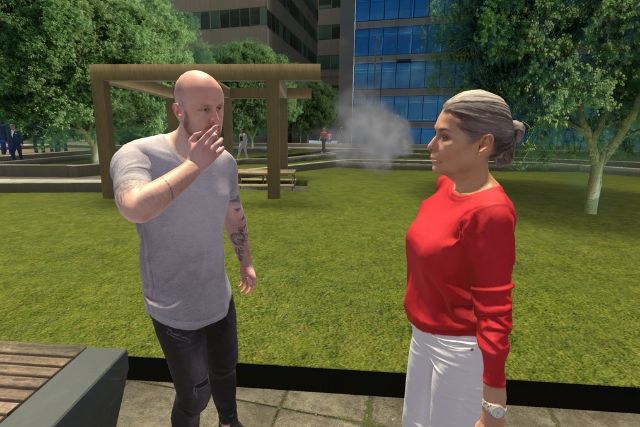 Learn more
 Specific phobias
Specific phobias cause intense anxiety when facing a particular object or situation. Graduated exposure to the corresponding virtual environment helps patients desensitize progressively.
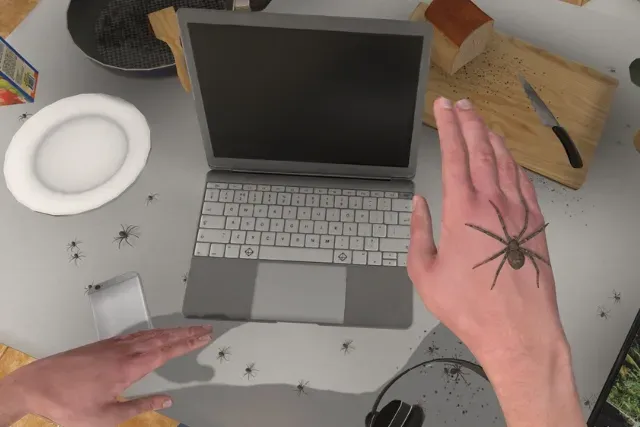 Learn more
 Post-traumatic stress disorder
Post-traumatic stress disorder triggers anxiety linked to trauma reminders. Controlled, gradual exposure in virtual reality supports patients in confronting these situations safely.
 Learn more
 Obsessive-compulsive disorder
Obsessive-compulsive disorder is driven by anxiety-fuelled compulsions. Virtual reality exposure helps patients confront triggering situations while working on reducing compulsive responses.

Success stories
They share their experience with C2Care
Patients and practitioners describe how virtual reality exposure has helped them manage anxiety.
Success stories
Why choose C2Care?
+350
facilities
equipped
+700
practitioners
trained
+10
years
of expertise
+25
countries
of deployment
FAQ
Frequently asked questions about anxiety and virtual reality
Find answers to the most common questions from practitioners and patients about using virtual reality exposure therapy for anxiety disorders.
Why use virtual reality for mental health?
Virtual reality enables gradual and controlled exposure to anxiety-inducing situations within a secure environment. Because scenarios are reproducible and adaptable, practitioners can tailor each session to the patient's needs. The interactive nature of the experience increases engagement and supports personalized treatment across various anxiety-related disorders.
What are the benefits for therapists using virtual reality?
Virtual reality lets therapists differentiate their practice with an approach backed by extensive research on exposure therapy. It strengthens patient engagement through interactive, immersive scenarios and saves time by giving direct access to varied environments, without requiring external logistics or additional equipment setup.
Can I feel nauseous while using the headset?
Some users experience cybersickness, a well-documented reaction affecting part of the population. Fortunately it is reversible. Starting with static environments such as relaxation scenes, then adding slight head movements before progressing to slower motions, helps the body gradually adapt to the sensation of movement.
Which patients can benefit from virtual reality exposure therapy?
Virtual reality exposure therapy shows strong results across a wide age range, from adolescents to elderly patients. Existing studies report notable benefits for anxiety disorders, autism, addictions, eating disorders, neuropsychological disorders and mood disorders, with adolescents showing particularly high therapeutic engagement.
Can virtual reality be dangerous?
Virtual reality exposure therapy is considered safe for most patients when supervised by a practitioner. However, existing literature advises against its use for people with epilepsy or for pregnant individuals, due to the specific risks these conditions may involve.
What pathologies can be treated in virtual reality?
Virtual reality is used to treat anxiety disorders, including phobias and post-traumatic stress, as well as obsessive-compulsive disorders, addictions and mood disorders. It also supports cognitive remediation, making it a versatile tool across a broad range of mental health conditions.
Who should I contact in case of software issues?
C2Care's technical support team is reachable through live chat from your control panel. If your headset malfunctions, the team helps diagnose the issue and, if necessary, provides a return label, replacing defective equipment within 48 hours.
Can I feel nauseous while using the headset?
This can happen and is called cybersickness, a well-known and reversible phenomenon affecting part of the population. Starting with static environments and gradually introducing head and body movements helps the body adapt.
Who can use virtual reality for treatment?
Virtual reality exposure therapy is used by praticiens, such as psychologists, psychiatrists, and ergothérapeutes, in hospital, clinical, or private practice settings to support patients throughout their treatment.
What are the benefits for therapists using VR?
Virtual reality helps therapists stand out with a differentiated practice backed by extensive research. It improves patient engagement and saves time by providing direct access to varied exposure environments without external logistics.
Do I have access to all environments?
Access depends on your subscription plan. C2Care's platform gives access to a catalog of more than 250 environments.
Who should I contact in case of software issues?
Our technical support team can be reached via live chat from your control panel. If your headset has an issue, we will help diagnose it and, if necessary, replace the defective equipment within 48 hours.
Which patients can benefit from virtual reality exposure therapy?
Virtual reality is effective across a wide age range, with real therapeutic benefits documented in adults, adolescents, and elderly patients, including for anxiety disorders. It is not advised, however, for people with epilepsy or pregnant individuals.
How do I cancel my subscription?
Contact C2Care's support team via the live chat on your control panel to manage your subscription.
How effective is virtual reality for anxiety disorders?
Available data suggest virtual reality is around 80% effective against phobias, with benefits reported to last more than a year after treatment, according to psychiatrist Eric Malbos.