
Post-Traumatic Stress Disorder
Treating Post-Traumatic Stress Disorder Through Virtual Reality Exposure
Post-traumatic stress disorder follows a traumatic event, experienced or witnessed, usually involving death, pain or violence. It affects close to 10% of the world's population and can disrupt daily life on a psychological, relational and professional level.
C2Care, a leader in therapeutic virtual reality since 2015, supports practitioners with cognitive behavioural therapy combined with gradual virtual reality exposure. More than 1,000 patients have already been treated with this approach.
- +350
- facilities
- equipped
- +700
- practitioners
- trained
- +10
- years
- of expertise
- +25
- countries
- of deployment
About C2Care and post-traumatic stress disorder
What is post-traumatic stress disorder (PTSD)?
Post-traumatic stress disorder occurs after a traumatic event that has been experienced or witnessed, usually involving death, pain or violence. It belongs to the family of psychiatric disorders and can affect daily life on a psychological, relational and professional level.
People with PTSD often struggle to control their thoughts and reactions to certain situations. The disorder affects close to 10% of the world's population and can occur at any point in life.
How it works
A Complete Solution to Treat PTSD with Virtual Reality
C2Care combines immersive technology, dedicated software and clinical support to help practitioners treat post-traumatic stress disorder.

Headset & hardware
A compatible virtual reality headset gives access to C2Care's full software suite, including C2Phobia, to recreate anxiety-inducing situations linked to the traumatic event.

Therapeutic platform
The platform lets practitioners track each session and adjust the exposure to the patient's post-traumatic stress symptoms in a secure, controlled environment.

Personalization
With C2Custom, practitioners can recreate the exact location of the trauma, so exposure work stays anchored in the patient's own history.

Support
Patients are guided by a psychologist using cognitive behavioural therapy alongside gradual virtual reality exposure, from the first session to autonomous practice.
How it works
How It Works
- 1
Choose the environment
Select the virtual environment that matches the trauma, from public transport and public places to the exact location of the event recreated with C2Custom.
- 2
Equip the patient
Equip the patient with a compatible virtual reality headset, giving unlimited access to C2Care's software suite, including C2Phobia and C2Custom.
- 3
Adjust the exposure
During sessions, the practitioner discusses the anxiety disorder with the patient and adjusts the intensity of virtual reality exposure gradually, according to their needs.
- 4
Support
The patient repeats exposure to the relevant situations as often as needed to build habituation and reduce the anxiety linked to the traumatic event.

Environments
Environments Adapted to Post-Traumatic Stress
C2Care offers several environments to recreate the situations that trigger post-traumatic stress.
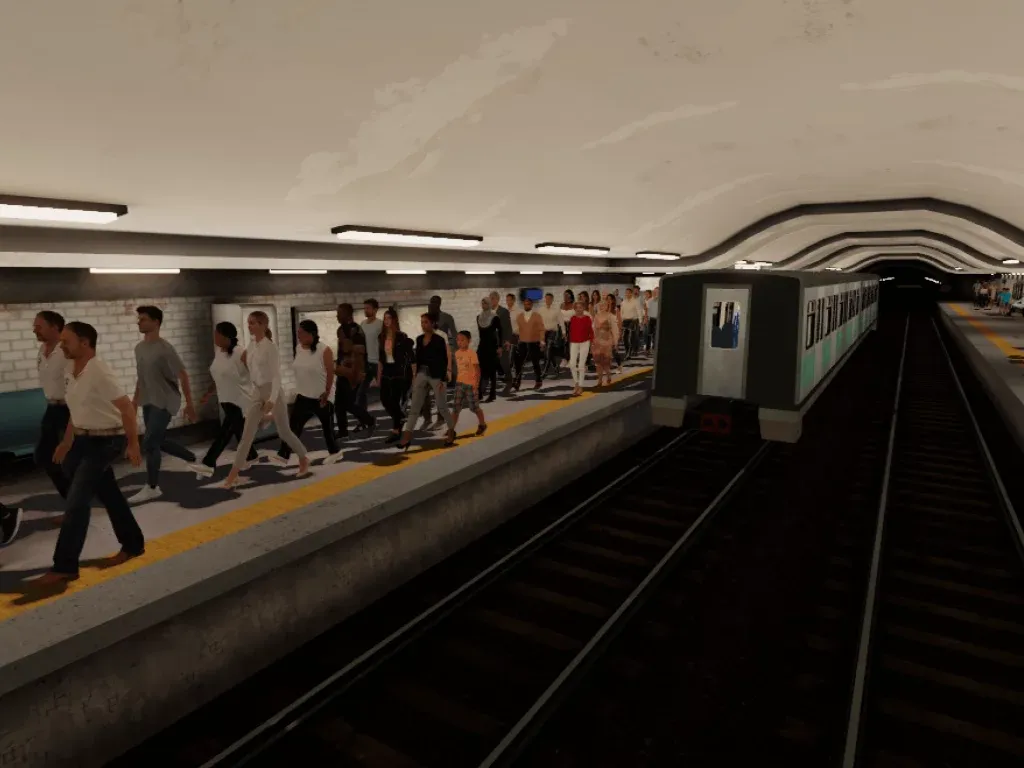
Public Transport
The metro, bus or train can become sources of intense anxiety after a traumatic event. C2Care recreates these settings so practitioners can work through gradual exposure.
More details
Public Places
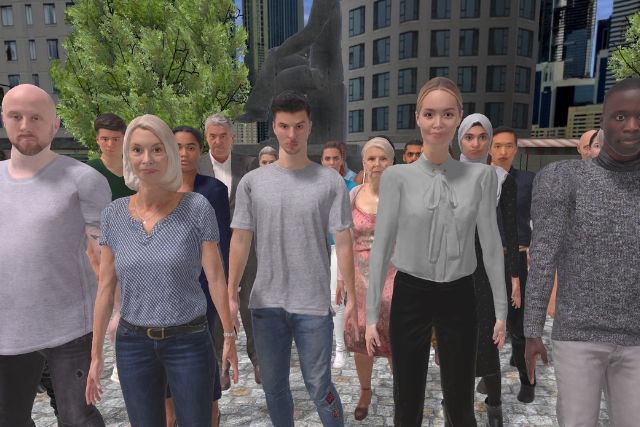
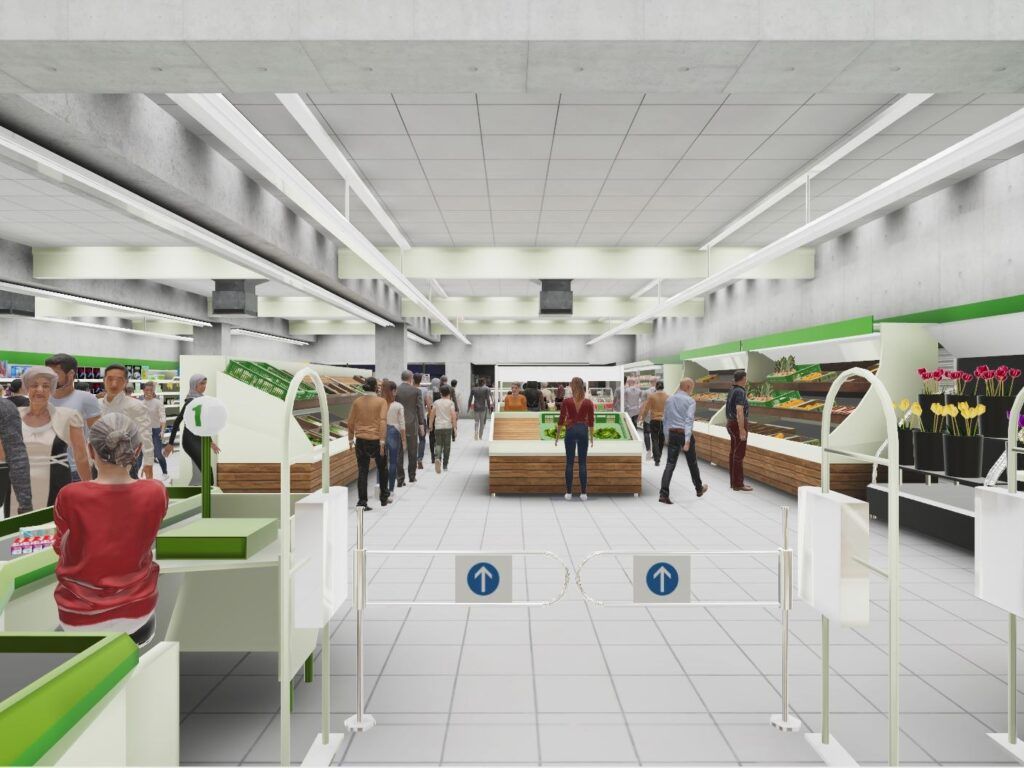
Train stations, supermarkets, airports and cinemas can revive the memory of the traumatic event or trigger fear of other people. These environments let practitioners address both concerns.
More details Driving
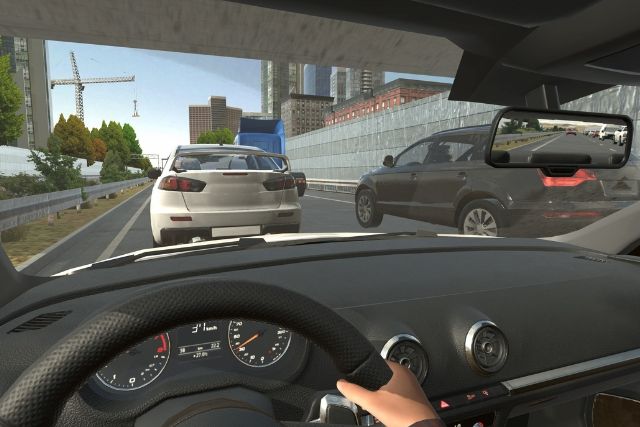
Post-traumatic stress often follows a car accident. With C2Drive, motorway and tunnel environments allow a gradual approach to traffic density, weather conditions and vehicle types.
More details The Exact Location of the Trauma
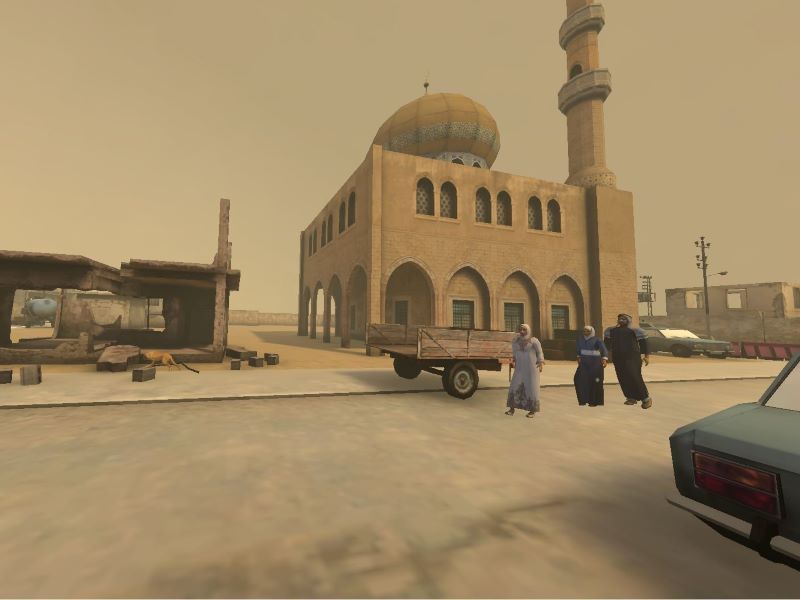
Trauma is tied to personal history. With C2Custom, practitioners can recreate the precise location of the event, as well as settings such as a hospital or a basement room.
More detailsTherapeutic applications
Disorders Related to Post-Traumatic Stress
Post-traumatic stress disorder can overlap with other anxiety-related conditions that C2Care also treats through virtual reality exposure.
Agoraphobia
Traumatic events can turn public places such as train stations, supermarkets, airports or cinemas into sources of intense anxiety. C2Care recreates these environments so practitioners can work on the fear of the place and of other people through gradual exposure.
 Learn more
 Amaxophobia (fear of driving)
Post-traumatic stress frequently follows a car accident, experienced or witnessed, and disrupts the ability to drive comfortably. With C2Drive, practitioners expose patients to motorway and tunnel environments, adjusting traffic density, weather and vehicle type.
 Learn more
 Social phobia
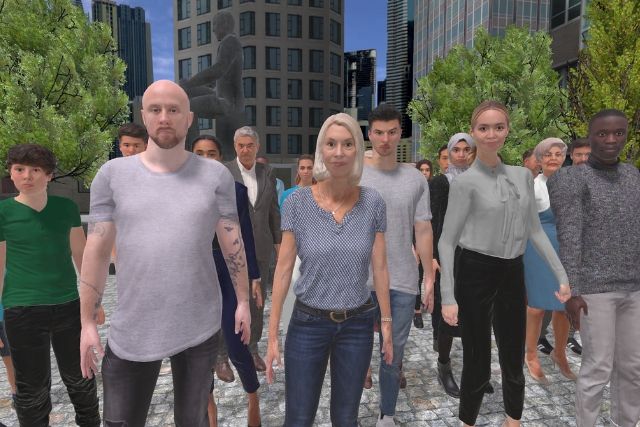
Fear of other people is common after a traumatic event, especially one involving violence. C2Care's public transport and public place environments let practitioners work on this fear of others alongside the fear of the location itself.
 Learn more
 Generalized anxiety disorder
Post-traumatic stress can extend into constant, diffuse anxiety that is not limited to reminders of the event. Virtual reality exposure lets practitioners target the specific situations reported by the patient in a controlled, gradual way.
 Learn more
Success stories
Testimonials
Patients share, in their own words, how virtual reality exposure changed their daily life after post-traumatic stress.
Success stories
Why Choose C2Care
+350
facilities
equipped
+700
practitioners
trained
+10
years
of expertise
+25
countries
of deployment
FAQ
Frequently Asked Questions about PTSD and Virtual Reality
Find answers to the questions practitioners and patients most often ask about treating post-traumatic stress disorder with virtual reality.
Why use virtual reality to treat PTSD?
Virtual reality lets patients confront trauma-related situations in a secure environment, gradually adjusting the intensity of stimuli. This graduated exposure recontextualises the traumatic event and helps reduce anxiety and catastrophic thoughts over the course of treatment.
How does virtual reality treatment work?
You first equip yourself with a compatible headset and get unlimited access to C2Care software such as C2Phobia or C2Drive. During sessions with a therapist, you are exposed to relevant environments progressively, then repeat the exposure autonomously to build habituation.
Can I feel nauseous while using the headset?
Yes, this is known as cybersickness, a reversible phenomenon affecting a portion of users. Starting with static environments and slight head movements before progressing to slower motion helps the body adapt to virtual movement while remaining physically still.
Which patients can benefit from virtual reality exposure therapy?
Virtual reality exposure therapy shows benefits across a wide age range, from adolescents to elderly patients, particularly for anxiety disorders including PTSD. However, it is not recommended for people with epilepsy or pregnant individuals.
What equipment do I need to use virtual reality treatment?
You need a compatible virtual reality headset, which gives unlimited access to C2Care's software suite: C2Phobia, C2Drive, C2Hypno, C2Brain, C2Custom and C2Motion. No additional equipment is required to begin exposure sessions.
Who should I contact if I have a software issue?
Our technical support team is reachable via live chat from your control panel. If your headset malfunctions, we help diagnose the issue and, if necessary, send a return label and replace defective equipment within 48 hours.
What pathologies can virtual reality treat?
Virtual reality is used to treat anxiety disorders such as phobias and post-traumatic stress disorder, as well as obsessive-compulsive disorders, addictions, mood disorders, and supports cognitive remediation.
Is virtual reality effective for treating PTSD?
According to psychiatrist Eric Malbos, virtual reality is around 80% effective, with benefits maintained for more than a year after treatment. This figure comes from clinical observation rather than a formal scientific study.
Can I feel nauseous while using the headset?
This can happen and is called cybersickness, a phenomenon well known to affect part of the population. It is reversible: starting with static environments and slight head movements, then progressing to slower movements, helps the body adapt to the sensation of movement while remaining physically still.
What pathologies can be treated with virtual reality?
Virtual reality exposure can address anxiety disorders such as post-traumatic stress disorder and phobias, as well as addictions, mood disorders and, with dedicated software, cognitive remediation.
Which patients can benefit from virtual reality exposure therapy?
Virtual reality exposure therapy is effective across a wide age range. Studies show good feasibility and results in adults, in adolescents, for whom it increases therapeutic engagement, and in elderly patients, where it supports cognitive stimulation, behavioural work and anxiety management. It is not advised for people with epilepsy or pregnant individuals.
What are the benefits for therapists using virtual reality?
Virtual reality helps practitioners differentiate their practice from traditional treatment options. It is backed by extensive research, improves patient engagement thanks to its interactive nature, and saves time by giving direct access to varied exposure environments without external logistics.
Do I have access to all environments?
Access depends on the software included in your subscription. Once you have a compatible headset, you get unlimited access to C2Care's software suite, each offering its own set of environments.
Who should I contact in case of software issues?
Our technical support team can be reached via live chat from your control panel. If you experience an issue with your headset, we will help diagnose the problem and, if necessary, provide a return label and replace the defective equipment within 48 hours.
How do I cancel my subscription?
You can cancel your subscription directly from your account settings. If you need help, our support team is available via live chat from your control panel.