
Virtual reality for social phobia
Supporting practitioners in treating social phobia with virtual reality
Social phobia is an intense fear of judgment in social or performance situations, often centred on public speaking. Virtual reality lets patients gradually face these contexts at their own pace, under a practitioner's guidance, to reduce the anxiety experienced.
- +350
- facilities
- equipped
- +700
- practitioners
- trained
- +10
- years
- of expertise
- +25
- countries
- of deployment
About C2Care and social phobia
What is social phobia?
Social phobia, or social anxiety, is an intense fear of judgment in social or performance situations. It often centres on public speaking but also affects everyday interactions, school life, social events, and romantic encounters.
Left untreated, it can lead to avoidance and social isolation. Virtual reality lets patients gradually face these anxiety-provoking situations at their own pace, under a practitioner's guidance.
How it works
A complete solution for social phobia
C2Care combines immersive technology, therapeutic content, and artificial intelligence to support practitioners treating social phobia.

Headset & hardware
The virtual reality headset immerses patients in realistic social situations, from public speaking to job interviews, within a controlled setting.

Therapeutic platform
The platform lets practitioners select and adjust social scenarios, guiding exposure sessions to address each patient's specific fears.

Personalization
Context, crowd density, and the age or gender of virtual interlocutors can be adjusted to match the patient's anxiety-provoking situations precisely.

Support
The Camille AI assistant supports patients throughout exposures, offering non-judgmental encouragement alongside the practitioner's guidance.
How it works
How to use C2Care for social phobia
- 1
Choose the environment
Select a social context, such as public speaking, a job interview, a social event, or a public place, based on the patient's specific fears.
- 2
Equip the patient
Fit the patient with the virtual reality headset so they can enter the chosen social environment safely.
- 3
Adjust the exposure
Gradually increase the difficulty of the scene, adjusting crowd density or the attitude of virtual interlocutors, to build the patient's confidence step by step.
- 4
Support
Guide the patient through the exposure while the Camille AI assistant offers personalised, judgment-free support.
Environments
Social situations you can work on
C2Care recreates the everyday social contexts most likely to trigger anxiety.
Public speaking
Patients face an audience in a conference room or lecture hall, addressing fears of judgment, blushing, or losing control while speaking.
More details
Public places
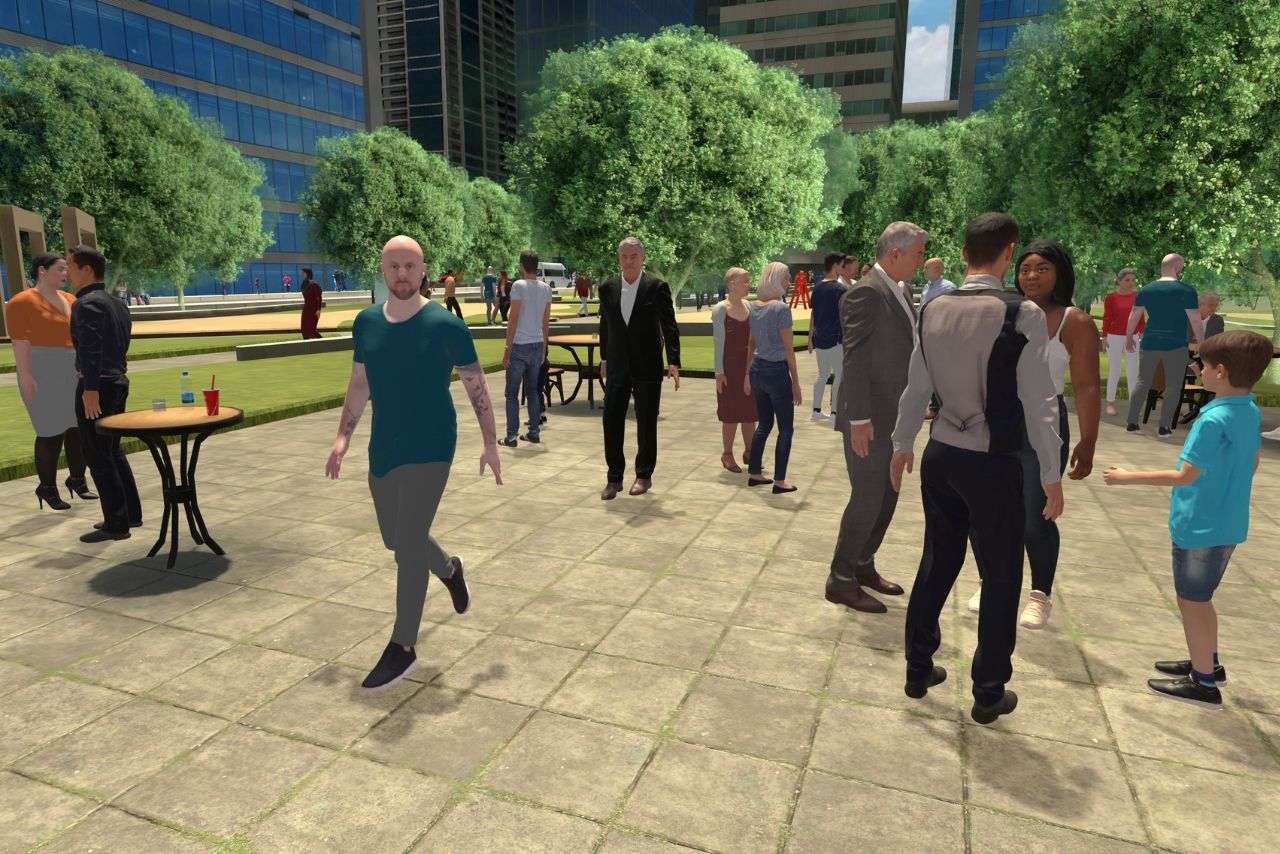
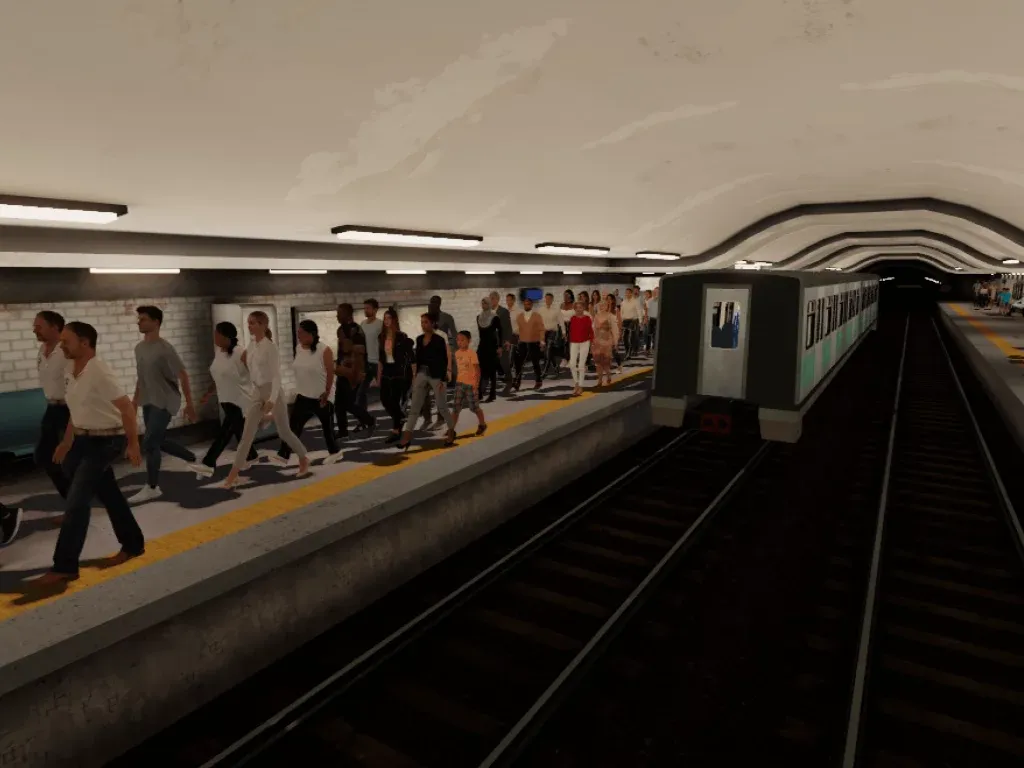
Crowded settings such as public transport or supermarkets can be adjusted in density, letting patients gradually get used to feeling watched or judged in public.
More details School situations
Presentations, raising a hand in class, or meeting new classmates can be rehearsed, with adjustable audience size and attitudes.
More details
Social events and romantic dates
From house parties to one-on-one conversations, patients can practice engaging with others, choosing the age and gender of virtual interlocutors for dating scenarios.
More detailsTherapeutic applications
Which disorders are related to social phobia?
Social phobia often overlaps with other anxiety-related disorders that C2Care also addresses.
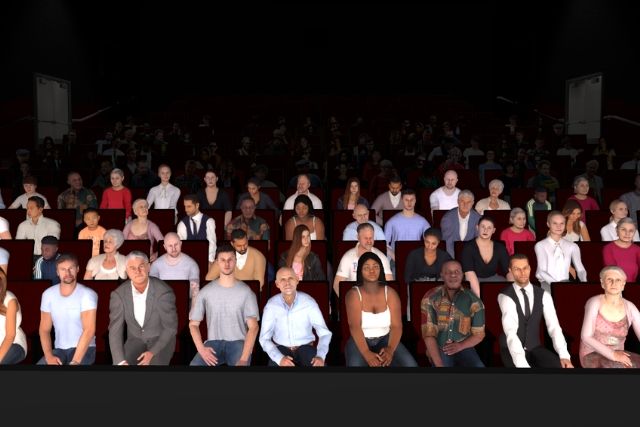
Fear of public speaking (glossophobia)
Glossophobia, the fear of speaking in front of an audience, is one of the most common expressions of social phobia. Virtual reality lets patients rehearse speeches in front of a virtual audience, gradually reducing the fear of blushing or losing control.
 Learn more
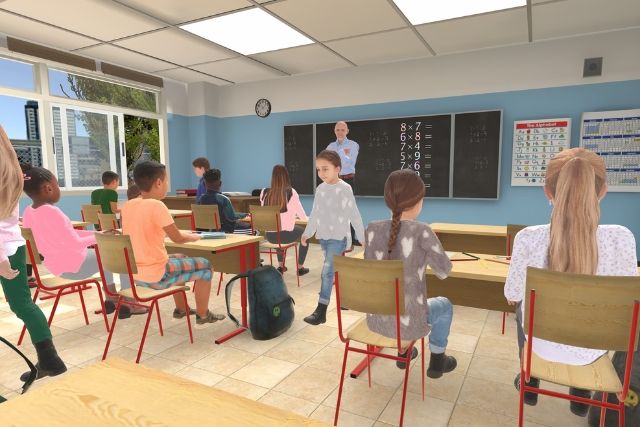
 School phobia
Social anxiety can severely affect school life, causing fear of presentations or of speaking up in class. C2Care lets practitioners adjust the number of listeners and their attitudes to work on these specific fears.
 Learn more
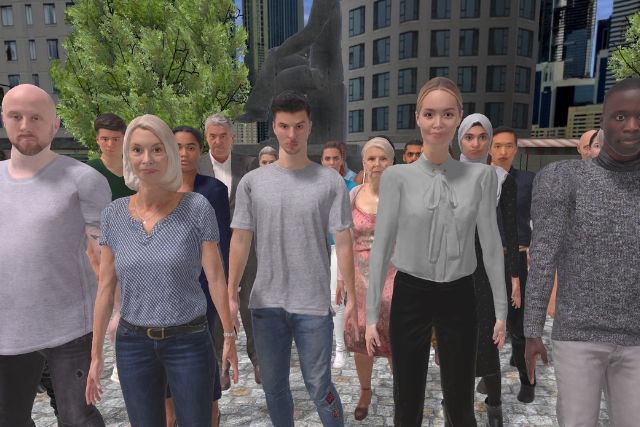
 Agoraphobia
Agoraphobia often accompanies social phobia, with a fear of crowded or public places. C2Care's immersive environments recreate these settings, letting patients build tolerance gradually.
 Learn more
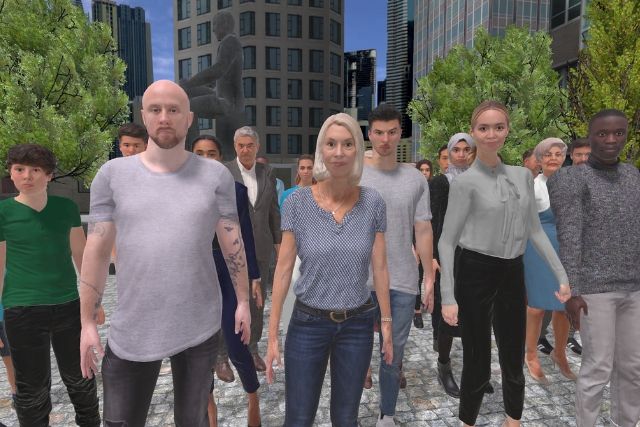
 Generalized anxiety disorder
Generalized anxiety often reinforces the fears experienced in social phobia. Graduated exposure and cognitive restructuring in virtual reality help patients unlearn catastrophic thoughts and build more balanced ones.
 Learn more
Success stories
Lives changed thanks to our method
Patients and practitioners share how virtual reality helped them overcome social phobia.
Success stories
Why choose C2Care?
+350
facilities
equipped
+700
practitioners
trained
+10
years
of expertise
+25
countries
of deployment