
Therapeutic Virtual Reality
Supporting Students Through School Phobia With Virtual Reality Exposure
"Virtual reality is 80% effective, with benefits lasting for more than a year after treatment." Eric Malbos, Psychiatrist
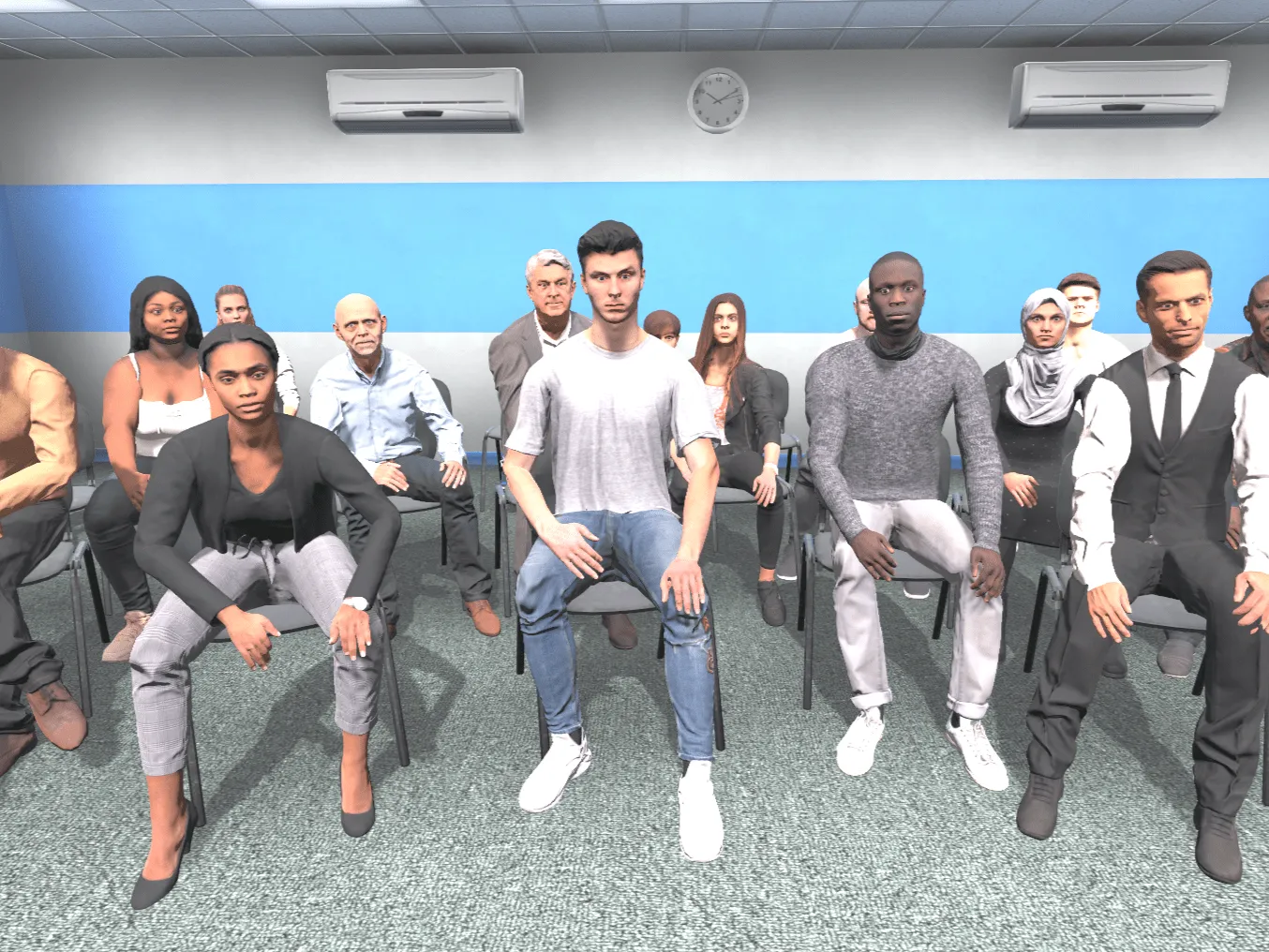
C2Care, a leader in therapeutic virtual reality since 2015, lets you expose patients to school-related anxiety from home. A psychologist accompanies each child using cognitive behavioural therapy and virtual reality exposure to overcome school phobia.
- +350
- facilities
- equipped
- +700
- practitioners
- trained
- +10
- years
- of expertise
- +25
- countries
- of deployment
About C2Care and school phobia
What is school phobia?
School phobia is an intense, often irrational fear of attending school, linked to situations such as being criticised, humiliated or evaluated in class. It is regularly associated with separation anxiety, generalized anxiety disorder, or post-traumatic stress disorder.
Around 28% of teenagers and children experience school phobia during their school years, a proportion that keeps rising.
How it works
A Complete Solution for School Phobia
C2Care combines equipment, software and clinical follow-up to help practitioners treat school phobia.
Headset & hardware
Equip yourself with a compatible virtual reality headset to access C2Phobia and expose patients to school-related anxiety triggers.

Therapeutic platform
C2Phobia gives practitioners dedicated environments for public speaking, exams and the classroom, the three situations most linked to school phobia.

Personalization
Exposure is adjusted progressively to each child's needs, modulating audience size, lighting or exam format to match their anxiety level.
Support
A psychologist accompanies the child throughout the sessions, combining cognitive behavioural therapy with virtual reality exposure.
How it works
How Does It Work?
- 1
Choose the environment
Select the environment matching the child's anxiety trigger: public speaking, exams or the classroom.
- 2
Equip the patient
Equip the patient with a compatible virtual reality headset to access C2Phobia and its full library of environments.
- 3
Adjust the exposure
Adjust the exposure gradually, modulating audience size, lighting or exam conditions according to the patient's progress.
- 4
Support
Let the patient repeat the sessions autonomously to build habituation and reduce anxiety over time.
Environments
Environments for School Phobia
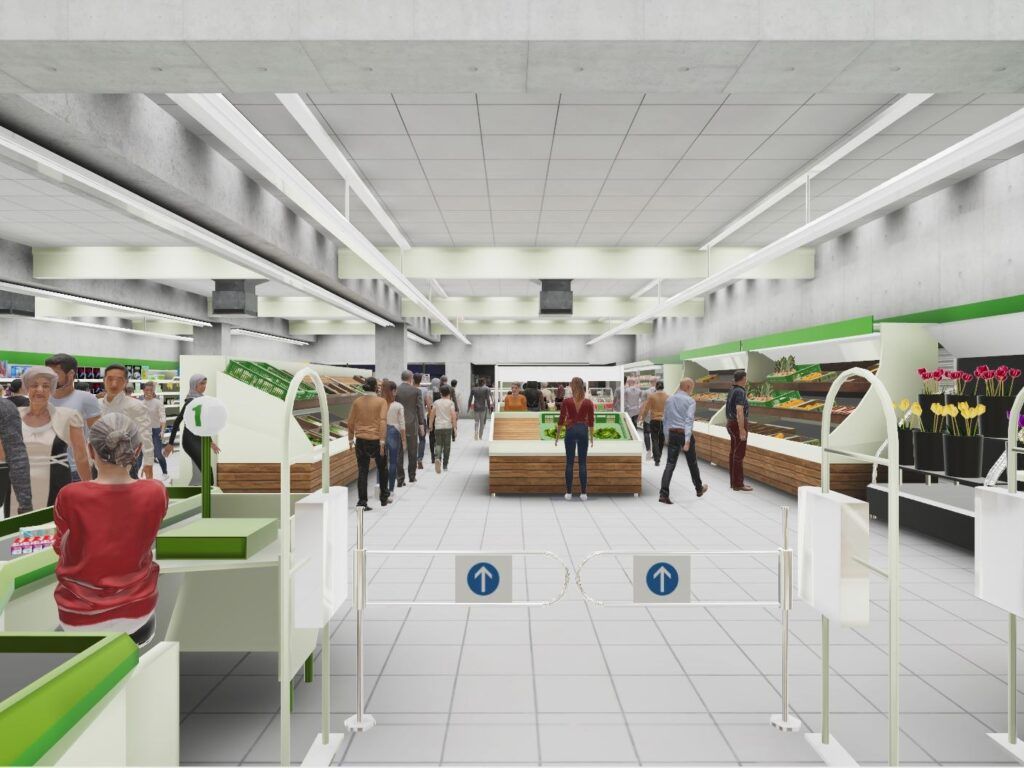
C2Phobia includes several environments designed to reproduce the situations most often linked to school phobia.

Public Speaking
Modulate the number of people, their gaze, mood and lighting across amphitheatres, conference rooms and classrooms to progressively rebuild self-confidence.
More details Exams
Oral and written examination environments allow gradual exposure to reduce the paralysing anxiety and avoidance linked to tests.
More details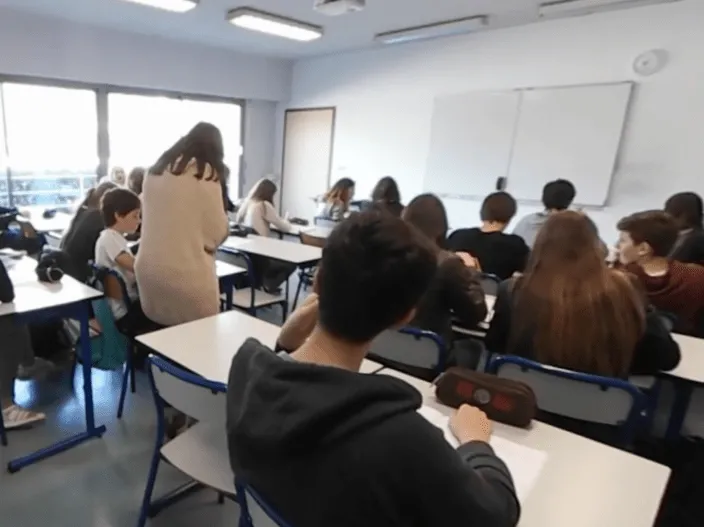
Classroom
Scenes reproducing the classroom, lateness or exams help the practitioner work on the insecurity linked to school phobia and reduce avoidance.
More detailsTherapeutic applications
Which Disorders Are Linked to School Phobia?
School phobia often coexists with other anxiety-related disorders that C2Care also addresses.
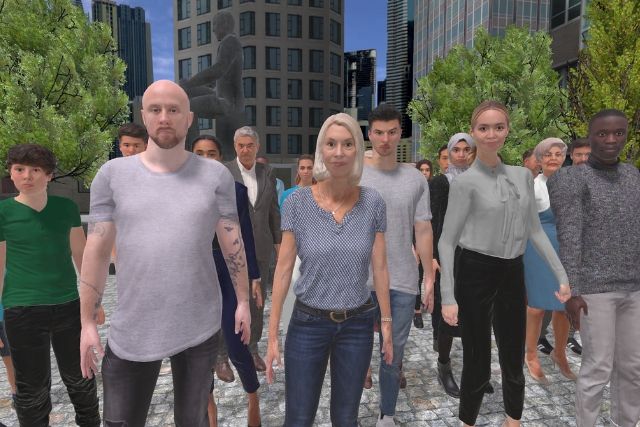
Generalized Anxiety Disorder
School phobia is regularly associated with generalized anxiety disorder. C2Care's graduated exposure and personalized environments help patients build habituation to everyday anxiety triggers.
 Learn more
 Post-Traumatic Stress Disorder
School phobia can also be linked to post-traumatic stress disorder. Virtual reality exposure lets the therapist recreate relevant scenes gradually, at a pace adapted to the patient.
 Learn more
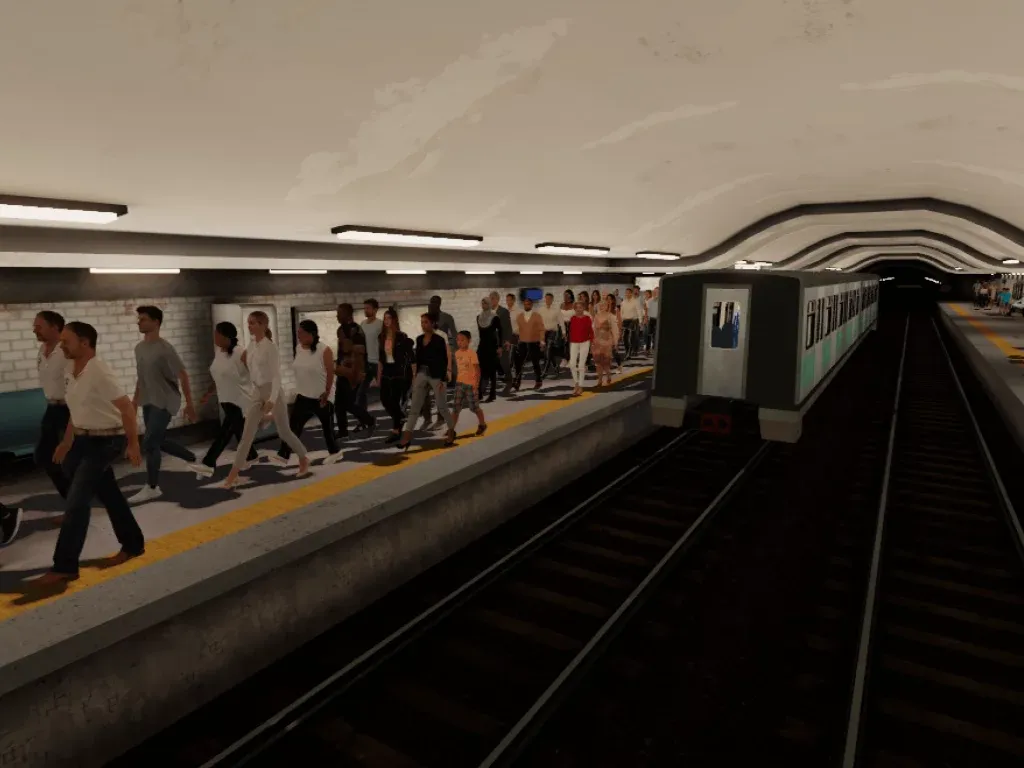
 Glossophobia (Fear of Public Speaking)
The fear of speaking in front of others frequently contributes to school phobia. C2Phobia's public speaking environments let practitioners modulate audience size, gaze and setting to rebuild confidence.
 Learn more
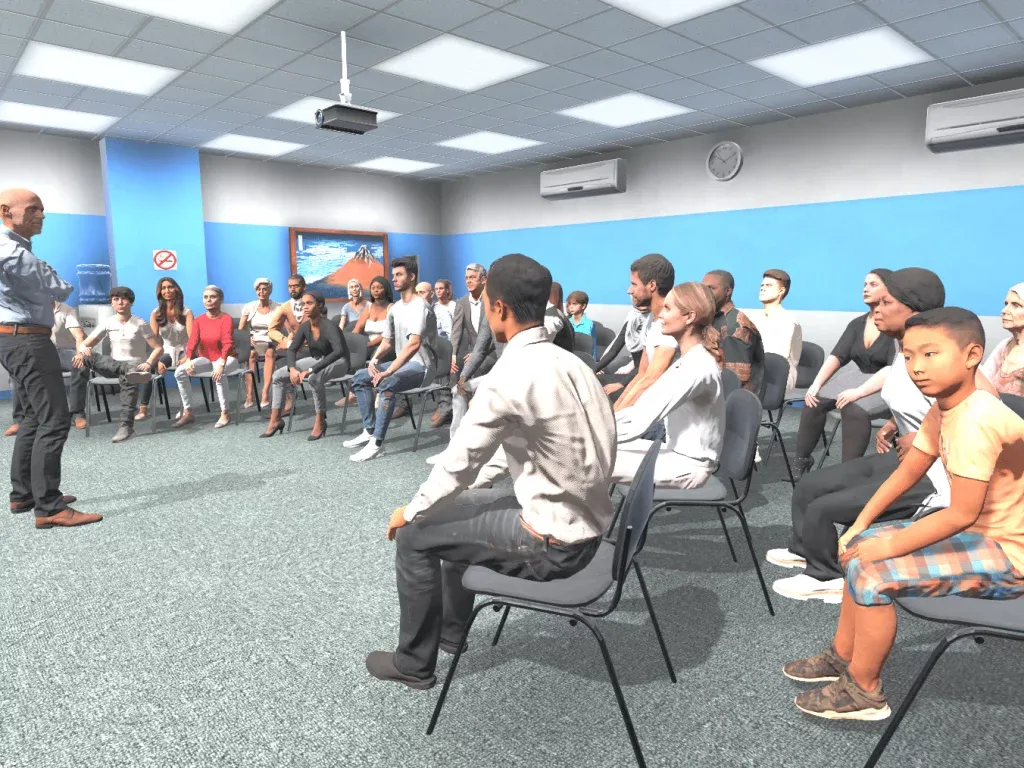
 Social Phobia
Difficulties with peer relationships and self-confidence in social settings often accompany school phobia. Exposure to classroom and public speaking scenes helps patients regain serenity in social situations.
 Learn more
Success stories
What Patients Say
Every person recounts, in their own words, the support they received and the changes it brought to their lives.
Success stories
Why Choose C2Care
+350
facilities
equipped
+700
practitioners
trained
+10
years
of expertise
+25
countries
of deployment
FAQ
Frequently Asked Questions About School Phobia and Virtual Reality
Find answers to the most common questions from practitioners and families about treating school phobia with virtual reality.
What is school phobia?
School phobia is an excessive, often irrational anxiety related to school situations such as oral presentations, exams or fear of judgment from classmates. It is frequently associated with separation anxiety, generalized anxiety or post-traumatic stress disorder, and affects around 28% of teenagers during their school years.
How does virtual reality treat school phobia?
Virtual reality exposure therapy gradually confronts children and adolescents with anxiety-inducing school situations in a controlled environment. This gradual exposure helps desensitize patients and reduce anxiety over time. A psychologist guides the process, combining cognitive behavioural therapy with virtual reality exposure.
What virtual environments are used to treat school phobia?
C2Care offers environments recreating public speaking situations, oral and written exams, and classroom scenes such as lateness or testing. Practitioners can adjust variables like audience size, lighting or mood to match each patient's specific anxiety triggers.
Can virtual reality be dangerous?
Virtual reality is not considered dangerous for most patients, though some may experience temporary cybersickness, a well-known and reversible phenomenon. It is recommended to start with static environments before progressing to movement. People with epilepsy or who are pregnant should avoid this therapy.
Which patients can benefit from virtual reality for school phobia?
Virtual reality exposure therapy shows strong feasibility across age groups, with adolescents responding particularly well due to increased therapeutic engagement. Studies show virtual reality boosts adolescents' interest in their own therapy, which is especially relevant when treating school phobia.
How long has virtual reality been used to treat anxiety disorders like school phobia?
Virtual reality exposure therapies have demonstrated their effectiveness in treating anxiety disorders, including school phobia, for more than 30 years. C2Care has been a leader in therapeutic virtual reality since 2015, now extending treatment to at-home use.
What equipment do I need to start treatment at home?
You need a compatible virtual reality headset to begin. Once equipped, you get unlimited access to C2Care's software suite, including C2Phobia, C2Drive, C2Hypno, C2Brain, C2Custom and C2Motion, to carry out your exposure sessions.
Can I feel nauseous while using the headset?
It can happen, it's called cybersickness, a phenomenon well known to scientists that affects part of the population. Fortunately, it is reversible. To get used to it, it is recommended to start with fairly static environments, then make slight head movements before gradually moving on to slower movements. This allows the body to adapt to the sensation of movement while remaining physically still.
Who can use virtual reality for treatment?
Virtual reality exposure is effective across a wide age spectrum. Adolescents show a significant added value in therapeutic engagement, and elderly patients benefit from its use for cognitive stimulation, behavioural disorders and anxiety.
What are the benefits for therapists using virtual reality?
- Professional differentiation: integrating virtual reality into practice sets therapists apart from traditional treatment options.
- Scientific validation: virtual reality exposure therapy is backed by extensive research.
- Improved patient engagement: the interactive nature of virtual reality fosters greater patient involvement in therapy.
- Time-saving: direct access to various exposure environments without external logistics.
Who should I contact in case of software issues?
Our technical support team can be reached via live chat from your control panel. If you experience issues with your headset, we will work with you to diagnose the problem and find a solution. If necessary, we will provide a return label and replace defective equipment within 48 hours.
Which patients can benefit from virtual reality exposure therapy?
Studies show excellent feasibility across adults, adolescents and elderly patients. Adults benefit particularly for anxiety disorders (including school phobia), autism, addictions, eating disorders, neuropsychological and psychotic disorders and mood disorders. Adolescents show increased therapeutic engagement, while elderly patients benefit from cognitive stimulation and work on behavioural disorders and anxiety. Virtual reality exposure is not recommended for people with epilepsy or pregnant individuals.