
Addictive behaviours
Treating addictive behaviours with virtual reality exposure
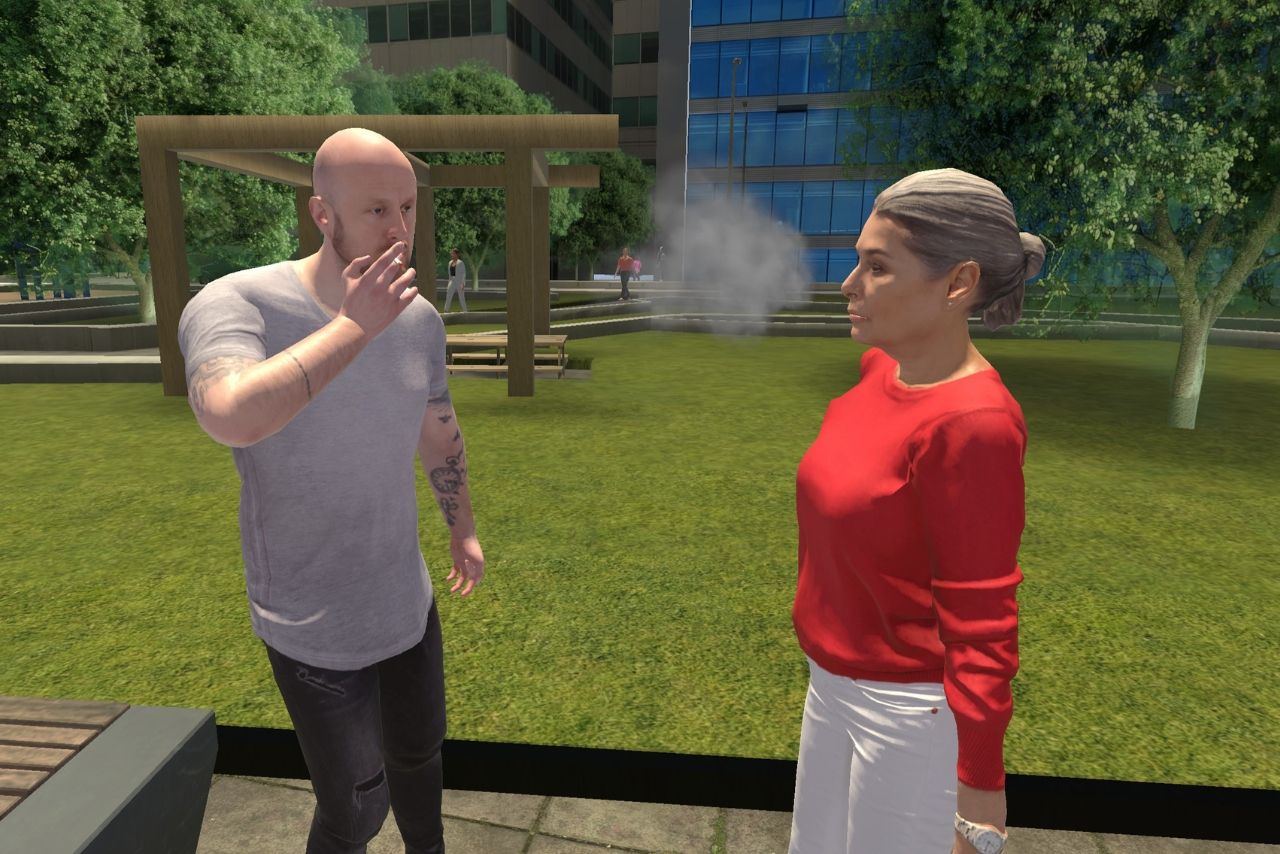
An addictive behaviour is a repetitive, compulsive pattern that relieves emotional tension or provides immediate satisfaction, whether linked to a substance such as alcohol or tobacco, or to an activity like gambling. Virtual reality exposure shows 80% efficacy, according to psychiatrist Eric Malbos, with benefits lasting more than a year after treatment.
- +350
- facilities
- equipped
- +700
- practitioners
- trained
- +10
- years
- of expertise
- +25
- countries
- of deployment
About C2Care and addictive behaviours
What is an addictive behaviour?
An addictive behaviour is a repetitive, compulsive pattern triggered by the need to relieve emotional tension or seek immediate satisfaction. It can involve a substance, such as alcohol, tobacco or CBD, or an activity like gambling.
Despite negative consequences on health, relationships and professional life, the behaviour persists, often reinforced by daily triggers and stress.
How it works
A complete solution for addiction treatment
C2Care combines immersive virtual environments, AI-driven personalization and clinical follow-up to support practitioners treating addictive behaviours.

Headset & hardware
The headset immerses patients in realistic environments (terrace, casino, apartment party) that recreate the situations triggering their addictive behaviour.

Therapeutic platform
The platform relies on cognitive-behavioral principles to challenge automatic thoughts and support cognitive restructuring throughout exposure sessions.

Personalization
Exposure difficulty increases gradually and artificial intelligence adapts its support to each patient, reinforcing confidence at every step.

Support
The assistant IA Camille accompanies patients without judgment throughout their exposures, while the practitioner guides the overall therapeutic pathway.
How it works
How does exposure therapy for addictions work?
- 1
Choose the environment
The practitioner selects the environment matching the patient's triggers, such as a terrace, a casino, a tobacco shop or an apartment party.
- 2
Equip the patient
The patient wears the headset and is immersed in the chosen environment, which recreates the cues associated with their craving.
- 3
Adjust the exposure
The practitioner gradually increases the difficulty of the scene, helping the patient desensitize to anxiety and regain confidence.
- 4
Support
Throughout the session, the assistant IA Camille and the practitioner support the patient, encouraging cognitive restructuring and new coping strategies.

Environments
Environments used for addiction exposure
C2Care recreates the everyday settings where cravings and addictive triggers occur.

Terrace
A café or bar terrace recreates the social settings where alcohol and tobacco cravings are frequently triggered, allowing controlled exposure to these cues.
Casino
The casino environment exposes patients to gambling contexts, helping them identify the triggers of compulsive behaviour and regain control.
Tobacco shop
This environment reproduces a common tobacco-related trigger, supporting patients in identifying the automatisms linked to smoking.
Apartment party
A social gathering scene recreates situations where alcohol and other substances are often consumed, activating the beliefs linked to the addictive behaviour.
Therapeutic applications
Which addictive behaviours does C2Care treat?
C2Care addresses several forms of addictive behaviour through graduated virtual reality exposure.
Alcohol addiction
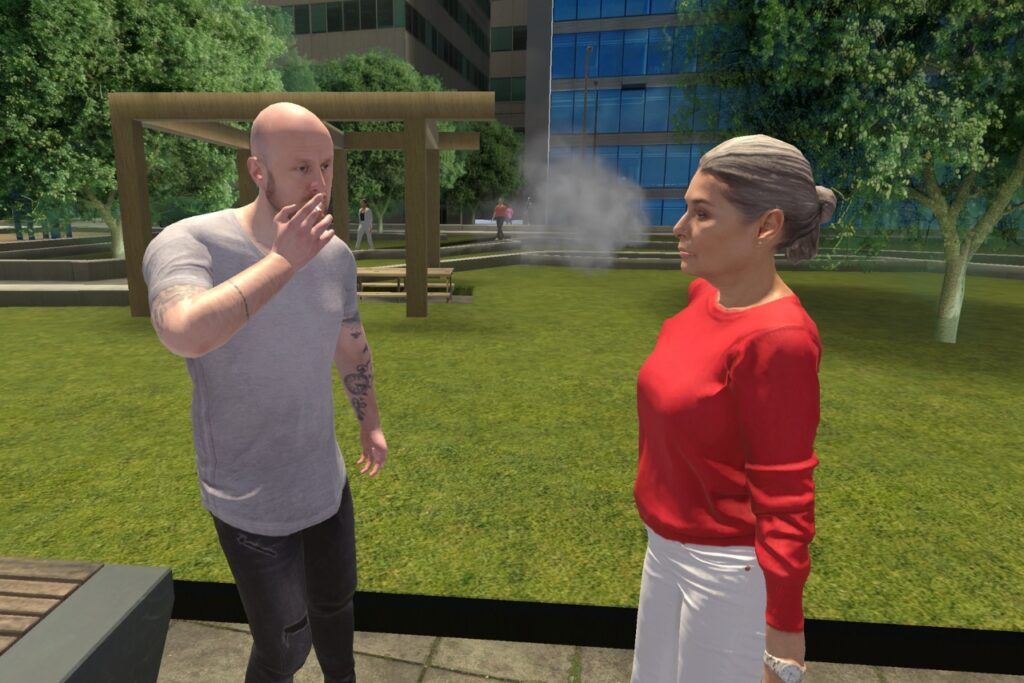
Alcohol consumption can become an automatic response to moments of discomfort or tension. Exposure to environments such as a terrace, a casino or an apartment party activates the dysfunctional thoughts linked to this behaviour, supporting cognitive restructuring.
 Learn more
 Tobacco addiction
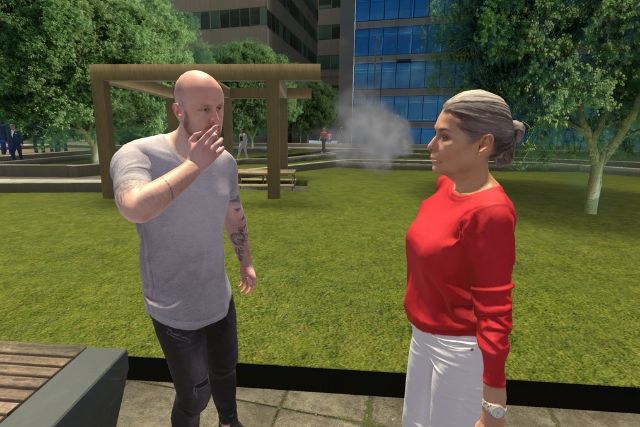
Tobacco addiction combines physical dependence with psychological attachment, reinforced by daily rituals and stress. Exposure to craving stimuli in terraces, tobacco shops or social gatherings helps patients identify these automatisms and adopt new strategies.
 Learn more
 CBD addiction
CBD addiction can develop when consumption becomes an escape from difficult emotions or a systematic response to stress. Exposure environments combined with artificial intelligence let patients confront consumption-related contexts in a controlled, supported setting.
Learn more Addiction to inhaled substances
Inhaled substances intensify the desired effect and can lead to rapid, powerful dependence, often driven by the need for immediate relief. Exposure helps patients understand their habits and develop alternative strategies to manage cravings.
Gambling addiction
Gambling addiction is often driven by the hope of winning or the thrill of taking risks, and can affect finances and relationships. Casino environments allow gradual exposure to gambling contexts, helping patients identify triggers and regain control.

Success stories
They share their experience with C2Care
Patients and practitioners describe how virtual reality exposure supported them in overcoming addictive behaviours.
Success stories
Why choose C2Care?
+350
facilities
equipped
+700
practitioners
trained
+10
years
of expertise
+25
countries
of deployment
FAQ
Frequently asked questions about addictions and virtual reality
Find answers to the most common questions practitioners ask about using virtual reality to treat addictive behaviours.
Which addictions can be treated with C2Care?
C2Care offers dedicated environments for alcohol, tobacco, CBD, inhaled substances and gambling. Each environment recreates craving-related situations, such as a café terrace, casino, tobacconist or party, to support cognitive restructuring.
How does virtual reality affect addictive behaviours?
Patients are immersed in environments that reproduce triggering situations, helping them identify and challenge automatic thoughts associated with craving. Repeated and gradual exposure helps reinforce more functional thought patterns.
Can addictions be treated remotely?
In teleconsultation, the approach focuses on managing triggers rather than treating the addiction itself. Addiction-related exposure scenes cannot be used remotely; the goal is instead to strengthen resilience and improve stress management.
What role does artificial intelligence play in these treatments?
The AI assistant Camille provides personalized, non-judgmental support throughout exposure sessions. Virtual characters within the scenes reproduce realistic social behaviours to strengthen therapeutic engagement.
What therapeutic approach is the C2Care method based on?
C2Care solutions are based on cognitive behavioural therapy. They help patients challenge limiting thought patterns and rebuild confidence in their abilities through safe, controlled and gradual exposure.
Can I feel unwell during a virtual reality headset session?
Yes, this can happen. This phenomenon is known as cybersickness and affects part of the population. It is reversible, and it is recommended to begin with static environments before gradually introducing movement.
Who should I contact if I have a problem with the software or headset?
Technical support is available via live chat from your control panel. If the equipment is faulty, a return label is provided and a replacement is arranged within 48 hours.