
Tobacco addiction & virtual reality
Guiding patients through tobacco cessation with virtual reality
For more than 30 years, virtual reality exposure therapy has proven effective against anxiety disorders and addictions, including tobacco addiction. Guided by a psychologist trained in cognitive behavioural therapy, patients gradually expose themselves to smoking-related environments to reduce cravings and prevent relapse. More than 1,000 patients have already been treated with C2Care.
- +350
- facilities
- equipped
- +700
- practitioners
- trained
- +10
- years
- of expertise
- +25
- countries
- of deployment
About C2Care and tobacco addiction
What is tobacco addiction?
Tobacco addiction develops rapidly after the first uses, as the body becomes dependent on nicotine. Weaning must be gradual to be effective.
In the United States, about 50 million people are addicted to a tobacco product. In France, 15 million smokers consume an average of 15 cigarettes a day, and nearly half show signs of addiction.
How it works
A complete solution for tobacco addiction treatment
C2Care combines a virtual reality headset, a therapeutic platform, personalisation and clinical support to help practitioners guide patients through tobacco cessation.

Headset & hardware
Equip yourself with a compatible virtual reality headset and get unlimited access to C2Care's therapeutic software, including C2Phobia, to work on tobacco addiction triggers.

Therapeutic platform
The C2Care platform hosts environments linked to smoking cues, from home settings to public places, to support progressive exposure sessions.

Personalization
Each session is adjusted to the patient's craving triggers, whether at home, on a terrace or near a tobacco shop, to gradually reduce the urge to smoke.

Support
A psychologist trained in cognitive behavioural therapy accompanies the patient throughout exposure sessions, supported by the assistant IA Camille.
How it works
How does virtual reality therapy work?
- 1
Choose the environment
Equip yourself with a compatible virtual reality headset to access C2Care's environments related to smoking triggers, at home or in public places.
- 2
Equip the patient
Discuss the addiction with your therapist to understand its triggers and receive the tools needed to reduce cravings before starting exposure.
- 3
Adjust the exposure
Exposure to smoking-related environments is delivered gradually, adapted to the patient's needs and the intensity of their cravings.
- 4
Support
Patients can repeat exposure sessions autonomously as often as needed to build habituation and reduce the urge to smoke.

Environments
Environments to work on tobacco addiction
C2Care recreates the everyday situations most associated with the urge to smoke, so patients can practice resisting cravings safely.

Home
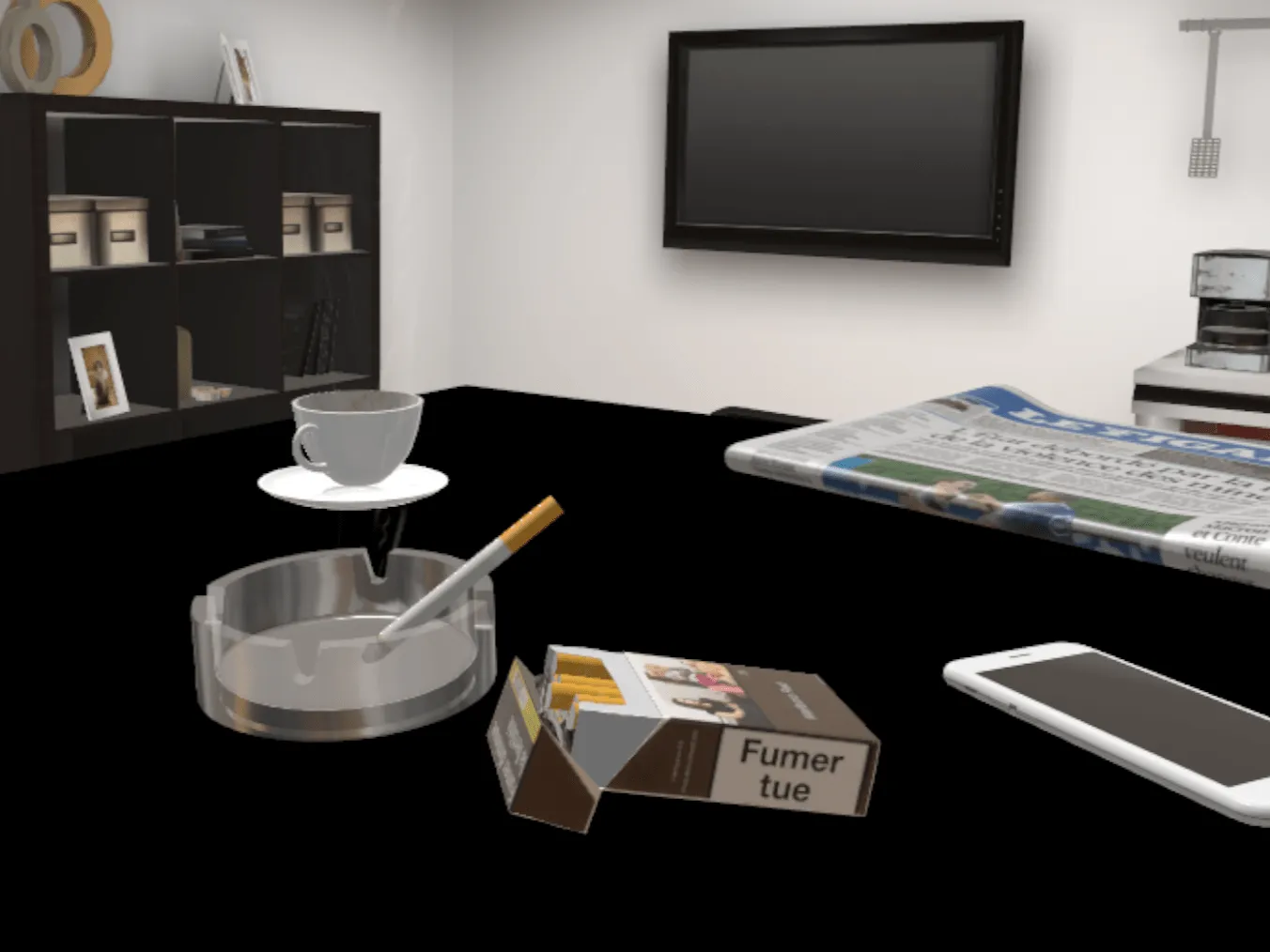
Practise resisting the urge to smoke in daily home situations, such as having coffee in the morning or spending an evening with friends, until the desire to smoke your pack disappears.
More details
Public places
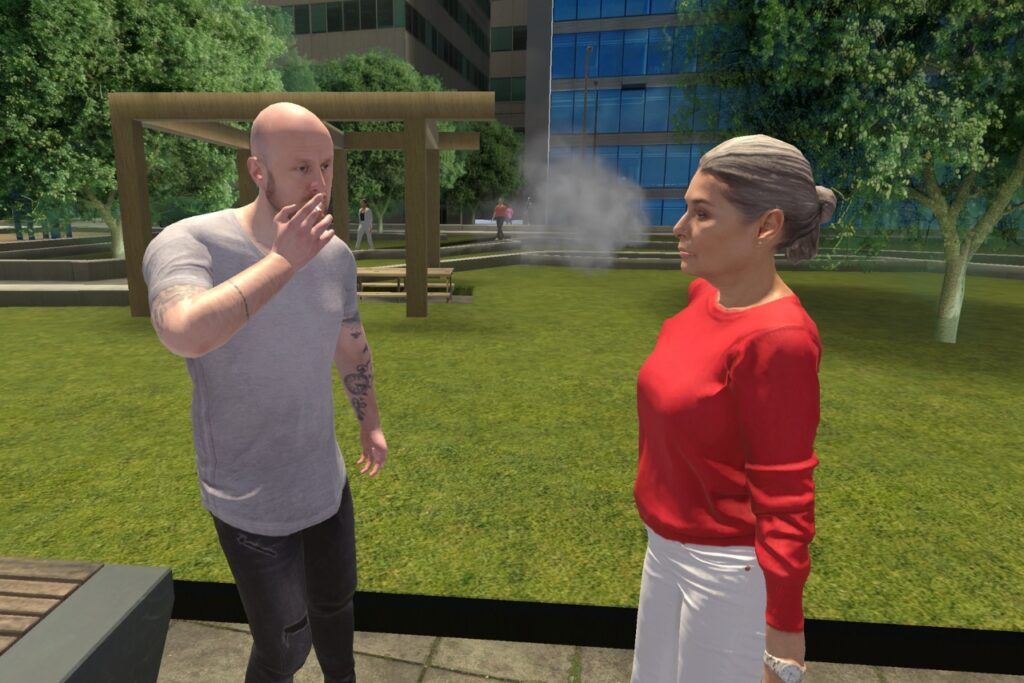
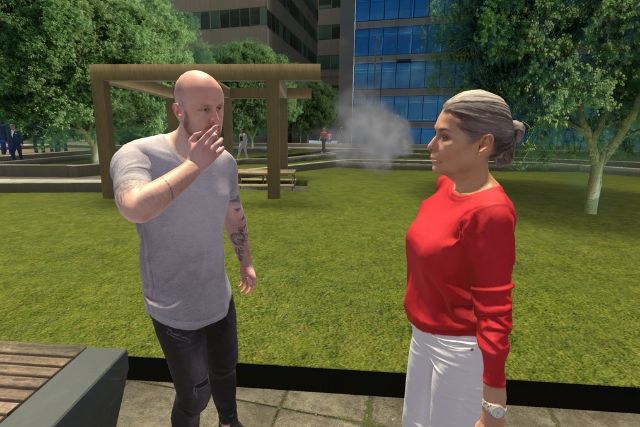
Waiting at a bus shelter, having a drink on a terrace or at the counter, or visiting a tobacco shop can trigger the urge to smoke. Exposure to these environments helps patients manage their emotions and reduce cravings.
More detailsTherapeutic applications
Which disorders are related to tobacco addiction?
Tobacco addiction is often linked to other conditions that C2Care's virtual reality environments can also help address.
Alcohol addiction
Alcohol dependence often shares the same craving mechanisms as tobacco addiction. C2Care's graduated exposure approach helps patients confront alcohol-related environments, such as a terrace or a bar counter, to reduce the urge to drink.
 Learn more
 Drug addiction
Substance addictions share craving and relapse patterns similar to tobacco addiction. C2Care applies the same graduated exposure principles to help patients manage triggers and reduce dependency.
 Learn more
 Gambling addiction
Compulsive gambling involves craving mechanisms comparable to tobacco addiction. A virtual casino environment allows patients to practice resisting the urge to gamble in a controlled setting.
Generalised anxiety disorder
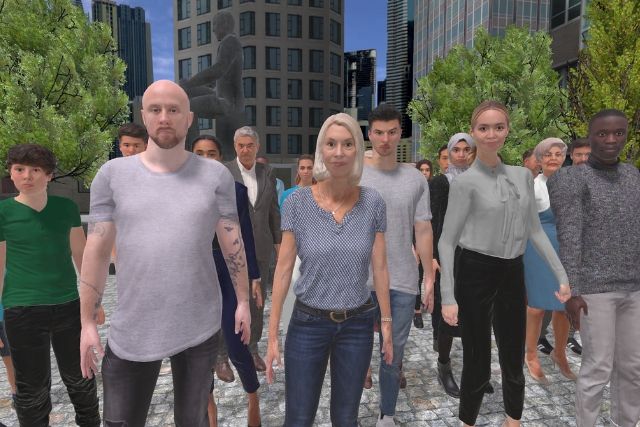
Anxiety often reinforces the urge to smoke as a coping mechanism. C2Care's exposure sessions help patients build tools to manage anxiety without relying on tobacco.
 Learn more
Success stories
What our patients say about quitting smoking with C2Care
Real accounts from patients who used C2Care's virtual reality therapy to overcome tobacco addiction.
Success stories
Why choose C2Care?
+350
facilities
equipped
+700
practitioners
trained
+10
years
of expertise
+25
countries
of deployment
FAQ
Frequently asked questions about tobacco addiction and virtual reality
Find answers to the most common questions about using virtual reality to treat tobacco addiction.
How does virtual reality help people quit smoking?
Gradual exposure in virtual reality places patients in environments associated with the urge to smoke, such as at home or in public places. Repeated exposure can gradually reduce the anxiety and cravings associated with these situations.
Which environments are used to treat tobacco addiction?
The environments reproduce situations associated with a risk of relapse, such as having coffee at home in the morning, spending an evening with friends, waiting at a bus stop, sitting on a café terrace or visiting a tobacconist. Patients learn to become accustomed to these contexts without giving in to the urge to smoke.
Does virtual reality exposure therapy work for addictions?
Virtual reality exposure therapies have been studied for more than 30 years in relation to anxiety disorders and addictions, including tobacco addiction. One psychiatrist reports that 72% of smokers treated with this approach did not relapse.
Am I supported by a professional during treatment?
Yes. A psychologist can support you throughout treatment by combining cognitive behavioural therapy with virtual reality exposure. Sessions are gradually adapted to your needs.
What equipment is required for the therapy?
A compatible virtual reality headset is required to access C2Care software, including C2Phobia. Once equipped with the headset, users can access the available applications according to their plan.
Can I use the headset on my own without a therapist?
Yes. Once the foundations of treatment have been established with a therapist, you can repeat exposure exercises independently. Repetition promotes habituation and can reduce anxiety associated with the situations being addressed.
Can I feel nauseous when using the headset?
Yes, this can happen. This phenomenon is known as cybersickness and is reversible. It is recommended to begin with static environments and then gradually increase movement.
Who should I contact if I have a problem with my headset?
Technical support can be reached via live chat from your control panel. If the equipment is faulty, a replacement can be arranged within 48 hours after a return label has been provided.
What are the benefits for therapists using virtual reality?
Virtual reality can help therapists differentiate their practice from traditional treatment options. It is supported by extensive research, can improve patient engagement and saves time by providing direct access to multiple exposure environments without requiring external logistics.
Do I have access to all environments?
C2Care provides access to more than 250 virtual environments covering situations related to tobacco addiction as well as other anxiety disorders and addictions.
Who should I contact in case of software issues?
The technical support team can be reached through live chat from your control panel. If there is a problem with your headset, the team can help diagnose it and, if necessary, provide a return label and replace defective equipment within 48 hours.
What is a virtual environment?
A virtual environment is an immersive scene, such as a home setting or public place, recreated in virtual reality so patients can practise managing situations that trigger the urge to smoke.