
Obsessive-Compulsive Disorder (OCD)
Helping practitioners treat obsessive-compulsive disorder with virtual reality exposure
Obsessive-compulsive disorder (OCD) is a chronic psychological illness marked by intrusive thoughts and repeated compulsions, causing significant anxiety in daily life. Virtual reality exposure therapy, used for more than 30 years in the treatment of anxiety disorders, offers practitioners a gradual way to help patients reduce their anxiety and regain control.
- +350
- facilities
- equipped
- +700
- practitioners
- trained
- +10
- years
- of expertise
- +25
- countries
- of deployment
About C2Care and obsessive-compulsive disorder (OCD)
What is obsessive-compulsive disorder (OCD)?
Obsessive-compulsive disorder (OCD) is a chronic psychological illness characterised by severe obsessions and compulsions, leading to repeated intrusive thoughts and behaviours such as fear of contamination or checking rituals. These patterns increase anxiety and cause significant daily distress. OCD affects about 1 in 100 adults, representing between 2 and 3 million adults in the United States.
How it works
A complete solution for treating OCD
C2Care combines virtual reality equipment, a therapeutic platform, personalised environments and clinical support to help practitioners treat OCD.

Headset & hardware
Patients equip themselves with a compatible virtual reality headset, giving unlimited access to C2Care's therapeutic software, including C2Phobia, to work on OCD-related exposure scenarios.

Therapeutic platform
The C2Care platform lets practitioners build structured exposure programmes around OCD themes, from hospital environments to contamination and dirt-related scenes.

Personalization
Each environment can be adjusted in intensity, such as the level of dirtiness in a room or the frequency of public transport use, to match the patient's anxiety level.

Support
A therapist accompanies the patient throughout the programme, combining cognitive behavioural therapy with gradual virtual reality exposure to overcome OCD.
How it works
How does it work?
- 1
Choose the environment
The practitioner selects environments linked to the patient's OCD themes, such as hospital departments or contamination-related settings.
- 2
Equip the patient
The patient equips themselves with a compatible virtual reality headset, gaining unlimited access to C2Care's software, including C2Phobia.
- 3
Adjust the exposure
Exposure is delivered progressively, with parameters such as the level of dirtiness or the frequency of public transport use adjusted to the patient's anxiety.
- 4
Support
Between sessions, the patient can repeat the exposure autonomously as many times as needed, building habituation and gradually reducing anxiety.

Environments
Environments adapted to OCD
C2Care offers several virtual environments to expose patients to the situations that trigger their OCD.

Hospital
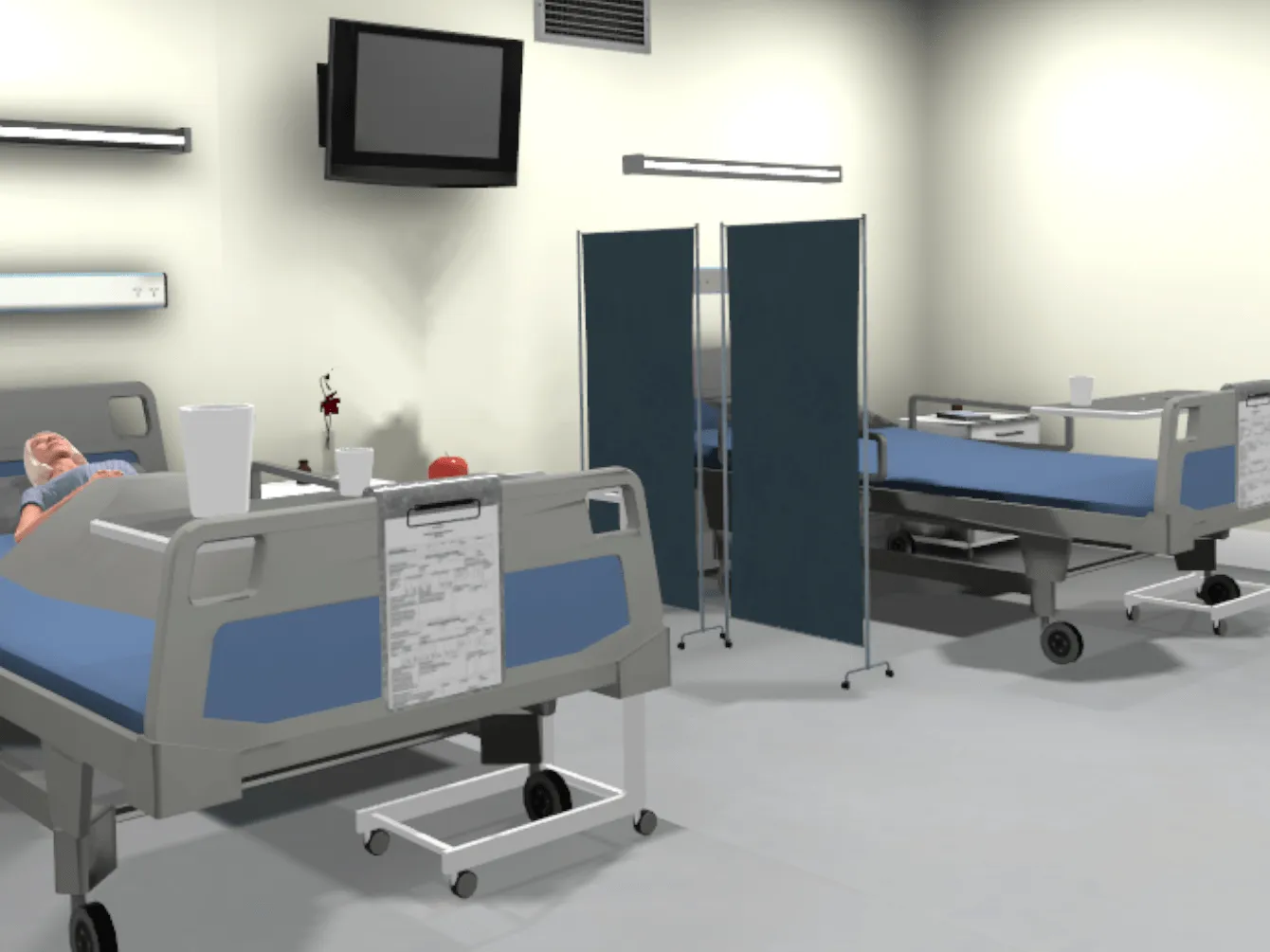
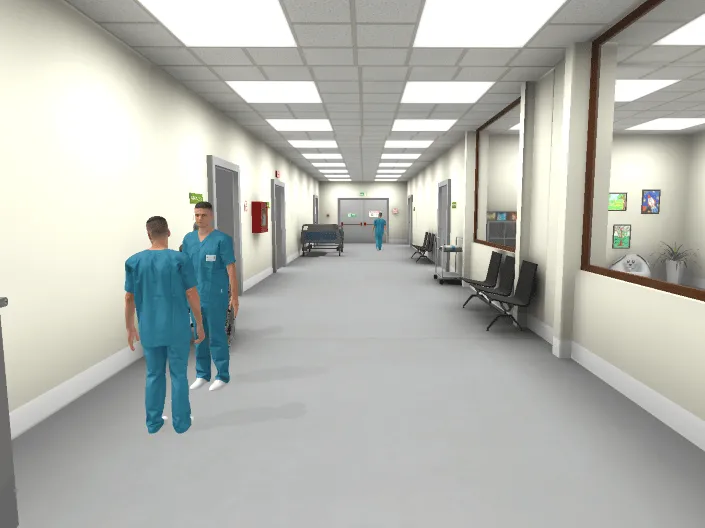
Hospital environments can be a major source of anxiety for people with contamination-focused OCD. Practitioners can guide patients through departments such as a GP's office, MRI, a hospital room, the dentist or a recovery room, including unexpected events.
More details Dirt and contamination
Contamination and dirt OCD is one of the most common forms found in the general population. Exposure can include a basement room with a variable level of dirtiness, gradually increasing anxiety in a controlled way.
More details
Public transport
Public transport such as the metro, train or bus can trigger contamination-related anxiety. Practitioners can modulate parameters like frequency of use to progressively desensitise patients.
More detailsTherapeutic applications
Which OCD themes can be treated?
C2Care's virtual reality exposure addresses several anxiety themes connected to obsessive-compulsive disorder.
Contamination and dirt-related OCD
Fear of contamination and dirt is among the most common OCD themes. Practitioners can expose patients to environments with a variable level of dirtiness and to public transport such as the metro, train or bus, adjusting frequency to build tolerance.
Hospital-related anxiety in OCD
Patients with contamination-focused OCD often avoid hospital settings. Virtual reality lets them confront departments such as a GP's office, MRI room, dentist or recovery room, including unexpected events, without leaving the practice.
 Learn more
Success stories
Testimonials
Patients treated for OCD describe how virtual reality exposure has changed their daily lives.
Success stories
Why choose C2Care?
+350
facilities
equipped
+700
practitioners
trained
+10
years
of expertise
+25
countries
of deployment
FAQ
Frequently asked questions about OCD and virtual reality
Find answers to the most common questions about using virtual reality to treat obsessive-compulsive disorder.
How does virtual reality help treat OCD?
Gradual exposure in virtual reality confronts patients with situations that trigger their obsessions, such as contamination or dirt, in a controlled environment. This progressive desensitization helps reduce the anxiety associated with intrusive thoughts and compulsive behaviours.
Which environments are used to expose patients with contamination OCD?
Practitioners can use a basement room with adjustable levels of dirt, various hospital environments such as a general practitioner’s office, MRI room or recovery room, as well as public transport settings including the subway, train and bus. Exposure frequency can be adjusted to the patient’s needs.
Is virtual reality effective for OCD?
According to psychiatrist Eric Malbos, virtual reality shows an effectiveness rate of around 80%, with benefits maintained for more than a year after treatment. This figure refers more broadly to the effectiveness of virtual reality for phobias and anxiety disorders.
Can I undergo OCD therapy from home?
Yes. C2Care allows patients to complete exposure sessions from home with remote support from a psychologist. The practitioner combines cognitive behavioural therapy with virtual reality exposure to address the disorder.
What happens during virtual reality exposure for hospital-related OCD?
The therapist can virtually expose the patient to different healthcare settings, such as a general practitioner’s office, MRI room, hospital room, dentist’s office or recovery room. Unexpected events, such as encountering someone who is ill, can also be added to increase the intensity of exposure according to the patient’s needs.
Can I feel nauseous when using a virtual reality headset?
Yes, this can happen. This phenomenon is known as cybersickness and is reversible. It is recommended to begin with static environments, then gradually introduce slight head movements before progressing to faster movement.
Who can support me during exposure therapy?
If you are being treated by a psychologist, they can support you using cognitive behavioural therapy combined with virtual reality exposure. Discussions with the practitioner help you understand the disorder and adjust the exposure to your own pace.
Can I use my headset independently between sessions?
Yes. You can repeat exposure to different situations as often as necessary. Repetition promotes habituation and can help reduce anxiety associated with these situations.
What are the benefits for therapists using virtual reality?
Virtual reality helps therapists differentiate their practice, is supported by extensive research, can improve patient engagement and saves time by providing direct access to exposure environments without requiring external logistics.
Who should I contact in case of software issues?
C2Care’s technical support team can be reached via live chat from the control panel. If a headset is defective, a return label is provided and the equipment is replaced within 48 hours.
Is virtual reality effective for treating OCD?
According to psychiatrist Eric Malbos, virtual reality is around 80% effective, with benefits maintained for more than a year after treatment. This approach is used alongside cognitive behavioural therapy to help reduce OCD-related anxiety.
What is a virtual environment?
A virtual environment is an immersive scene designed to expose patients to situations related to their disorder, such as a hospital department or a contamination-related setting for OCD.
Do I have access to all environments?
Access depends on the subscription selected. The full catalogue of available environments can be accessed through the C2Care platform.