
Specific phobias
Guiding patients through specific phobias with virtual reality
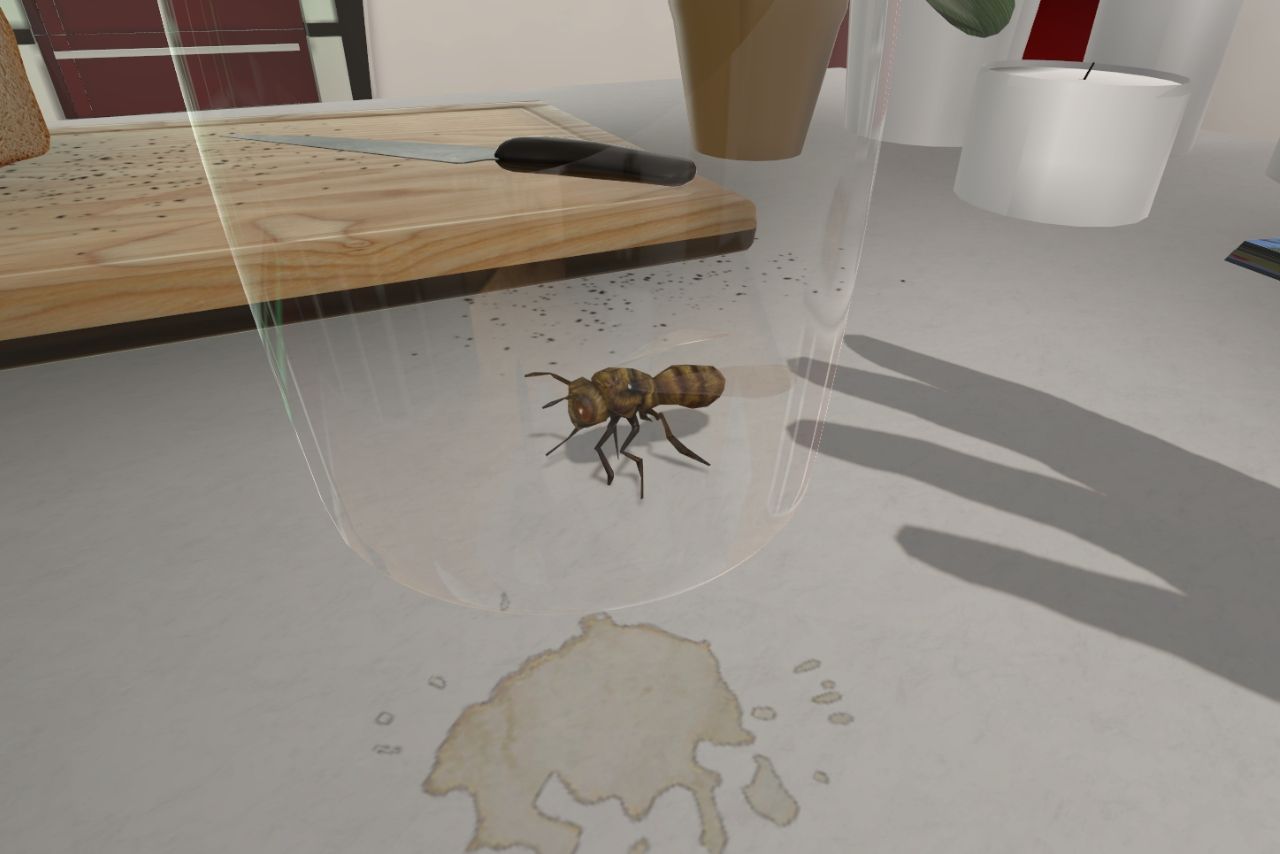
A specific phobia is an intense, irrational fear triggered by a single object or situation, such as spiders, wasps, dogs, or rats. It can cause palpitations, sweating, or a strong urge to avoid the trigger.
Virtual reality lets praticians expose patients to these triggers gradually, in a controlled and safe environment. According to Eric Malbos, Psychiatrist, virtual reality exposure can be around 80% effective, with benefits lasting more than a year after treatment.
- +350
- facilities
- equipped
- +700
- practitioners
- trained
- +10
- years
- of expertise
- +25
- countries
- of deployment
About C2Care and specific phobias
What is a specific phobia?
A specific phobia is an intense, irrational fear triggered by a single object, situation, or activity, such as spiders, wasps, dogs, or rats. Unlike generalised anxiety, it appears only when the feared element is present or imagined, and can cause palpitations, sweating, or dizziness.
Virtual reality lets praticians expose patients gradually to these triggers, in a controlled and safe environment, to reduce avoidance and rebuild confidence.
How it works
A complete solution for specific phobias
C2Care combines immersive environments, gradual exposure, and personalised support to help patients face their specific phobia.

Headset & hardware
The patient wears a headset and is immersed in a virtual environment that recreates the feared object or situation, such as spiders, wasps, dogs, or rats.

Therapeutic platform
C2Phobia's platform gives praticians access to environments dedicated to arachnophobia, entomophobia, fear of dogs, fear of rats, and contamination-related OCD.

Personalization
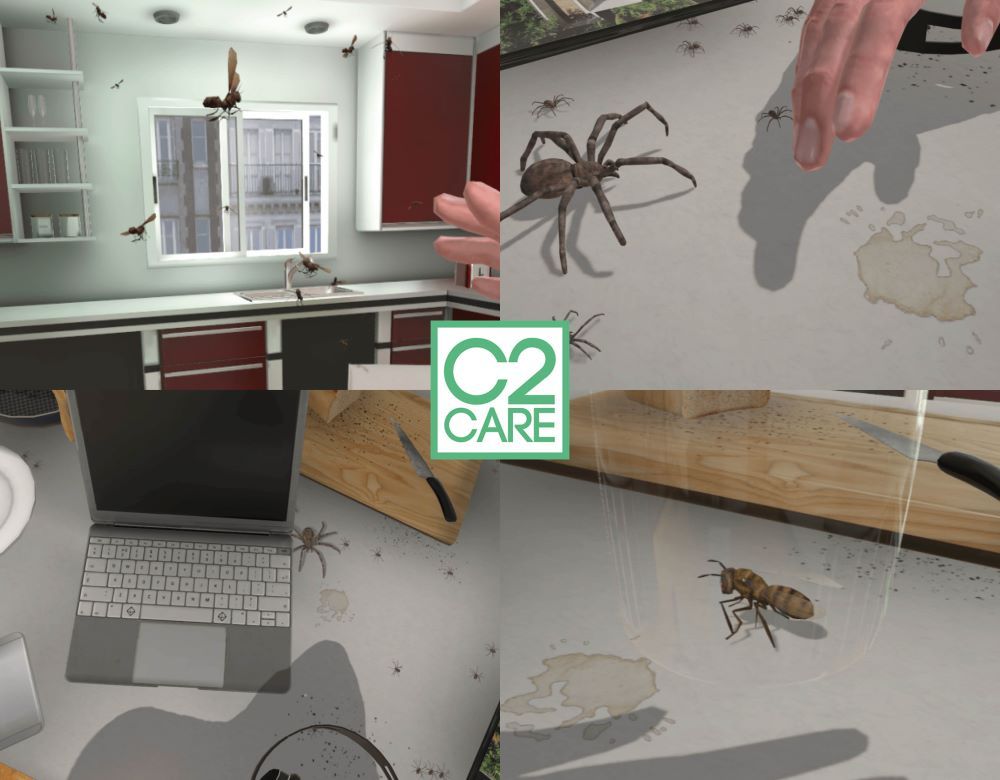
Praticians can precisely adjust each exposure: the number of insects, the intensity of buzzing sounds, or whether they are free or contained under a cover.

Support
The assistant IA Camille accompanies the patient throughout the exposures, providing personalised, non-judgmental support.
How it works
How to use C2Care for specific phobias
- 1
Choose the environment
Select the environment matching the patient's fear: spiders, wasps, dogs, rats, or a contamination-related scenario for OCD.
- 2
Equip the patient
Fit the patient with the headset so they can be immersed in the chosen virtual environment.
- 3
Adjust the exposure
Adjust the exposure gradually: the number of insects, the buzzing intensity, or the animal's proximity, according to the patient's tolerance.
- 4
Support
The assistant IA Camille supports the patient throughout the session, without judgment, reinforcing positive thought patterns.
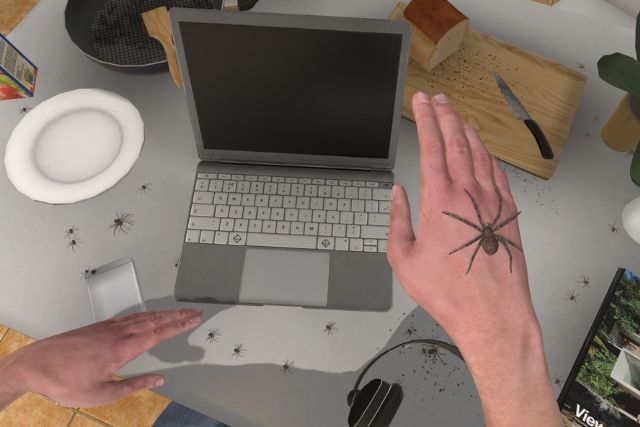
Environments
Environments for specific phobias
Each environment recreates a feared situation so patients can be exposed to it progressively.
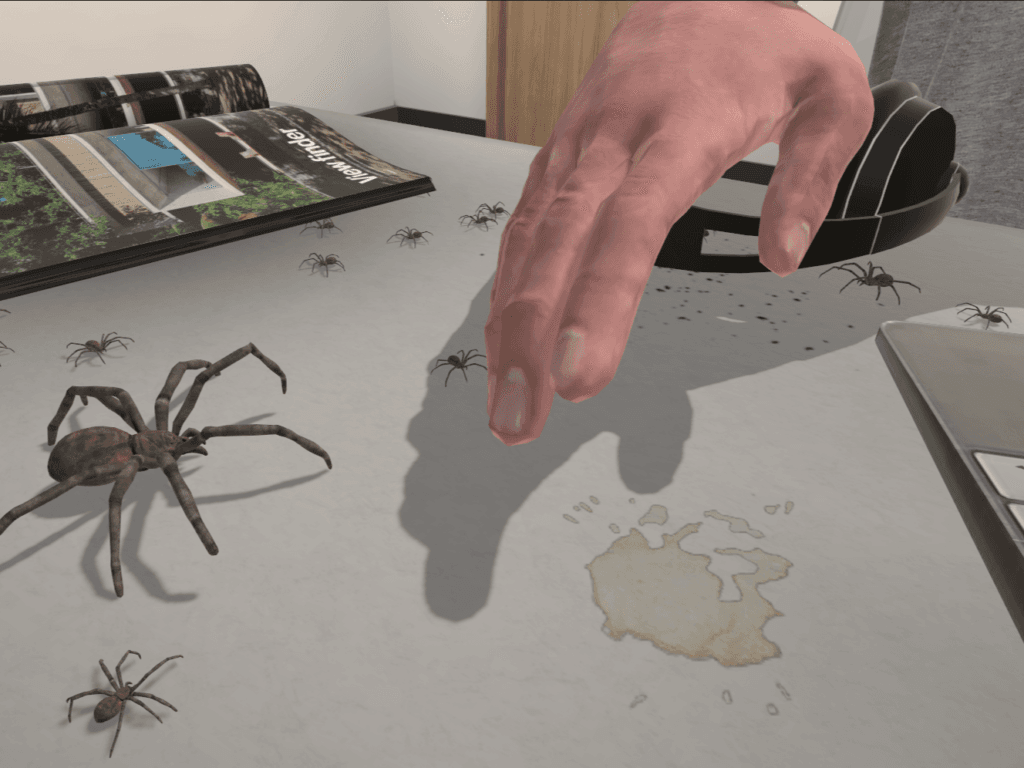
Spiders
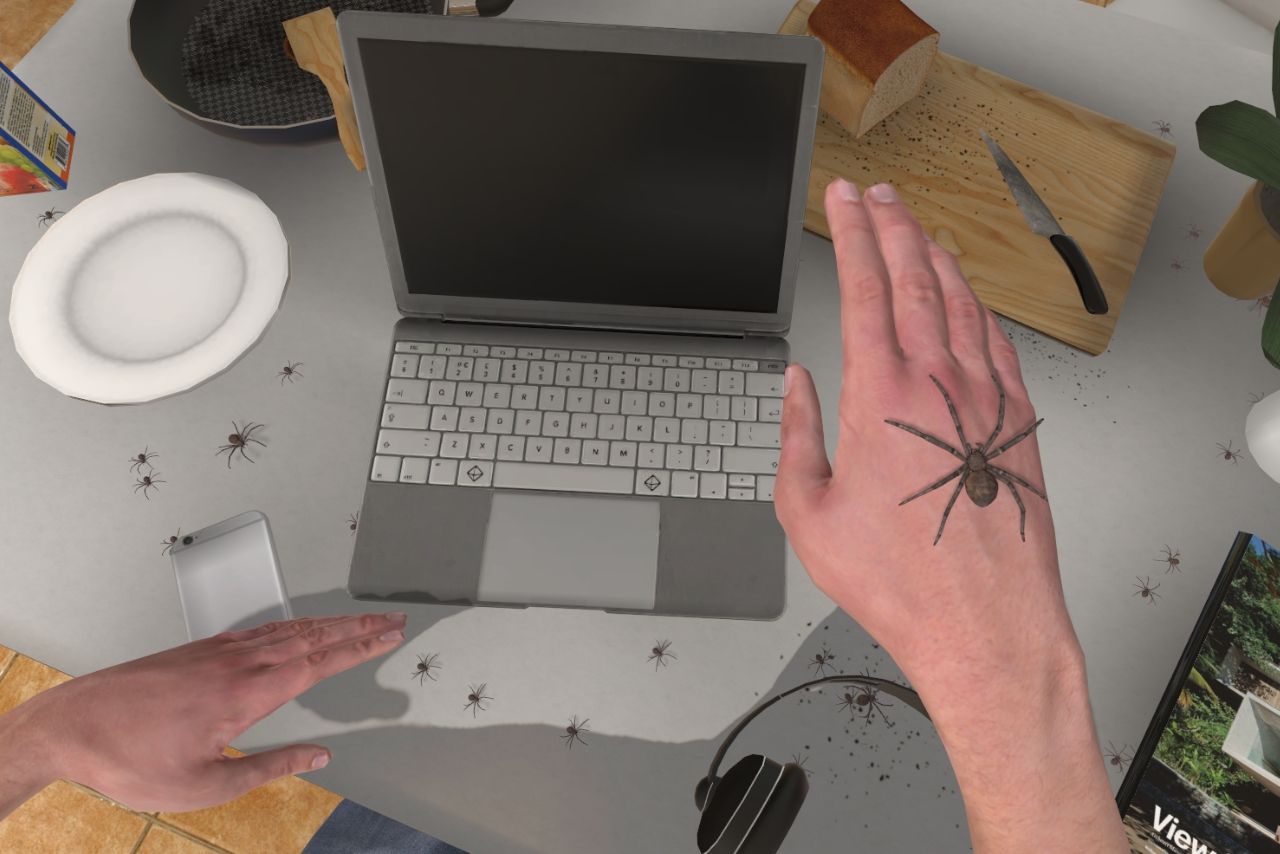
Designed for arachnophobia, this environment lets patients face the sight of a spider gradually, to reduce distress and regain a sense of control.
More details
Wasps
This scene lets praticians adjust insect proximity and behaviour to ease the anxious reactions triggered by their appearance or buzzing.
More details Dogs
Patients confront dogs perceived as unpredictable or threatening, with tailored strategies to reduce anxiety and regain comfort outdoors.
More details Rats
Basements, streets, or confined spaces where rats might appear are recreated to gradually reduce avoidance behaviour linked to this fear.
More detailsTherapeutic applications
Which phobias does C2Care address?
C2Care's environments cover several specific phobias, alongside related disorders.
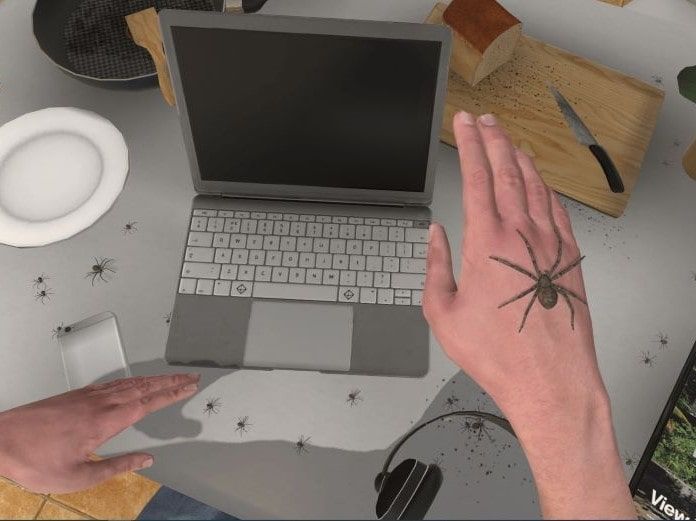
Arachnophobia (fear of spiders)
Arachnophobia is triggered by the sight, or even the thought, of a spider's presence, and can cause severe anxiety. Gradual exposure in a virtual environment helps reduce distress and regain a sense of control.
 Learn more
 Entomophobia (fear of wasps)
Fear of wasps is often triggered by their appearance or the buzzing of their wings. C2Phobia's adjustable proximity and behaviour settings allow gradual, controlled exposure to ease anxious reactions.
 Learn more
 Zoophobia (fear of dogs)
Fear of dogs can prevent outdoor activities and lead to avoidance or isolation, especially when facing dogs perceived as unpredictable. Tailored virtual exposure helps patients regain comfort in these situations.
Fear of rats
Fear of rats is often linked to the unpredictability of their movements or negative representations, causing apprehension in basements, streets, or confined spaces. Virtual exposure gradually reduces avoidance behaviour tied to this fear.
Obsessive-Compulsive Disorder (OCD)
OCD related to contamination or cleanliness can trigger intense anxiety in places seen as unsanitary, such as hospitals. Virtual reality recreates these spaces, with varying levels of dirt or unexpected elements, for gradual exposure.
Success stories
They share their experience with C2Care
Patients and praticians describe how virtual reality exposure changed their approach to specific phobias.
Success stories
Why choose C2Care?
+350
facilities
equipped
+700
practitioners
trained
+10
years
of expertise
+25
countries
of deployment
FAQ
Frequently asked questions about specific phobias and virtual reality
Here are the questions praticians and patients most often ask about specific phobias and virtual reality exposure therapy.
What specific phobias can be treated with virtual reality?
C2Care environments address common specific phobias including spiders, wasps, dogs, and rats, as well as contamination-related obsessive-compulsive disorder. Each environment recreates the feared object or situation in a controlled setting to allow gradual exposure.
How does virtual reality help with a spider phobia?
Spider environments recreate the sight and presence of a spider so the patient can gradually reduce distress and regain a sense of control. The exposure is adjustable to match the patient's tolerance level throughout treatment.
Can I adjust the intensity of the exposure during a session?
Yes, each environment can be personalized by choosing elements such as the number of insects, the intensity of buzzing sounds, or whether insects are free or contained under a cover. This allows the practitioner to tailor exposure to the patient's needs.
How does the wasp environment work?
The wasp environment offers immersive scenarios with adjustable proximity and wasp behavior, allowing gradual and controlled exposure. It targets the appearance and buzzing sound that often trigger significant stress.
How is contamination-related OCD addressed in virtual reality?
Virtual reality recreates spaces such as hospital rooms, public restrooms, or basements, with varying levels of dirt or unexpected elements like a spilled liquid. This allows gradual exposure to situations that trigger intense anxiety related to contamination or cleanliness.
Why is virtual reality effective against phobias?
Efficacy relies on five factors: immersion in realistic environments, cognitive restructuring of catastrophic thoughts, repeated exposures, progressive difficulty increase, and personalization supported by artificial intelligence throughout the sessions.
Can virtual reality help with a fear of dogs?
Yes, the dog phobia environment addresses anxiety linked to a traumatic experience or irrational apprehension, which can prevent outdoor activities. The practitioner develops tailored strategies to reduce anxiety and regain comfort in these situations.
What role does artificial intelligence play during exposure sessions?
The assistant IA Camille acts as a trusted companion, offering personalized support without fear of judgment throughout the exposures. Virtual characters also faithfully replicate real-life social behaviors within certain scenarios.
Who can use virtual reality for treatment?
Virtual reality exposure therapy is effective across a wide age range. Adolescents show strong therapeutic engagement, and elderly patients benefit from cognitive stimulation and anxiety management. It is not recommended for people with epilepsy or pregnant patients.
What are the benefits for therapists using virtual reality?
- Integrating virtual reality helps therapists stand out from traditional treatment options.
- Virtual reality exposure therapy is backed by extensive research, reinforcing its credibility.
- Its interactive nature fosters greater patient engagement.
- It provides direct access to exposure environments without external logistics.
Do I have access to all environments?
Access depends on your subscription plan. C2Care's catalogue includes over 250 environments across its applications, and praticians select those relevant to their patients.
Who should I contact in case of software issues?
Our technical support team can be reached via live chat from your control panel. If your headset has an issue, we will help diagnose it and, if necessary, replace the defective equipment within 48 hours.
Which patients can benefit from virtual reality exposure therapy?
Praticians report excellent feasibility and significant results, particularly in adults treated for anxiety disorders, autism, addictions, eating disorders, neuropsychological disorders, psychotic disorders, and mood disorders. Adolescents show strong therapeutic engagement, and elderly patients benefit in terms of cognitive stimulation and behavioural disorders.