
Virtual reality for aviophobia
Guiding Patients Through Aviophobia with Virtual Reality Exposure
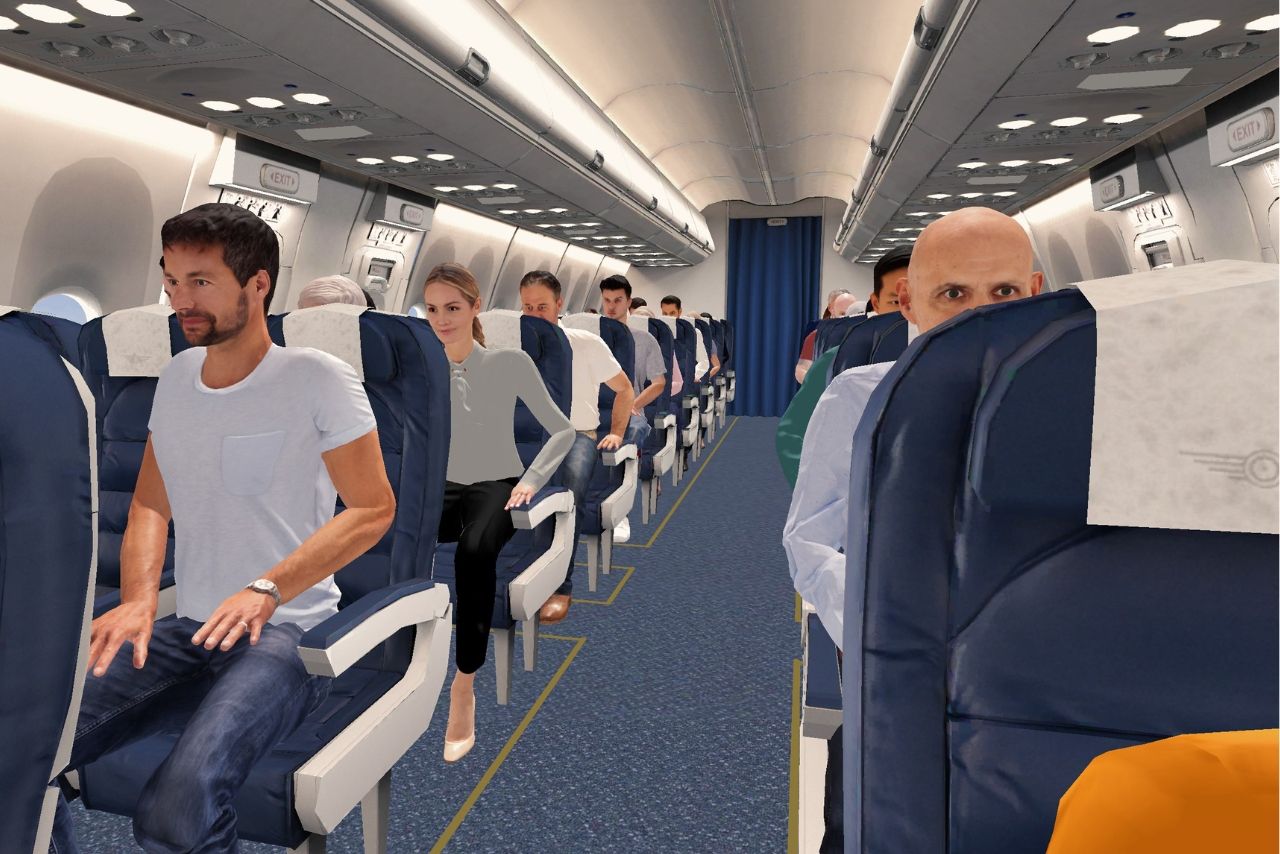
Aviophobia, the fear of flying, stems from a feeling of loss of control and often worsens with turbulence or confinement, causing sweating or palpitations. With virtual reality, practitioners can gradually expose patients to realistic boarding and flight scenarios, reducing anxiety and making air travel more manageable.
- +350
- facilities
- equipped
- +700
- practitioners
- trained
- +10
- years
- of expertise
- +25
- countries
- of deployment
About C2Care and aviophobia
What is aviophobia?
Aviophobia, or fear of flying, is an anxiety disorder linked to the feeling of losing control, often worsened by turbulence or confinement. It causes physical symptoms such as sweating or palpitations, since flying means placing one's safety in someone else's hands.
Virtual reality lets patients confront boarding and flight phases gradually, reducing anxiety and making air travel more bearable.
How it works
A Complete Solution for Treating Aviophobia
C2Care combines immersive virtual reality environments, a therapeutic platform, and personalized support to help practitioners guide patients through their fear of flying.

Headset & hardware
The C2Care headset immerses patients in realistic airport and cabin environments, recreating the situations that trigger aviophobia.

Therapeutic platform
Practitioners use the C2Care platform to design and monitor exposure sessions, adjusting each stage of the flight journey to the patient's progress.

Personalization
Every scene can be personalized, from checking in at the airport to takeoff, turbulence and landing, to match the patient's specific triggers.

Support
Camille, C2Care's assistant IA, supports patients throughout each exposure, offering encouragement without judgment.
How it works
How to Use C2Care for Aviophobia
- 1
Choose the environment
Select the airport or plane environment that matches the patient's fear, from check-in and security to boarding and flight phases.
- 2
Equip the patient
Fit the patient with the virtual reality headset so they can experience the chosen scene as if they were really at the airport or on board.
- 3
Adjust the exposure
Adjust the stimuli, such as turbulence, other passengers' behavior, or weather conditions, to gradually increase the difficulty of the exposure.
- 4
Support
Support the patient throughout the session, with Camille reinforcing positive thinking patterns and reducing catastrophic thoughts.

Environments
Environments Used to Treat Aviophobia
Each stage of a flight can be recreated in virtual reality, from arrival at the airport to landing.

Airport
Retrieving the boarding pass, going through security checks, verifying documents and heading toward the boarding gate: every step before boarding can be explored in virtual reality to reduce anticipatory anxiety.

Boarding and cabin
Presenting the ticket, walking through the corridors leading to the plane and finding a seat make up the core of the exposure, with virtual characters reproducing other passengers' looks and attitudes.
Takeoff and flight phases
The plane taxiing on the tarmac, taking off, turbulence and changing weather conditions can all be simulated to progressively desensitize patients to in-flight anxiety.
Landing
The landing procedure and the wait to disembark complete the exposure journey, allowing patients to work through anxiety at every stage of the flight.
Therapeutic applications
Disorders Often Associated with Aviophobia
Aviophobia can occur alongside other anxiety-related conditions that C2Care also addresses.
Claustrophobia
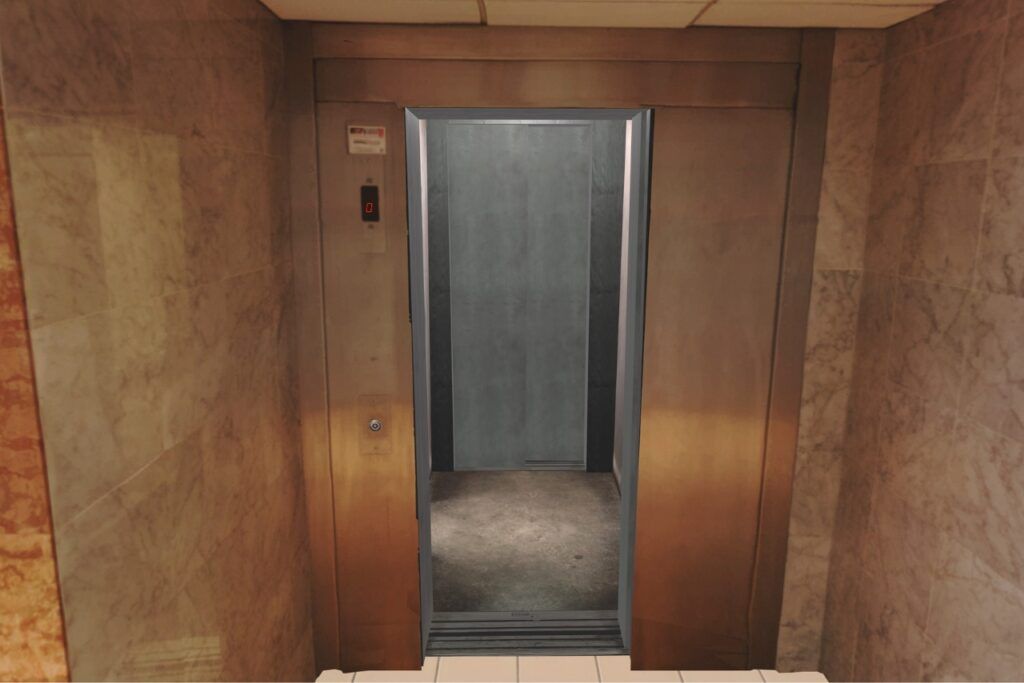
The confined space of an airplane cabin can trigger claustrophobia alongside aviophobia. C2Care's virtual reality environments recreate this confinement so patients can gradually habituate to the sensation of being enclosed, at their own pace.
 Learn more
 Agoraphobia
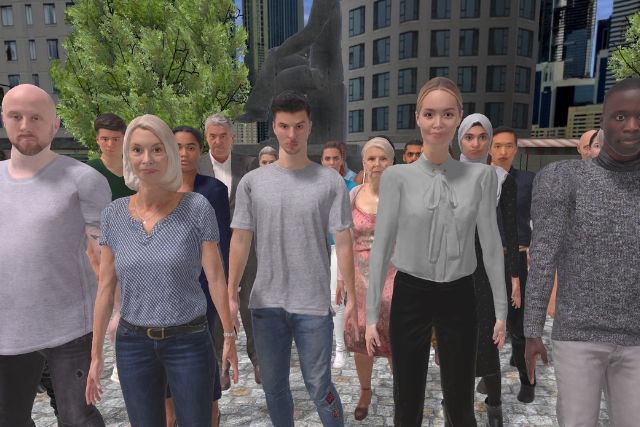
Crowded airports, security lines and boarding gates can be anxiety-inducing for patients with agoraphobia. Virtual reality exposure allows them to confront these crowded, open spaces progressively, in a controlled environment.
 Learn more
Success stories
Lives Changed Thanks to Our Method
Patients and practitioners share how C2Care helped them address the fear of flying.
Success stories
Why Choose C2Care?
+350
facilities
equipped
+700
practitioners
trained
+10
years
of expertise
+25
countries
of deployment
FAQ
Frequently Asked Questions About Aviophobia and Virtual Reality
Here are the answers to the most common questions practitioners and patients ask about treating aviophobia with virtual reality.
What is aviophobia?
Aviophobia, or fear of flying, is an anxiety disorder often linked to a loss of control and intensified by confinement or turbulence. It can cause physical symptoms such as sweating or heart palpitations, often related to feeling unable to control the situation.
How does virtual reality treat fear of flying?
Gradual exposure simulates the different stages of air travel: the airport, boarding, takeoff, turbulence and landing. Patients progressively face these anxiety-provoking situations in a controlled environment, helping reduce their anxiety.
Which stages of the journey can be simulated?
The practitioner can personalize each environment, including collecting the boarding pass, going through security, boarding, taxiing and takeoff, turbulence, landing and disembarkation. Each situation can be adjusted according to the patient’s needs.
Why is exposure inside the aircraft a key stage?
Boarding and being inside the aircraft are central parts of the exposure process, although airport scenes can already trigger anxiety. The behaviour of other passengers, including their expressions and attitudes, can be adjusted to recreate a variety of situations.
How is artificial intelligence used in the treatment?
The AI assistant Camille provides personalized, non-judgmental support throughout exposure sessions. Virtual characters also reproduce realistic social behaviours, such as those of other passengers on the aircraft.
Can I feel nauseous when using a virtual reality headset?
Yes, this can happen. This phenomenon is known as cybersickness and affects part of the population. It is reversible and can be reduced by starting with static environments before gradually introducing movement.
Can the C2Care method help with work-related flying?
Aviophobia can become a major obstacle for professionals who need to travel by air. Testimonials report a gradual return to business travel following virtual reality treatment with a psychologist.
What is the advantage of controlling the virtual environment for the practitioner?
The practitioner can precisely adjust the stimuli and tailor the environment to the patient’s needs. This level of control can reinforce the patient’s sense of safety and help them feel better able to face their fears.
Who can use virtual reality for treatment?
Virtual reality exposure therapy is used by practitioners, such as psychologists and psychiatrists, to support patients with anxiety disorders and phobias, including aviophobia, in a clinical setting.
What are the benefits for therapists using virtual reality?
Professional differentiation: integrating virtual reality can set a practice apart from traditional treatment options. Scientific validation: virtual reality exposure therapy is supported by extensive research, reinforcing its credibility. Improved patient engagement: the interactive nature of virtual reality can increase involvement in therapy. Time-saving: practitioners can access a variety of exposure environments without requiring external logistics.
Do I have access to all environments?
Access depends on the plan selected. C2Care’s catalog includes more than 250 environments covering aviophobia as well as other phobias and anxiety disorders.
Who should I contact in case of software issues?
The technical support team can be reached via live chat from your control panel. If there is a problem with the headset, the team can help diagnose the issue and, if necessary, provide a return label and replace defective equipment within 48 hours.
Which patients can benefit from virtual reality exposure therapy?
Virtual reality exposure therapy can provide therapeutic benefits across a wide age range. It can be used with adults, adolescents—who may show strong therapeutic engagement—and older adults, particularly for cognitive stimulation, behavioural disorders and anxiety. It is generally not recommended for people with epilepsy or during pregnancy.
How do I cancel my subscription?
You can contact the support team directly to manage or cancel your subscription.