
Virtual Reality Exposure Therapy
Structured exposure therapy in virtual reality for anxiety, addictions and eating disorders
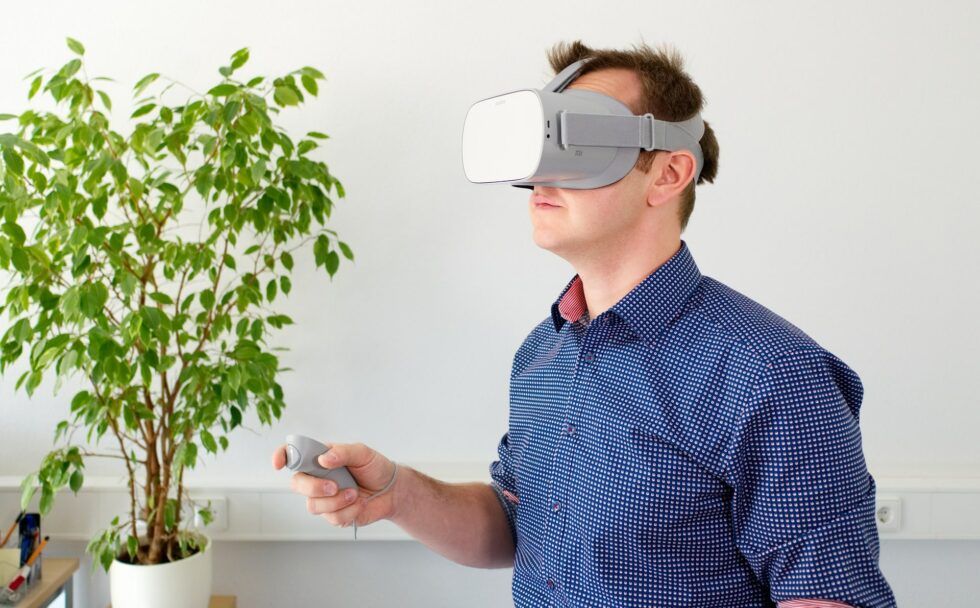
Virtual reality exposure therapies (VRET) apply the exposure principles of cognitive-behavioral therapy in a controlled setting. They give practitioners an alternative to imaginary or in vivo exposure for anxiety disorders, addictions and eating disorders. As a brief therapy, VRET focuses on the patient's current symptoms to deliver a targeted response to their distress.
- +350
- facilities
- equipped
- +700
- practitioners
- trained
- +10
- years
- of expertise
- +25
- countries
- of deployment
About C2Care and Virtual Reality Exposure Therapies
What are Virtual Reality Exposure Therapies (VRET)?
Virtual reality exposure therapies (VRET) apply cognitive-behavioral therapy's exposure principles in immersive, computer-generated environments. They give practitioners a scientifically grounded alternative to imaginary or in vivo exposure for treating anxiety disorders, addictions and eating disorders.
Exposure sessions immerse the patient in an ecological environment, under graduated and controlled conditions, to build habituation to anxiety-provoking situations and support cognitive-behavioral change.
How it works
A complete VRET solution built for practitioners
C2Care combines dedicated hardware, a therapeutic platform and clinical support to bring virtual reality exposure therapy into daily practice.

Headset & hardware
C2Care works with compatible wireless headsets (Oculus Quest 2, Pico Neo 2 & 3, Oculus Rift S, HP Reverb G2) or a browser-based setup, so practitioners can start exposure sessions without heavy technical investment.

Therapeutic platform
The platform gives access to a wide catalogue of immersive environments, letting practitioners expose patients to anxiety-provoking situations directly from their office.

Personalization
Each scene can be adjusted in real time (weather, crowd density, traffic or facial expressions) to match the patient's anxiety level and support graduated exposure.

Support
C2Care provides training on exposure principles in virtual reality, complemented by the assistant IA Camille, which supports the patient throughout the session without judgment.
How it works
How to use Virtual Reality Exposure Therapies
- 1
Choose the environment
The practitioner selects an environment suited to the patient's disorder, from airports and motorways to crowded public places or confined spaces, drawing on C2Care's catalogue of immersive scenes.
- 2
Equip the patient
The patient puts on a compatible wireless headset (Oculus Quest 2, Pico Neo 2 & 3, Oculus Rift S, HP Reverb G2) or connects through a browser-based setup, with no complex technical installation required.
- 3
Adjust the exposure
The practitioner adjusts the scene's parameters (weather, crowd, traffic, facial expressions) to build a graduated exposure adapted to the patient's anxiety response.
- 4
Support
Throughout the session, the assistant IA Camille and the virtual characters support the patient, reinforcing habituation and therapeutic engagement.

Environments
Environments used in VRET
C2Care's catalogue reproduces the situations patients fear most, without exposing them or the practitioner to real risk.

Airports and planes
Boarding gates and cabin scenes reproduce the key steps of a flight, avoiding the high cost of in vivo exposure for aviophobia.
More details Motorways and traffic
Driving scenes with adjustable traffic and weather conditions let practitioners work on amaxophobia without the risks of an in vivo session.
More details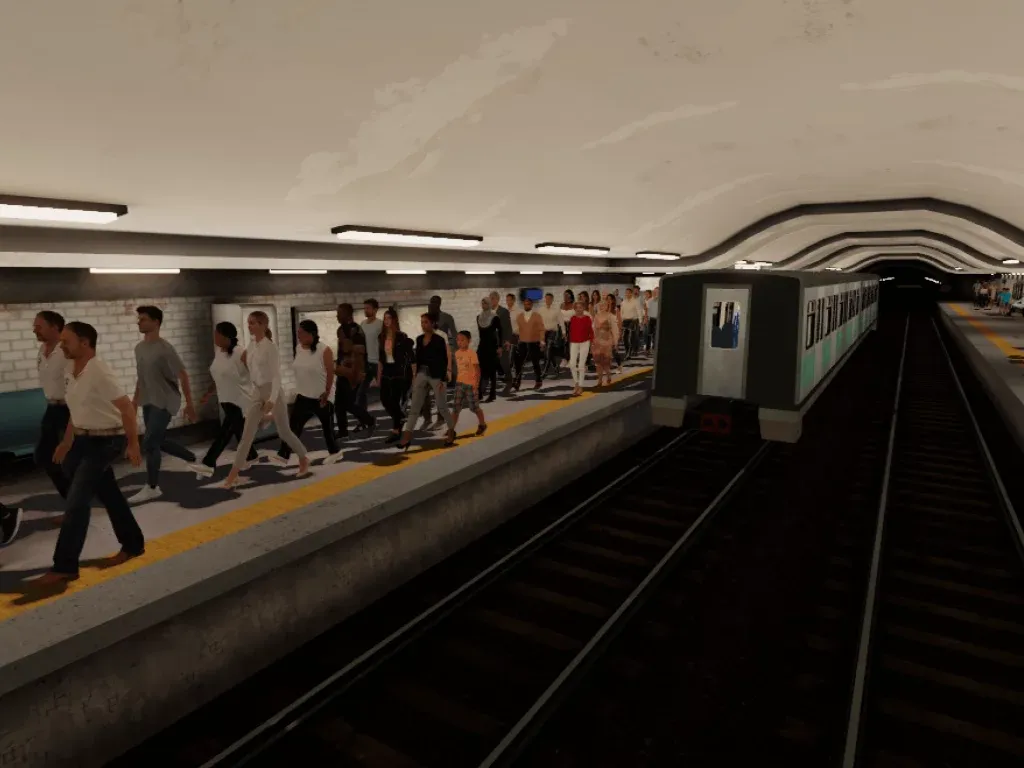
Crowded public places
Crowd density, movement and noise can be adjusted in real time, supporting graduated exposure for agoraphobia or social phobia.
More details
Public transport
Metro and bus environments, including low or high attendance settings, reproduce situations avoided by patients with agoraphobia or specific phobias.
More detailsTherapeutic applications
Which disorders can be treated with VRET?
Virtual reality exposure therapy covers a broad range of anxiety, addiction and eating disorders.
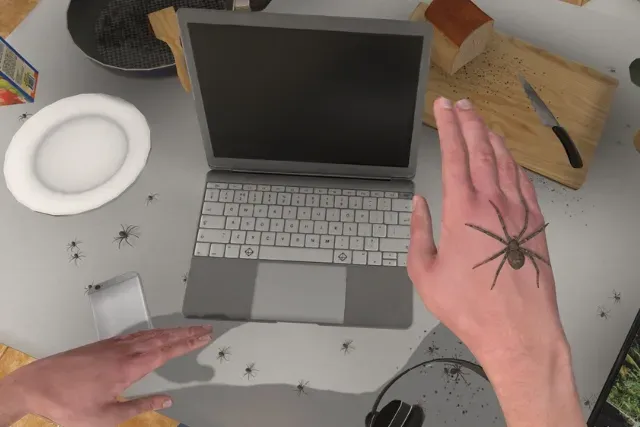
Specific phobias
Specific phobias, such as fear of spiders, wasps, heights or blood, respond well to exposure-based treatment. C2Care immerses the patient in a graduated sequence of anxiety-provoking scenes, allowing habituation to build session after session.
 Learn more
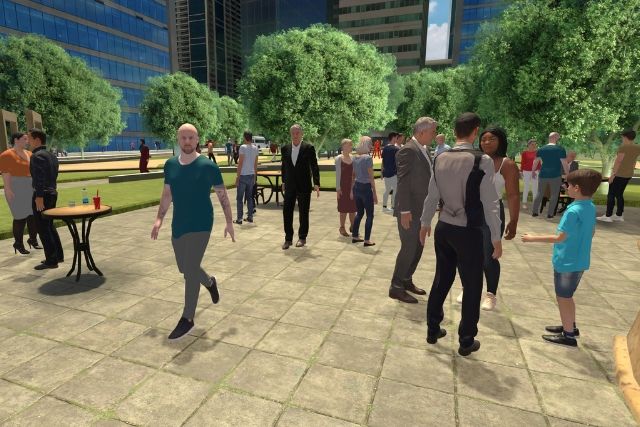
 Social phobia
Social phobia involves intense anxiety in social or performance situations. C2Care recreates contexts such as public speaking or a job interview, letting the patient rehearse under the practitioner's control.
 Learn more
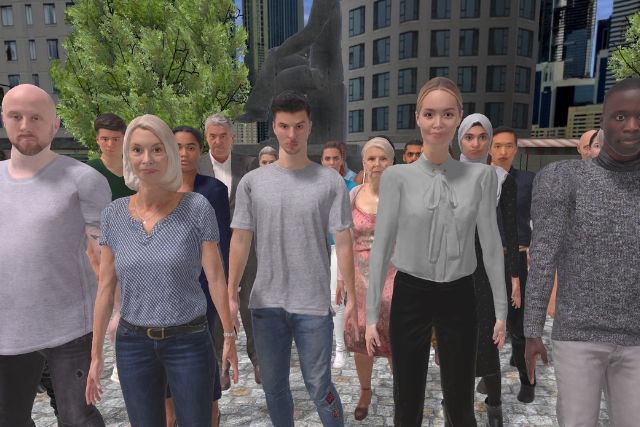
 Agoraphobia
Agoraphobia is marked by fear of crowded or open spaces. C2Care's environments reproduce public transport, crowds or open spaces, with adjustable density to support a graduated exposure.
 Learn more
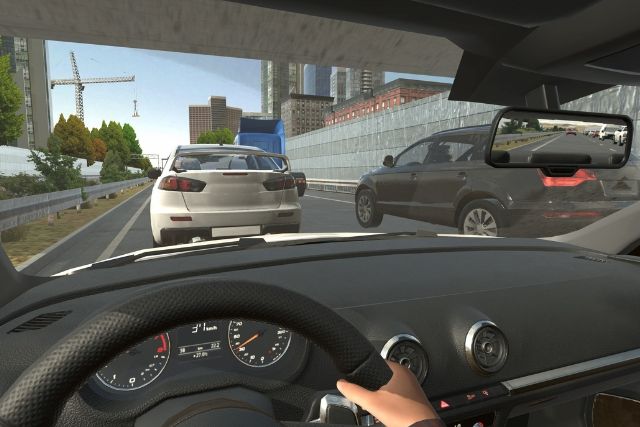
 Amaxophobia (fear of driving)
Fear of driving exposes both the patient and the practitioner to real danger during in vivo exposure. Virtual reality reproduces motorway and traffic situations safely, under the practitioner's control.
 Learn more
 Post-traumatic stress disorder
Virtual reality exposure therapy was first used with war veterans for post-traumatic stress disorder. C2Care's environments allow controlled re-exposure to trigger contexts, supporting the processing of the traumatic memory.
 Learn more
 Eating disorders
Anorexia, bulimia and hyperphagia involve dysfunctional thoughts about body image and food. C2Care's virtual environments work on these distorted beliefs alongside classical therapy.
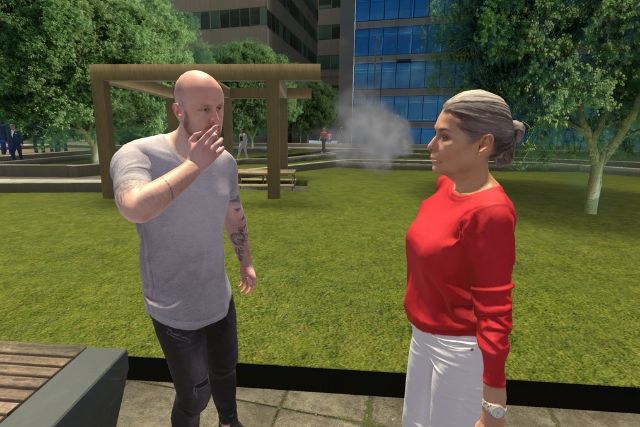
Addictions
Alcohol, tobacco, drug or gambling addictions involve craving triggered by specific contexts. C2Care exposes the patient to these contexts in a controlled setting to work on craving and relapse prevention.
 Learn more
 Depression
Depression can also be addressed with virtual reality, in complement to classical therapy, to support behavioral activation and engagement in care.

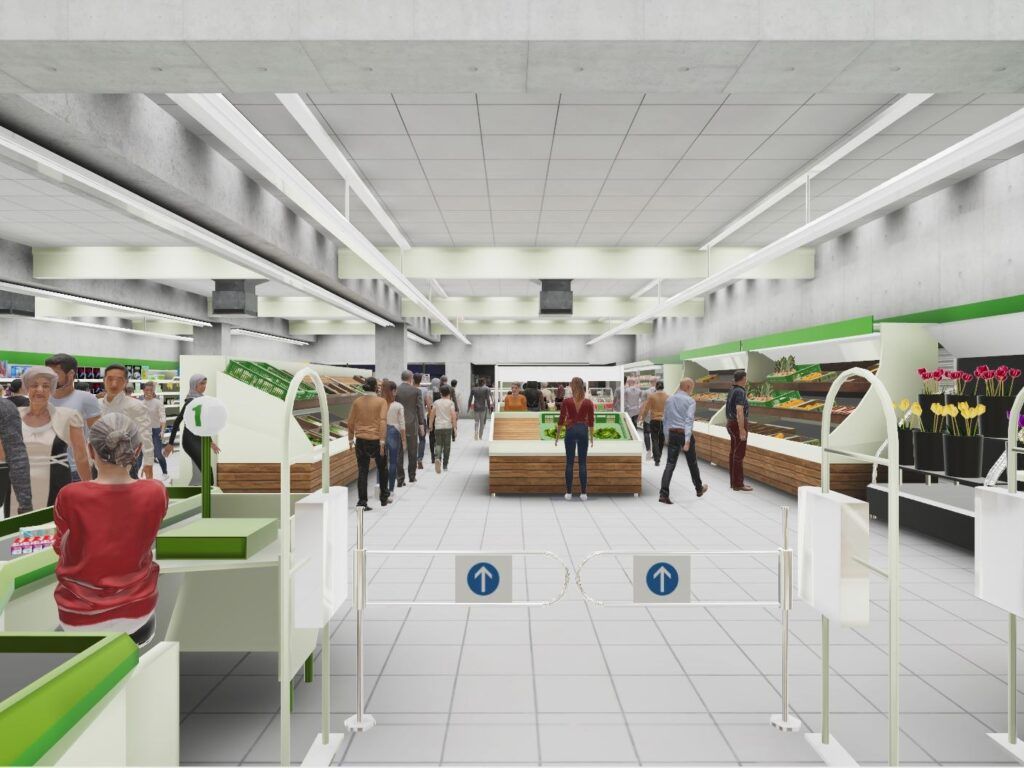
School phobia
School phobia is one of the anxiety disorders documented in the literature on virtual reality exposure. C2Care recreates classroom or school-related contexts to support graduated exposure in younger patients.
 Learn more
Success stories
Practitioner and patient feedback
Practitioners using C2Care share their experience of integrating virtual reality exposure therapy into daily practice.
Success stories
Why choose C2Care
+350
facilities
equipped
+700
practitioners
trained
+10
years
of expertise
+25
countries
of deployment
FAQ
Frequently asked questions about Virtual Reality Exposure Therapies
These questions address the practical, clinical and technical aspects of virtual reality exposure therapy (VRET).
How long has virtual reality exposure therapy existed?
The first scientifically validated VRET tests date back to 1992, when Atlanta Clark University protocolized an in virtuo treatment for aviophobia. Vietnam war veterans were among the first to access this technology for post-traumatic stress disorder.
Can virtual reality be dangerous?
The only risk linked to VRET is cybersickness, causing symptoms similar to travel sickness during or after exposure. It has no long-term consequences and affects around 10% of patients. VRET is strictly used for therapeutic purposes.
Who can use virtual reality for treatment?
Children, teenagers, adults and elderly people can be treated with VRET. Some restrictions apply: children under 4 years old, epileptic people, pregnant women (as a precaution, since no studies exist on this topic) and decompensating psychotic patients.
What pathologies can be treated with virtual reality?
VRET treats anxiety disorders (specific phobias, social phobia, agoraphobia, PTSD), eating disorders (anorexia, bulimia, hyperphagia), and addictions (alcohol, cigarettes, cocaine, marijuana, gambling). Depression, neurocognitive disorders, schizophrenia and autism can also be addressed.
What equipment is needed to practice VRET?
You need a virtual reality headset, either wireless (Oculus Quest 2, Pico Neo 2 & 3, Oculus Rift S, Hp Reverb G2) or wired. For wired headsets, a computer with a Core i5 9300H processor, 8GB RAM, a Gtx 1650 graphic card and a display port is required.
Can I feel nauseous while using the headset?
This is called cybersickness, a well-known and reversible phenomenon affecting part of the population. It's recommended to start with static environments, then gradually introduce slight head movements before moving to slow displacements.
What training is necessary to practice VRET?
Psychiatrists, psychologists, psychotherapists, nurses, psychomotor specialists, sophrologists and hypnotherapists can use VRET. Training is required to understand exposure principles in virtual reality; C2Care offers training, though therapists can also be trained through other means (events, e-learning).
What are the benefits of virtual reality for therapists?
Virtual reality helps therapists stand out from traditional treatment options and improves patient engagement thanks to its interactive nature. It also saves time by giving direct access to exposure environments without external logistics.
What are the benefits for therapists using virtual reality?
- Professional differentiation: integrating virtual reality into practice sets a therapist apart from traditional treatment options.
- Scientific validation: VRET is backed by extensive research, reinforcing its credibility as a treatment method.
- Improved patient engagement: the interactive nature of virtual reality fosters greater patient involvement in therapy.
- Time-saving: virtual reality gives direct access to exposure environments without external logistics.
Who should I contact in case of software issues?
C2Care's technical support team can be reached via live chat from your control panel. If an issue occurs with your headset, the team helps diagnose the problem and find a solution; if necessary, a return label is provided and the defective equipment is replaced within 48 hours.
What role does artificial intelligence play in VRET?
C2Care uses artificial intelligence through the assistant IA Camille and through virtual characters within the scenes. Camille acts as a trusted companion with whom the patient can share concerns without fear of judgment, while the virtual characters faithfully replicate real-life social behaviors in contexts such as a party, a date, a job interview or a spontaneous conversation in the street.
What pathologies can be treated in virtual reality?
Virtual reality treats anxiety disorders (specific phobias, social phobia, agoraphobia, post-traumatic stress disorder), eating disorders (anorexia, bulimia, hyperphagia and obesity) and addictions (alcohol, tobacco, cocaine, marijuana, gambling). It is also used for depression, neurocognitive disorders, schizophrenia and autism, as well as relaxation and pain management.