
Eating Disorders
Guide patients with eating disorders through virtual reality exposure
C2Nutri gives practitioners virtual reality scenarios to work on anorexia, bulimia, hyperorexia nervosa and obesity. Each scene targets the automatic thoughts and cognitive distortions linked to body image and food craving.
- +350
- facilities
- equipped
- +700
- practitioners
- trained
- +10
- years
- of expertise
- +25
- countries
- of deployment
About C2Care and eating disorders
What are eating disorders?
Eating disorders involve deviant eating practices with negative physical and psychological consequences. The DSM-5 identifies three main conditions: anorexia, bulimia and hyperorexia nervosa. Obesity is also considered a chronic disease linked to eating disorders, with significant psychological consequences.
C2Care's C2Nutri application treats these conditions through virtual reality scenarios developed with a scientific committee and medical partners.
How it works
A complete solution for eating disorders treatment
C2Nutri combines dedicated virtual reality scenarios with clinical guidance to address the psychological roots of eating disorders.

Headset & hardware
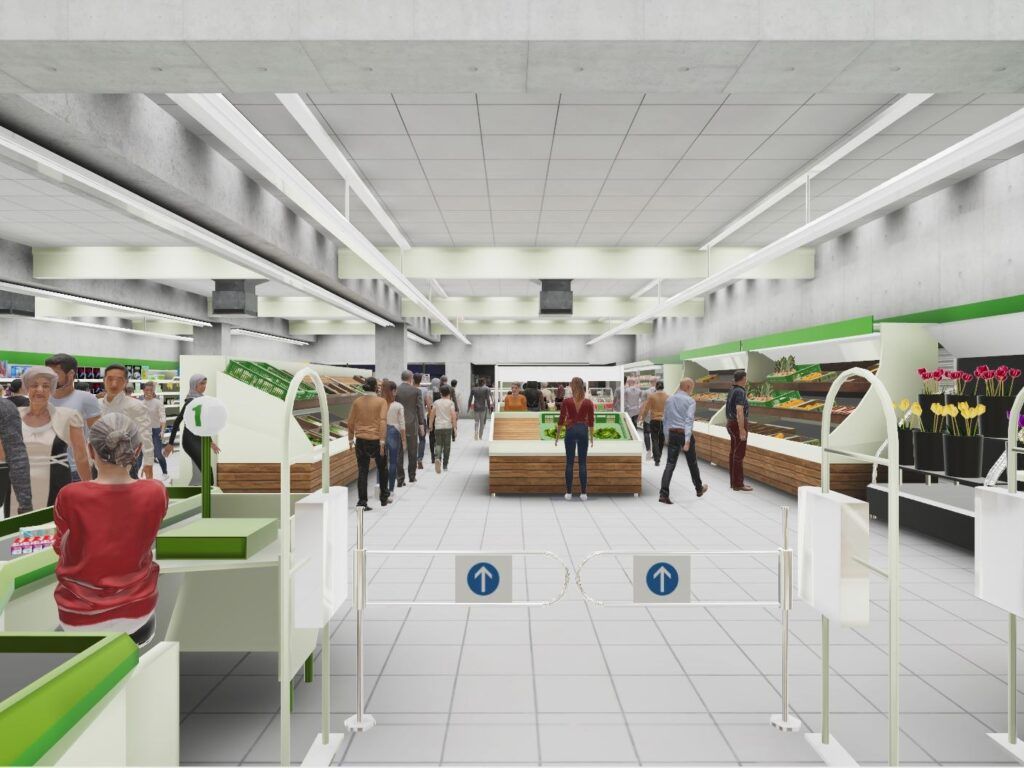
The headset immerses patients in realistic settings such as the supermarket, the fitting room or a shared apartment, recreating everyday situations linked to food and body image.

Therapeutic platform
The C2Nutri platform was developed with C2Care's scientific committee and medical partners to target the therapeutic goals and dysfunctional thoughts specific to anorexia, bulimia, hyperorexia nervosa and obesity.

Personalization
Practitioners can adjust each scenario, from appetizer stimuli to meal tray composition, to match the patient's disorder and progress.

Support
C2Nutri supports multidisciplinary follow-up, helping practitioners work jointly on body image, food craving and nutritional education.
How it works
How to use C2Nutri with your patients
- 1
Choose the environment
Select the scenario suited to your patient's needs: the supermarket, the apartment, appetizer stimuli, the fitting room, or the meal tray composition exercise.
- 2
Equip the patient
Fit the patient with the virtual reality headset and introduce the chosen environment before starting the exposure.
- 3
Adjust the exposure
Gradually increase exposure to food-related or body image stimuli, working on food craving and the patient's automatic thoughts about their body shape.
- 4
Support
Guide the patient through debriefing and nutritional education, reintroducing forbidden foods when relevant and reinforcing the multidisciplinary care plan.

Environments
Environments available in C2Nutri
C2Nutri recreates everyday situations linked to food and body image to support gradual exposure.
Supermarket
The supermarket scene exposes patients to a wide range of food stimuli, helping them work on food craving and automatic eating behaviours in a realistic, controlled setting.

Apartment
The apartment environment reproduces a familiar, everyday setting where patients can be exposed to food-related situations outside a clinical context.
Appetizer stimuli
This scene exposes patients to appetizer-related stimuli to increase food craving in a controlled way, allowing the practitioner to work on alternative coping strategies.
Fitting room
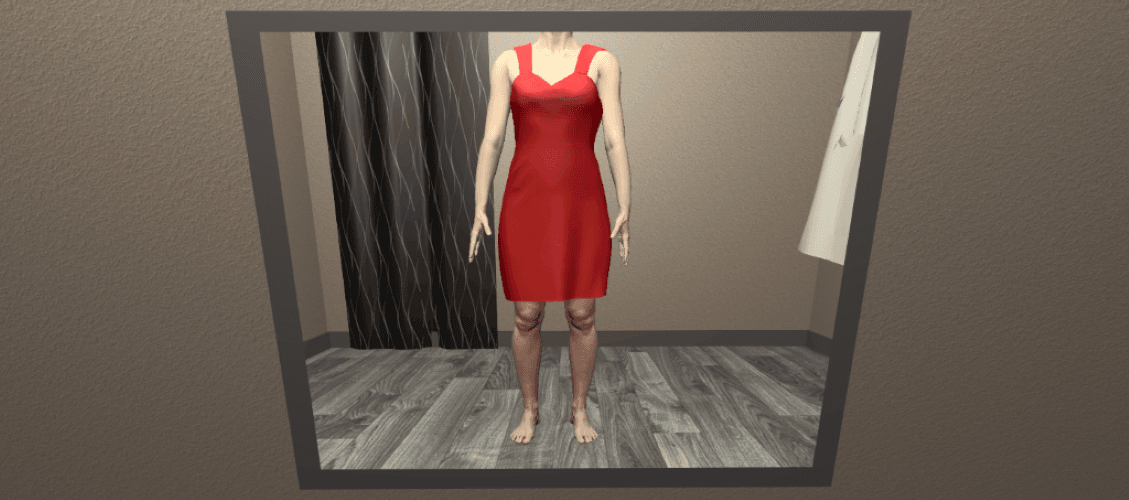
The fitting room scenario highlights automatic thoughts and cognitive and emotional distortions about body image, showing patients the gap between their perceived and real body shape.
Therapeutic applications
Which eating disorders does C2Nutri treat?
C2Nutri addresses the main pathologies identified by the DSM-5 as well as related body image disorders.
Anorexia nervosa
Anorexia nervosa is one of the three main eating disorders identified by the DSM-5. C2Nutri works on the patient's body image and dysfunctional thoughts, and the meal tray exercise helps reintroduce forbidden foods within a controlled virtual setting.
Bulimia nervosa
Bulimia nervosa involves recurrent binge eating episodes. C2Nutri exposes patients to food-related stimuli, such as appetizer stimuli or the supermarket, to help them build alternative strategies to reduce food craving.
Hyperorexia nervosa (binge eating)
Hyperorexia nervosa is treated in C2Nutri through scenes designed to work on food craving and automatic eating behaviours, reproducing everyday situations such as the apartment or the supermarket.
Obesity
Obesity is a chronic disease linked to eating disorders with psychological consequences. Virtual reality exposure has shown concrete results in decreasing food craving and supporting weight loss and long-term maintenance.
Dysmorphophobia
Dysmorphophobia refers to a distorted perception of one's own body shape. The C2Nutri shape test evaluates its severity, and the fitting room scenario helps patients see the gap between their perceived and real body shape.

Success stories
Practitioners' experience with C2Nutri
Discover how practitioners integrate C2Nutri into the multidisciplinary care of eating disorder patients.
Success stories
Why choose C2Care
+350
facilities
equipped
+700
practitioners
trained
+10
years
of expertise
+25
countries
of deployment
FAQ
Frequently asked questions about eating disorders and virtual reality
Find answers to the questions practitioners most often ask about using virtual reality to treat eating disorders.
Which eating disorders can C2Nutri help treat?
C2Nutri supports the treatment of anorexia, bulimia, binge-eating disorder and obesity. The scenes target therapeutic goals and dysfunctional thoughts specific to each condition.
How does virtual reality help with body dysmorphia?
The shape test assesses the severity of body dysmorphia and helps increase the patient’s awareness. The virtual fitting room highlights the difference between the patient’s perceived body shape and their actual body shape based on BMI.
How can food cravings be addressed using virtual reality?
Patients are exposed to different food-related stimuli, such as supermarkets, apartments and aperitif foods, to learn alternative strategies for managing cravings. Virtual reality recreates realistic situations to support this learning process.
Can C2Nutri be used for nutrition education?
Yes. Patients can create their own meal tray in a dedicated environment. This application helps improve nutritional knowledge and supports the reintroduction of foods avoided by patients with anorexia.
Can I feel nauseous while using the headset?
Yes, this can happen. This phenomenon is called cybersickness and is reversible. It is recommended to begin with static environments, such as relaxation scenes, then progress to slight head movements and eventually slow movement through the environment.
Who can benefit from virtual reality exposure therapy?
Virtual reality exposure therapy can be used across a broad range of age groups, including adults, adolescents and older adults, with documented therapeutic benefits. It is generally not recommended for people with epilepsy or during pregnancy.
Who should I contact if I have a problem with my software or headset?
Technical support is available via live chat from your control panel. If the equipment is faulty, a replacement can be arranged within 48 hours after the issue has been diagnosed.
Can I feel nauseous while using the headset?
Yes, this can happen. It is known as cybersickness, a well-documented phenomenon that affects part of the population. Fortunately, it is reversible. To adapt gradually, it is recommended to begin with fairly static environments, such as relaxation environments, then introduce slight head movements before progressing to slow movement. This allows the body to adjust to the sensation of movement in the headset while remaining physically still.
Who can use virtual reality for treatment?
Virtual reality can be used across a wide range of populations. Adolescents may particularly benefit from increased therapeutic engagement, while older adults can use it for cognitive stimulation, behavioural difficulties and anxiety reduction.
What are the benefits for therapists using virtual reality?
Virtual reality can help therapists differentiate their practice from traditional treatment options. It is supported by extensive scientific research, can improve patient engagement and provides direct access to a variety of exposure environments without requiring external logistics.
Who should I contact in case of software issues?
The technical support team can be reached via live chat from your control panel. If you experience an issue with the headset, the team can help diagnose the problem and find a solution. If necessary, a return label will be provided and defective equipment replaced within 48 hours.
Which patients can benefit from virtual reality exposure therapy for eating disorders?
Patients with anorexia, bulimia, binge-eating disorder or obesity can benefit from C2Nutri-based virtual reality exposure therapy as part of a multidisciplinary care pathway with their practitioner.