
Virtual reality therapy to break the isolation of seniors – Clinical study at the Nice University Hospital
The "Aging Well" project launched in January 2020 by the Nice University Hospital and supported by several sponsors and partners, aims to invent a model for aging well and the future of health care. In this context, the gerontology teams at Nice University Hospital and the company C2Care have set up a clinical study integrating virtual reality, with personalized immersive content.
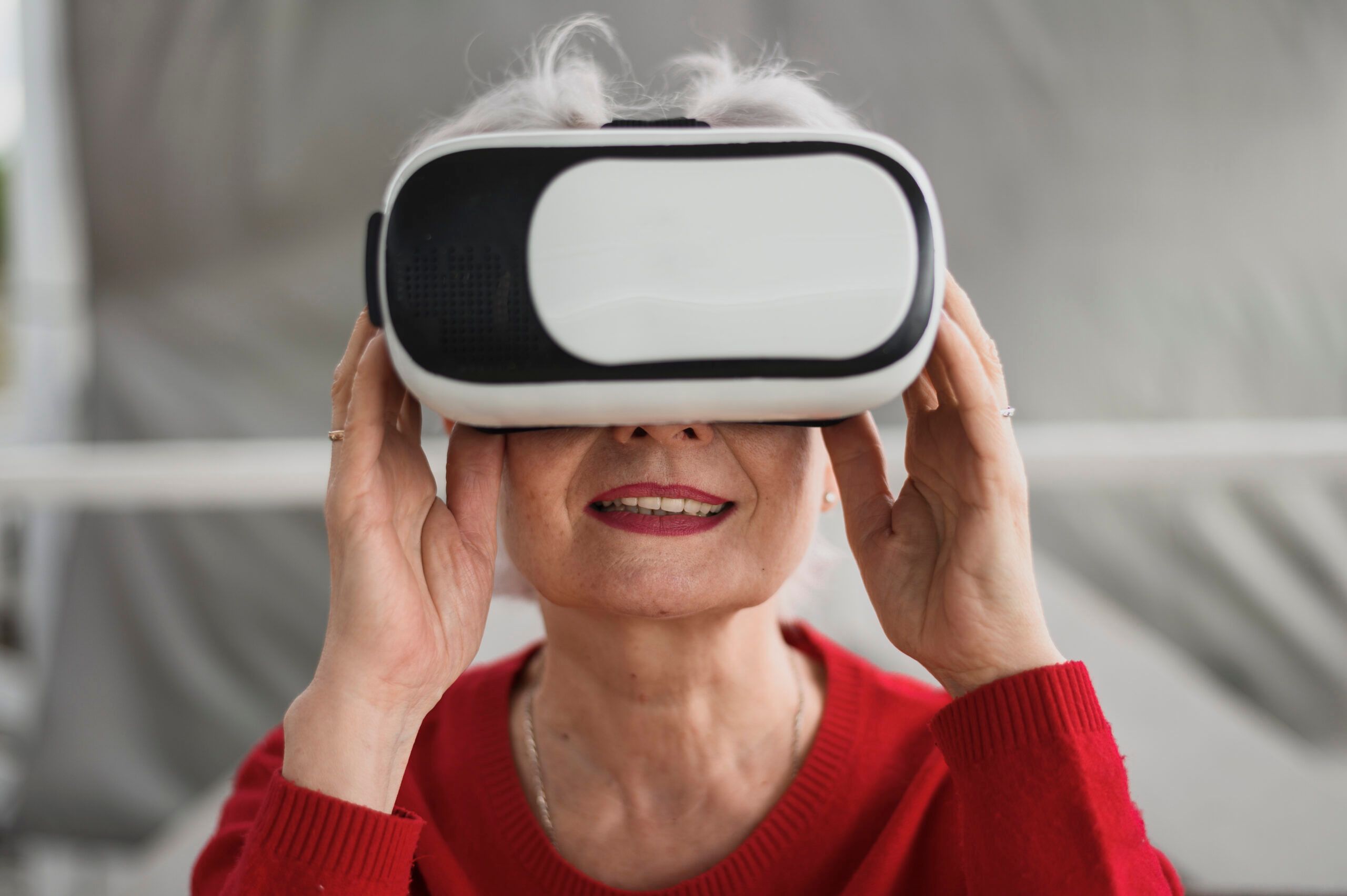
Key takeaways
- The "Aging Well" project (Nice University Hospital, with C2Care) tests virtual reality reminiscence therapy for EHPAD residents with mild to moderate cognitive disorders.
- Personalized immersive films based on residents' life history are compared to neutral films to measure the impact on mood.
- Goals: improve mood, reduce psychotropic drug prescriptions, and gather positive feedback from residents and families.
- Duration: 15 months; participants aged 65 or older; 13 of a planned 30 residents enrolled by September 2021.
- Resident feedback, including from Mrs. J at EHPAD Cimiez, has been encouraging.
THE RESEARCH TEAM HOPES THAT THE PROTOCOL WILL
The "Aging Well" project launched in January 2020 by the Nice University Hospital and supported by several sponsors and partners, aims to invent a model for aging well and the future of health care. In this context, the gerontology teams at Nice University Hospital and the company C2Care have set up a clinical study integrating virtual reality, with personalized immersive content.
Reminiscence triggered by virtual reality could have a positive impact on the mood of EHPAD residents with mild to moderate cognitive disorders, common symptoms of Alzheimer's disease. Alzheimer's disease and related diseases reduce the quality of life of the patient and often lead to mood disorders (depression, apathy and anxiety disorders). Moreover, the isolation linked to the health crisis has accentuated these disorders. Reminiscence therapy (RT) is part of the psycho-social therapies recommended by the High Authority for Health (HAS, of 2015). Virtual reality therapy is a new approach used in gerontology in various indications (cognitive training, fall prevention, diagnostic assistance). It constitutes an interesting and innovative support thanks to its immersive specificities. Virtual reality can also be used therapeutically to stimulate autobiographical memory in the elderly.
This pilot study will allow us to answer the question, "Can virtual reality be useful in EHPAD to reduce mood disorders in residents in mild to moderate stages of illness?"
The Nice University Hospital study includes EHPAD residents in two groups. Each participant benefits from virtual reality exposure sessions. The first group exposes the residents to personalized films based on the salient elements of their life history. The second group offers neutral exhibitions. Residents are randomly assigned to these groups.
- Improve participants' mood (quantified by clinical scales)
- To reduce the prescription of psychotropic drugs
- To get positive feedback from residents, care teams and families
- To observe more reminiscences in the personalized video group compared to the neutral group.
If the results of the study are conclusive, the Nice University Hospital and C2Care teams will demonstrate that virtual reality therapy can be considered as a non-drug therapy of choice in routine geriatric care.
For Cassandra Quin, psychologist specialized in gerontology in charge of the Reminiscences and Emotions project: "The interest of this research protocol lies in the personalization of the videos. It is not simply a virtual reality session… We offer a possibility to the residents, in a context of health crisis, to go back to places or memories that they know and have invested emotionally when they can no longer move outside the EHPAD."
The feedback from the residents is very encouraging, like that of Mrs. J (91 years old) resident at the EHPAD of Cimiez. She mentions the pleasure of being able to participate twice a week in virtual reality sessions. The feeling of loneliness, particularly present during this health crisis, is reduced thanks to the exposure to personalized films. On the subject of virtual reality, Mrs. J emphasizes: "This experience is great! It's new and I'm very happy to do this with you!"
THE CLINICAL STUDY IN FIGURES
- Total duration of the study: 15 months
- Duration of the inclusion phase: 12 months
- Duration of participation for a patient: 6 weeks
- Protocol started on December 02, 2020
- Number of inclusions in the EHPAD-USLD of the Cimiez hospital of the CHU of Nice and in the EHPAD Clos de Cimiez on 09/08/2021: 13 residents.
- Minimum age of participants: 65 years or older
- The project plans to include 30 residents
Press release of September 20, 2021.
The interest of this research protocol lies in the personalization of the videos. It is not simply a virtual reality session… We offer a possibility to the residents, in a context of health crisis, to go back to places or memories that they know and have invested emotionally when they can no longer move outside the EHPAD.
The AI revolution !
Try our artificial intelligence for free and discover how it can support you in your daily life.

Frequently Asked Questions about Senior Isolation and Virtual Reality
What is the goal of the "Aging Well" study at Nice University Hospital?
Launched in January 2020, the "Aging Well" project explores virtual reality as a non-drug therapy for elderly residents. The clinical study, run with C2Care, tests personalized immersive content to assess its impact on mood and isolation in EHPAD residents with mild to moderate cognitive disorders.
How does virtual reality help reduce isolation among elderly residents?
Personalized films based on a resident's own life history trigger reminiscence during virtual reality sessions. This reduces the feeling of loneliness, particularly during health crises, by allowing residents to revisit places and memories they cannot access physically anymore. Feedback from participants has been encouraging.
What is reminiscence therapy in virtual reality?
Reminiscence therapy uses personalized immersive content to stimulate autobiographical memory in elderly patients. It is a psycho-social therapy recommended by the French High Authority for Health (HAS, 2015) and may positively affect mood in residents with mild to moderate cognitive disorders linked to Alzheimer's disease.
How many residents took part in the clinical study?
As of 09/08/2021, 13 residents from the EHPAD-USLD of Cimiez hospital and EHPAD Clos de Cimiez had been included. The project plans to include 30 residents overall, aged 65 or older, assigned randomly to a personalized or neutral video group.
How long does the clinical study last?
The study runs over 15 months in total, including a 12-month inclusion phase. Each participating resident takes part for 6 weeks. The protocol started on December 2, 2020, at Nice University Hospital, in collaboration with C2Care.
What results does the research team hope to observe?
Researchers expect the protocol to improve participants' mood, measured with clinical scales, and to reduce the prescription of psychotropic drugs. They also hope for positive feedback from residents, care teams and families, and more reminiscences in the personalized video group than in the neutral group.
Can elderly patients feel nauseous while using a virtual reality headset?
This can happen and is known as cybersickness, a reversible phenomenon affecting part of the population. Starting with static environments, such as relaxation scenes, and progressing to slight then slow head movements helps the body adapt to the sensation of movement.
Which conditions in elderly patients can virtual reality address?
Study results encourage using virtual reality with elderly patients to work on cognitive stimulation, behavioral disorders and anxiety. However, people with epilepsy and pregnant individuals are not advised to undergo this type of therapy, regardless of age group.
Author
C2Care
Related articles
Virtual reality and social skills training with researchers from the University of Aix-Marseille.
Doctoral student in psychology at the Social Psychology Laboratory of the University of Aix-Marseille, I work with Dr Del-Monte, Mrs Fauvarque, and Pr Graziani on virtual reality in the therapeutic context. In this context, I have the pleasure to work for 3 years with C2Care. The plurality and customization of the environments allowed me to have the freedom to direct my research in the desired direction without technological barriers. Virtual reality no longer has to prove its effectiveness in the therapeutic field.

Depression in the elderly
Recent years have seen a huge uptick in the use of VR in geriatrics. As Mathias et al reported in a 2019 review of the literature, VR has become an effective tool in screening for and treating cognitive impairment, while it has also found uses in the treatment of Alzheimer's Disease. The use of VR in treating mood disorders and other forms of depression in the elderly has lagged behind, but there are reasons to believe that it will be the next frontier in treating mental health disorders among American seniors. VR has been used with great success in treating ADHD, anxiety, and depression among teens and younger people, leading many geriatrics specialists to see exciting potential for older age groups. So let's look in more detail about how the technology could be applied, and the kind of benefits seniors can anticipate.

Formavenir, C2CARE and AP-HP revolutionize caregiver training with virtual reality and are finalists for the Sante Expo 2020 Innovation Awards
The union of 3 experts to give birth to Soignants Ré.V: modules of formation by simulation of the serious game type using the immersive capacity of virtual reality to work on the soft skills of caregivers in the management of pain or aggressiveness of their patients.

My child is afraid to go back to school
Parents and guardians currently considering choices when it comes to reopening schools during the height of a deadly epidemic may have an additional challenge: children who are afraid to return to the classroom. Feelings of restlessness are common and anticipated in times of change or transition. This is especially true for children and adolescents returning to school or for children entering kindergarten for the first time. This transition can be painful and challenging for the whole family! Before the first day of school, the nervous child may cry, cling, complain of stomachaches or headaches, be grumpy, become moody or irritable, and become withdrawn. Whenever children attend VR therapy, they first learn coping skills that help them stay calm in stressful situations. Once they are satisfied with these approaches, they move on to virtual reality therapy. They view computer-generated environments and use avatars to experience relationships with other youth and adults.
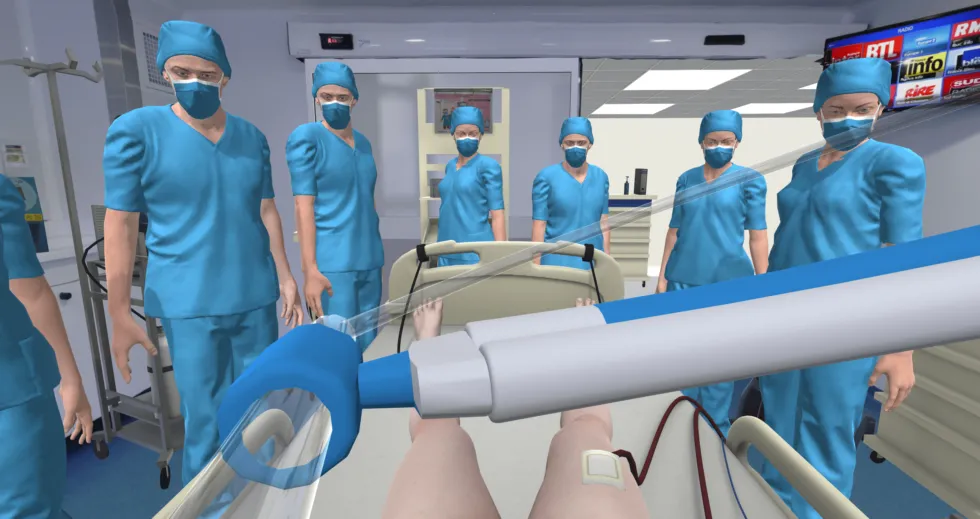
World premiere, Virtual Reality takes part in Pulmonary Transplantation procedure
For the first time in the world, a patient on the lung transplant list will be able to benefit from therapeutic virtual reality sessions to prevent post-operative psychological trauma, thanks to a groundbreaking partnership between C2Care and AP-HM (Public Assistance – Hospitals of Marseille).

VIRTUAL REALITY AND HYGIENE: PROTECTING YOUR PATIENTS DURING YOUR VIRTUAL REALITY SESSIONS
For several months, the entire world has been facing the Covid-19 epidemic, causing concern and anxiety among the general population. This has resulted in not only the risk of death due to the viral infection but also significant psychological pressure. Following government measures, particularly quarantine, individuals' daily lives and habits have been disrupted. Several recent studies have highlighted the impact of these changes on individuals' mental health, causing an increase in depressive and anxious symptoms and substance use disorders, among other issues. Given the psychological difficulties the population is facing, mental health professionals are at the forefront to provide psychotherapeutic care. The intervention of these professionals is especially crucial for at-risk populations: the elderly, who are often more socially isolated, those with psychiatric disorders, and those suffering from depression, anxiety, and substance use. However, the threat of a second pandemic wave is real, which is why adherence to health and hygiene rules is crucial.