
World premiere, Virtual Reality takes part in Pulmonary Transplantation procedure
For the first time in the world, a patient on the lung transplant list will be able to benefit from therapeutic virtual reality sessions to prevent post-operative psychological trauma, thanks to a groundbreaking partnership between C2Care and AP-HM (Public Assistance – Hospitals of Marseille).
Key takeaways
- First worldwide partnership between C2Care and AP-HM to bring virtual reality into a lung transplantation pathway.
- Patients follow habituation therapy before surgery to prevent post-operative psychological trauma.
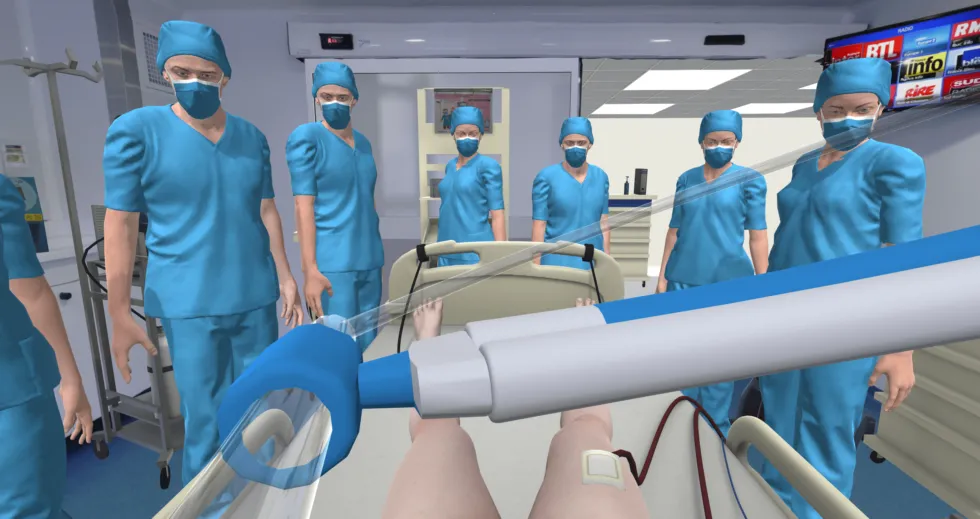
- A C2Care 3D scan reproduces the intensive care room identically to prepare the patient's awakening.
- Target outcome: a 30% reduction in post-operative anxiety.
- AP-HM performs around 50 lung transplants per year; 25 patients will test this system, before a planned extension to 400 patients in France and 8,000 worldwide.
ARTICLE WRITTEN BY C2CARE
February 24, 2020
For the first time in the world, a patient on the lung transplant list will be able to benefit from therapeutic virtual reality sessions to prevent post-operative psychological trauma, thanks to a groundbreaking partnership between C2Care and AP-HM (Public Assistance – Hospitals of Marseille).
1st in France : virtual reality at the service of patients' health
C2Care, a Toulon-based startup created in 2015, is positioned in the virtual reality therapy segment. The software offered by the startup is now used by 600 health professionals.
Dr. Benjamin COIFFARD, pulmonologist at the AP-HM and Dr. François MALTESE, psychologist at the AP-HM, have teamed up with C2Care for a new preventive technique whose objective is to prevent the occurrence of psychological disorders frequently encountered, in the short and medium term, after transplantation.
"Hyper-immersion" to avoid psychological trauma
This preventive method is intended for patients who receive a lung transplant. Following surgery, the awakening is excessively violent in the aggressive environment of the intensive care unit. These consequences can lead to post-operative complications and psychological trauma, including anxiety and depression. C2Care, in collaboration with the AP-HM, proposes to mitigate these medical and psychological risks thanks to virtual reality sessions prior to the operation, called "habituation therapy".
"For patients, the risk of psychological pathology is a posteriori. We thus use habituation therapy in order to expose them in a progressive and immersive way to the environment with which the patient will be confronted". Doctor MALTESE.
What's new : the C2Care 3D scanner
This new technology will allow scanning (360° digital images) an environment, in this case a resuscitation box, and thus reproduce it identically. The 3D scanner reconstitutes in the smallest details, the box such as the patient will see it at his awakening after transplantation. These images will then be displayed in a virtual reality headset. These sessions (3 sessions of 45 minutes) will allow the patient, accompanied by a psychologist, to apprehend the environment of the intensive care unit as he will discover it upon his awakening, in a real and immersive way in order to limit the potentially anxiety-provoking consequences of the stay in the intensive care unit.
"We hope to achieve a 30% reduction in patient anxiety in the post-operative situation" Doctor COIFFARD
An arrival on the market in early 2020
Currently in development, this innovation will move into a test phase in the coming months. C2Care hopes to put it into practice before the end of 2019. The AP-HM performs about 50 lung transplants per year and 25 patients will be randomly selected to receive a preventive therapy using virtual reality. In the long term, C2Care could provide this unique solution to 400 lung transplant patients in France and 8,000 worldwide. This preventive therapy could also be adapted to all types of medical and surgical procedures.
This scientific project is financially supported by the research department of the AP-HM and by the association Maryse Pour la Vie, with the support of the Intensive Care and Resuscitation Service of Pr. PAPAZIAN, the Pneumology Department of Rare Respiratory Diseases, Cystic Fibrosis, of Pr. M. REYNAUD-GAUBERT, and the Thoracic Surgery and Esophageal Diseases Department of Pr. P. THOMAS.
For patients, the risk of psychological pathology is a posteriori. We thus use habituation therapy in order to expose them in a progressive and immersive way to the environment with which the patient will be confronted.
We hope to achieve a 30% reduction in patient anxiety in the post-operative situation.
Create a free C2Care account
Get more information and try out a scene incorporating artificial intelligence directly online.

Start your journey today
Try C2Care's immersive environments for free, on your own or with a practitioner.
Frequently Asked Questions about Pulmonary Transplantation and Virtual Reality
What is habituation therapy in this lung transplant program?
Habituation therapy exposes patients gradually to the intensive care environment they will wake up in after transplantation. Doctor Maltese explains it lets practitioners immerse patients progressively in that setting before surgery, reducing the risk of post-operative psychological trauma such as anxiety or depression.
How does the C2Care 3D scanner work?
The C2Care 3D scanner captures 360° digital images of an environment, here an intensive care box, and reconstitutes it identically. These images are then displayed in a virtual reality headset so patients can view the exact space they will wake up in after surgery.
How many virtual reality sessions are planned before surgery?
The program plans three sessions of 45 minutes each. A psychologist accompanies the patient throughout, helping them apprehend the reconstituted intensive care environment before they actually wake up in it after transplantation surgery.
What results does the AP-HM team expect from this therapy?
Doctor Coiffard, pulmonologist at AP-HM, hopes to achieve a 30% reduction in patient anxiety in the post-operative situation. This objective is specific to the pilot program combining virtual reality habituation therapy with lung transplantation care at AP-HM.
Which patients will take part in this pilot program?
AP-HM performs about 50 lung transplants per year. For this pilot, 25 patients on the transplant list will be randomly selected to receive the preventive virtual reality therapy alongside standard post-operative care.
Could this preventive therapy be used for other surgical procedures?
Yes. C2Care indicates this preventive therapy could be adapted to all types of medical and surgical procedures. In the long term, the company envisions extending it to around 400 lung transplant patients in France and 8,000 worldwide.
When will this virtual reality program become available?
The program was in development in early 2020, moving into a test phase in the following months. AP-HM's Intensive Care and Pneumology departments, alongside Thoracic Surgery, support the project, financed by AP-HM's research department and the association Maryse Pour la Vie.
How does the AI assistant Camille support patients during therapy?
Camille, C2Care's AI assistant, offers support as a trusted companion patients can confide in without fear of judgment. Virtual characters within the scenes faithfully replicate real-life social behaviors, letting patients interact in everyday contexts such as a party, a date or a job interview.
Author
C2Care
Related articles
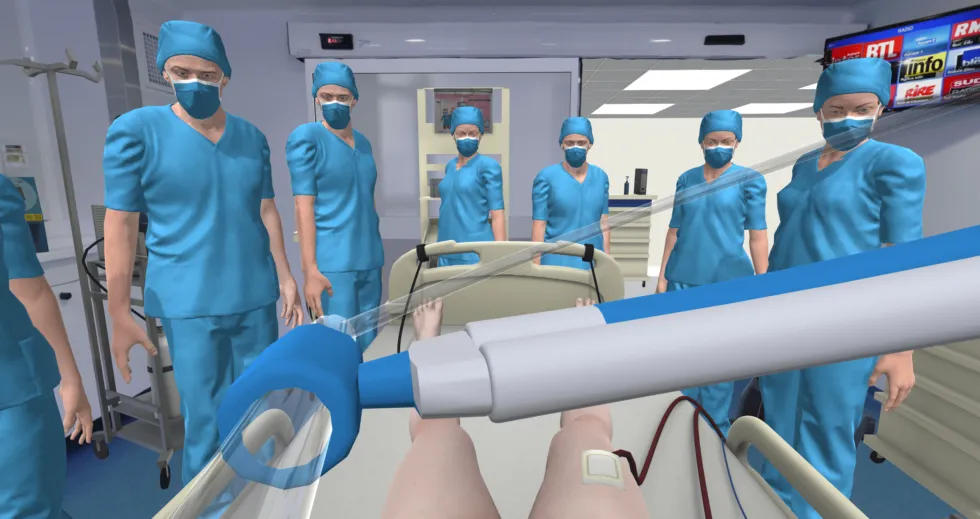
C2Care at the service of intensive care patients
C2Care collaborated with the Hôpital Nord de Marseille (AP-HM) as well as with Maryse Pour la Vie to prepare patients for their stay in the ICU following lung transplantation surgery. The very first patient to have contributed to this study was exposed before her operation. The results obtained are very positive.
Formavenir, C2CARE and AP-HP revolutionize caregiver training with virtual reality and are finalists for the Sante Expo 2020 Innovation Awards
The union of 3 experts to give birth to Soignants Ré.V: modules of formation by simulation of the serious game type using the immersive capacity of virtual reality to work on the soft skills of caregivers in the management of pain or aggressiveness of their patients.

VIRTUAL REALITY AND HYGIENE: PROTECTING YOUR PATIENTS DURING YOUR VIRTUAL REALITY SESSIONS
For several months, the entire world has been facing the Covid-19 epidemic, causing concern and anxiety among the general population. This has resulted in not only the risk of death due to the viral infection but also significant psychological pressure. Following government measures, particularly quarantine, individuals' daily lives and habits have been disrupted. Several recent studies have highlighted the impact of these changes on individuals' mental health, causing an increase in depressive and anxious symptoms and substance use disorders, among other issues. Given the psychological difficulties the population is facing, mental health professionals are at the forefront to provide psychotherapeutic care. The intervention of these professionals is especially crucial for at-risk populations: the elderly, who are often more socially isolated, those with psychiatric disorders, and those suffering from depression, anxiety, and substance use. However, the threat of a second pandemic wave is real, which is why adherence to health and hygiene rules is crucial.
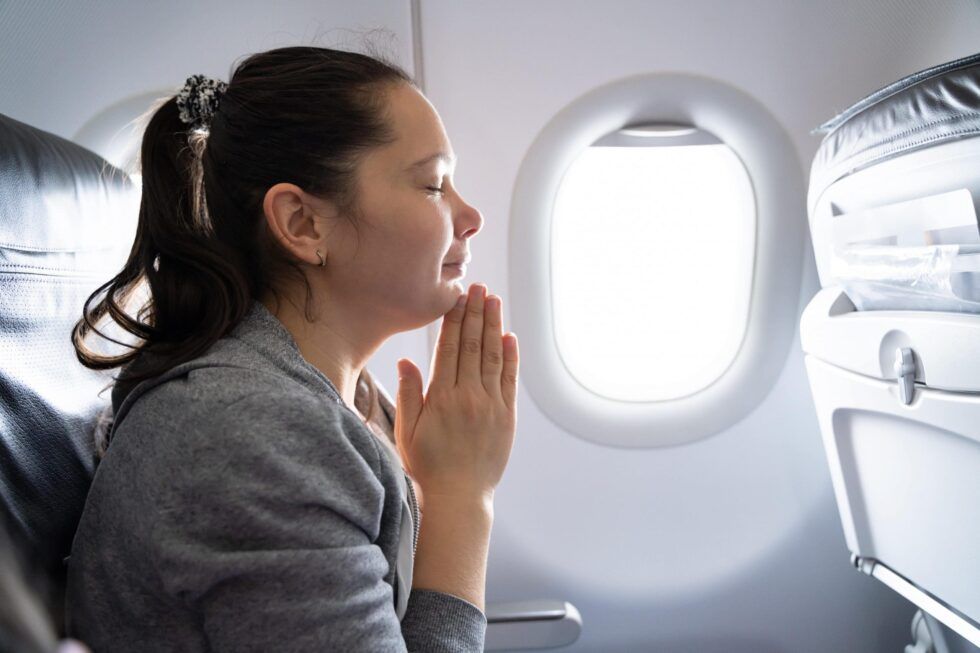
What is a phobia ?
Phobos is the embodiment of fear, he followed his father on the battlefield. The panic fear that he triggered at the mere sight of him translates what a person feels when confronted with the object of his fear. There are many phobias and some are better known than others, among them, agoraphobia and claustrophobia. On the other hand, aviophobia is less so, even though it affects many people who also dream of discovering fine sandy beaches.
Virtual reality therapy to break the isolation of seniors – Clinical study at the Nice University Hospital
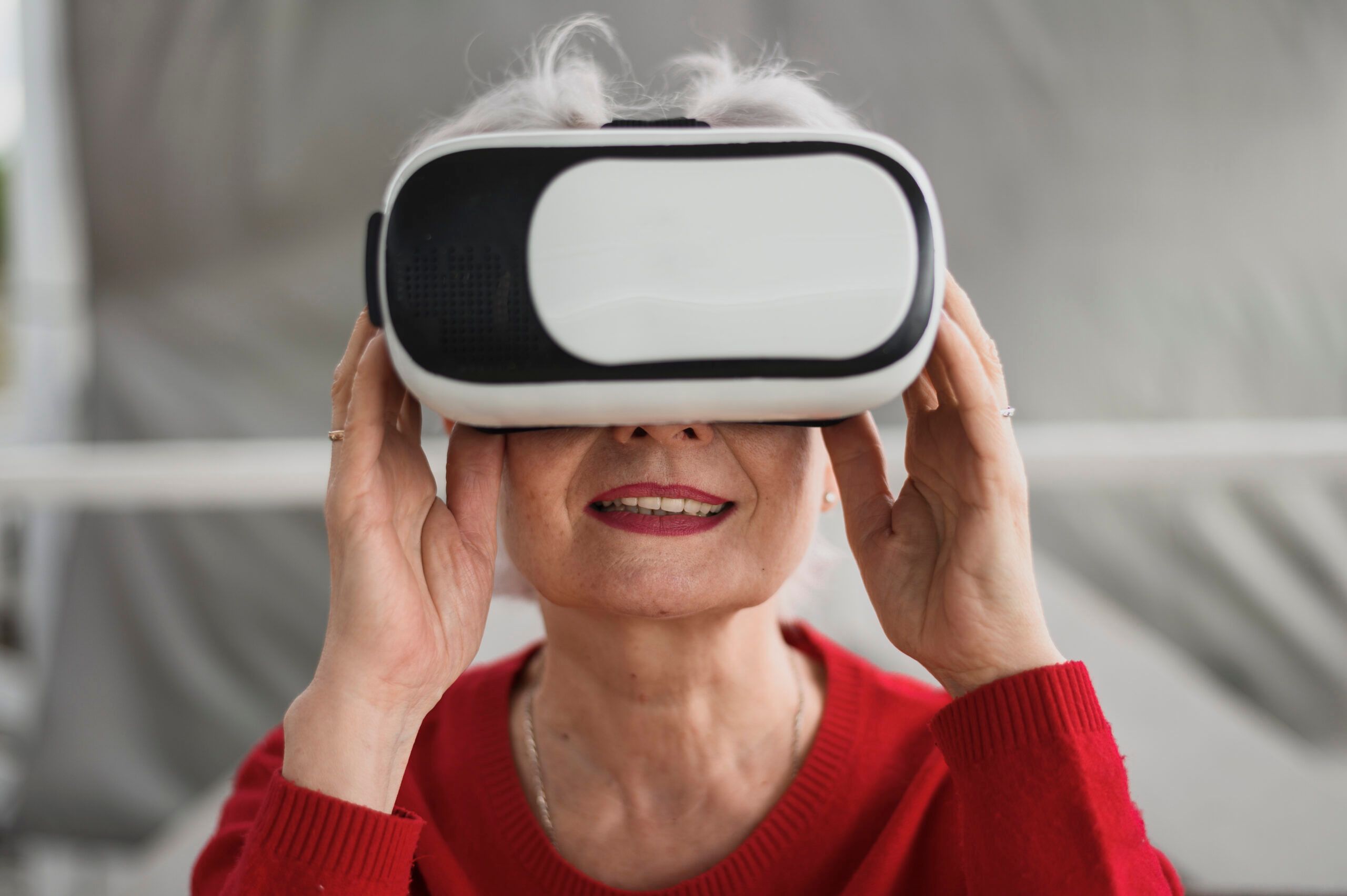
The "Aging Well" project launched in January 2020 by the Nice University Hospital and supported by several sponsors and partners, aims to invent a model for aging well and the future of health care. In this context, the gerontology teams at Nice University Hospital and the company C2Care have set up a clinical study integrating virtual reality, with personalized immersive content.
How is Covid-19 impacting on Mental Health ?
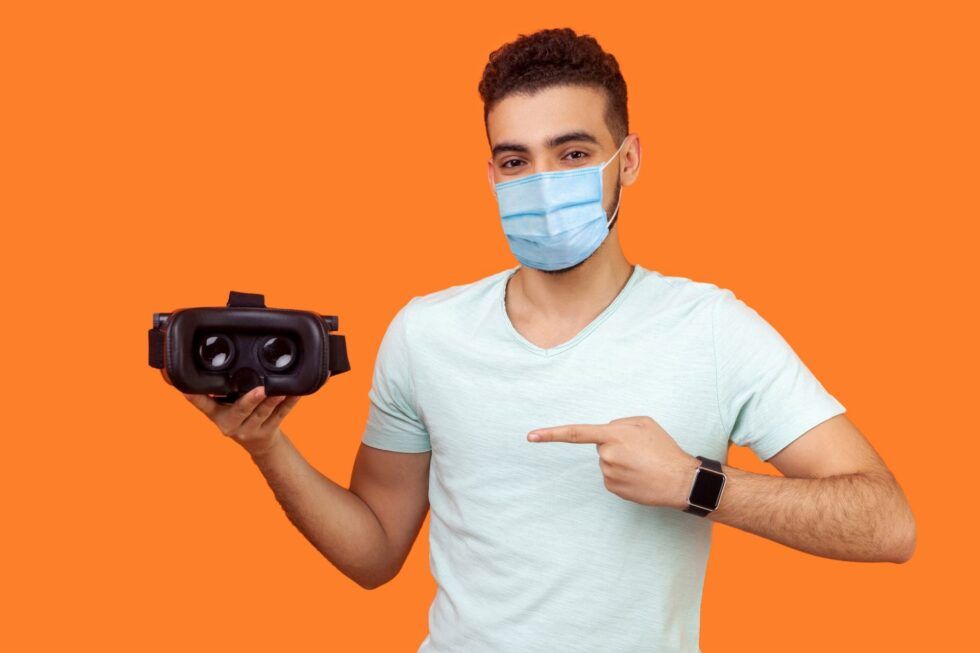
For several months now, people around the world have faced an unprecedented attack on their health, well-being and economy. This has created further obstacles for those already suffering from mental disorders ranging from anxiety to depression to substance abuse. It also creates mental problems in the population on a scale never seen before. The coronavirus is an unseen enemy that has been shown to affect the mental well-being of nearly half of the U.S. population. [1] Given that the pandemic and control methods are likely to continue, these statistics can only get worse, placing an enormous burden on mental health practitioners to remain innovative in supporting and treating their clients.