
VIRTUAL REALITY AND HYGIENE: PROTECTING YOUR PATIENTS DURING YOUR VIRTUAL REALITY SESSIONS
For several months, the entire world has been facing the Covid-19 epidemic, causing concern and anxiety among the general population. This has resulted in not only the risk of death due to the viral infection but also significant psychological pressure. Following government measures, particularly quarantine, individuals' daily lives and habits have been disrupted. Several recent studies have highlighted the impact of these changes on individuals' mental health, causing an increase in depressive and anxious symptoms and substance use disorders, among other issues. Given the psychological difficulties the population is facing, mental health professionals are at the forefront to provide psychotherapeutic care. The intervention of these professionals is especially crucial for at-risk populations: the elderly, who are often more socially isolated, those with psychiatric disorders, and those suffering from depression, anxiety, and substance use. However, the threat of a second pandemic wave is real, which is why adherence to health and hygiene rules is crucial.
Key takeaways
- Covid-19 has increased anxiety and depressive symptoms, requiring continued psychotherapeutic care for at-risk patients.
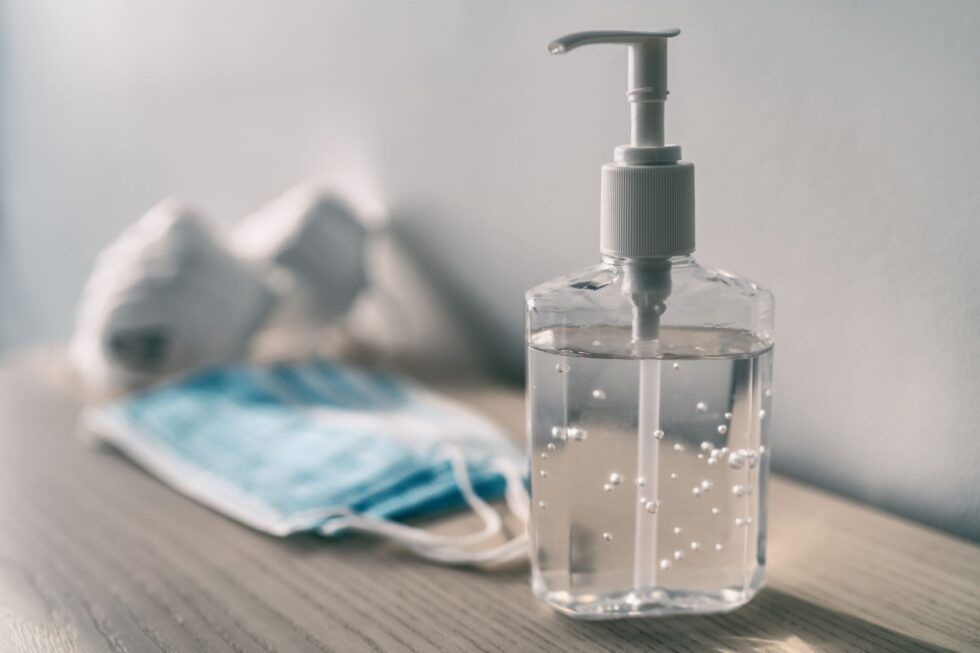
- Waiting rooms and offices need barrier gestures: distancing, hand sanitizer, ventilation and regular disinfection.
- Teleconsultation via the Psy.live platform helps maintain care while limiting virus spread.
- Virtual Reality Exposure Therapy (VRET) remains usable safely with reusable, disinfectable silicone masks on the headset.
- Hands should be washed before and after each use of the virtual reality equipment.
HOW TO LIMIT THE RISK OF SPREADING IN THE OFFICE
Given the health situation and to meet government hygiene recommendations, mental health professionals receiving patients in their office can follow different recommendations to limit the spread of Covid-19. The recommendations are as follows:
In the waiting room
- Allow access only to patients with an appointment.
- Display the measures related to barrier gestures in the waiting room.
- Arrange chairs in the waiting room to respect physical distancing.
- Inform patients not to arrive early for appointments to reduce the number of people present.
- Provide hand sanitizer or a sink with soap.
- Remove non-essential objects that could increase the risk of contamination (magazines, games, etc.).
In the office
- Apply barrier measures by keeping a meter distance from patients.
- Encourage remote appointment scheduling.
- Wash hands regularly.
- Ventilate the office between each consultation.
- Regularly disinfect the office.
- Suggest patients bring their own materials as much as possible (pens, etc.).
As much as possible, teleconsultation should be prioritized to reduce the risk of virus spread. To this end, C2Care offers the possibility to conduct your sessions and therapeutic care on the Psy.live platform. This simple and innovative platform supports secure payments and allows you to send tasks to be done at home to your patients. Using this platform will allow you to continue consultations given the health conditions and promote the psychological well-being of your patients. This platform offers greater accessibility to patients while reducing travel-related difficulties and also allows professionals to conduct consultations with patients residing abroad.
HOW TO USE VRET WHILE RESPECTING HYGIENE RULES AND PROTECTING PATIENTS
In light of the impact of this pandemic on the mental health of the general population, it appears that Virtual Reality Exposure Therapy (VRET) has a predominant role to play. Firstly, because its effectiveness has been demonstrated in numerous scientific articles, especially for treating anxiety disorders and substance use disorders. According to the World Health Organization (WHO), the transmission of this disease occurs through respiratory droplets from the mouth or nose of individuals when they talk, cough, or sneeze. Moreover, inhaling or touching surfaces that have been contaminated can lead to contracting the disease.
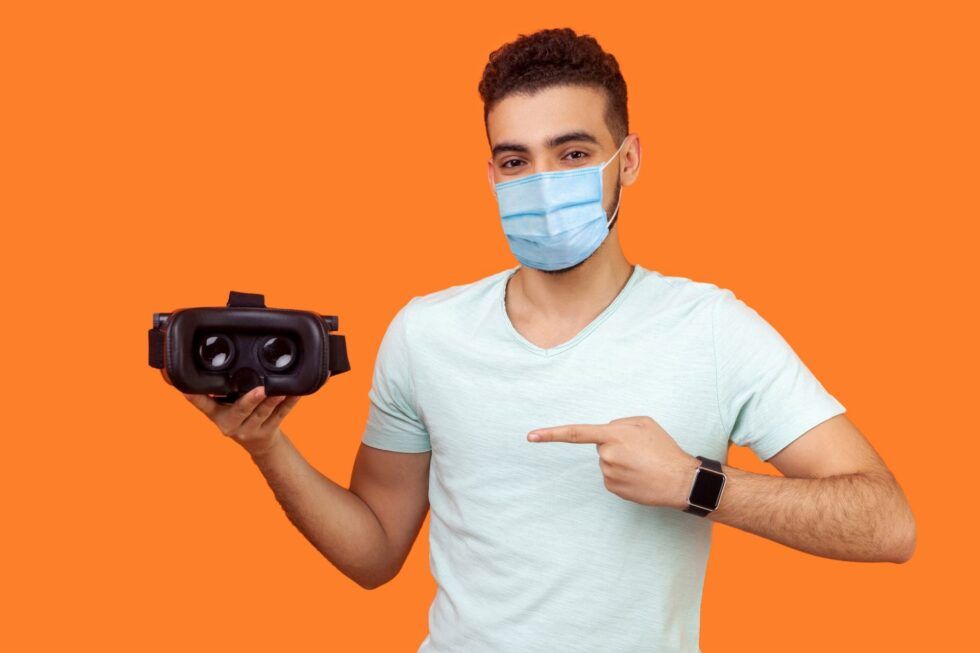
It is recommended that healthcare professionals and patients wash their hands before and after using virtual reality equipment and disinfect it. A solution exists to protect your patients while continuing to use virtual reality exposure. Indeed, for hygiene and safety reasons, C2Care offers silicone masks to protect your patients. Simply place it on the part of the headset in contact with the patient's face. The advantage of this silicone mask is that it can be reused after being carefully disinfected. Thanks to this innovative solution, VRET can still be used by mental health professionals while adhering to government measures to maintain hygiene rules and ensure patient safety.
The AI revolution !
Try our artificial intelligence for free and discover how it can support you in your daily life.

Frequently Asked Questions
How can I disinfect a virtual reality headset between patients?
Wash your hands before and after each use, then disinfect the headset itself. C2Care recommends cleaning the mask and headset surfaces between patients to limit contamination risk, in line with the hygiene rules recommended during the pandemic.
What is the purpose of the silicone mask offered by C2Care?
The silicone mask covers the part of the headset in contact with the patient's face, reducing direct skin contact. It can be reused after careful disinfection, letting praticiens continue VRET sessions while protecting patient hygiene and safety.
Can virtual reality sessions be replaced by teleconsultation?
Yes. C2Care's Psy.live platform lets praticiens conduct sessions remotely, with secure payments and tasks sent to patients at home. This limits travel and contact, and also gives access to patients residing abroad.
What hygiene measures should I follow in the waiting room?
Limit access to patients with an appointment, space out chairs and display barrier-gesture reminders. Provide hand sanitizer or a sink with soap, and remove shared objects such as magazines that increase contamination risk.
What hygiene measures should be followed in the office during a session?
Keep a meter distance from patients when possible, ventilate the room between consultations and disinfect surfaces regularly. Ask patients to bring their own materials, such as pens, to limit shared contact points.
Why is hygiene particularly important when using VRET during a pandemic?
Covid-19 spreads through respiratory droplets and contaminated surfaces, according to the World Health Organization. Since virtual reality headsets involve close facial contact, disinfecting equipment and washing hands before and after each session reduces transmission risk.
Author
C2Care
Related articles
How is Covid-19 impacting on Mental Health ?
For several months now, people around the world have faced an unprecedented attack on their health, well-being and economy. This has created further obstacles for those already suffering from mental disorders ranging from anxiety to depression to substance abuse. It also creates mental problems in the population on a scale never seen before. The coronavirus is an unseen enemy that has been shown to affect the mental well-being of nearly half of the U.S. population. [1] Given that the pandemic and control methods are likely to continue, these statistics can only get worse, placing an enormous burden on mental health practitioners to remain innovative in supporting and treating their clients.

Depression in the elderly
Recent years have seen a huge uptick in the use of VR in geriatrics. As Mathias et al reported in a 2019 review of the literature, VR has become an effective tool in screening for and treating cognitive impairment, while it has also found uses in the treatment of Alzheimer's Disease. The use of VR in treating mood disorders and other forms of depression in the elderly has lagged behind, but there are reasons to believe that it will be the next frontier in treating mental health disorders among American seniors. VR has been used with great success in treating ADHD, anxiety, and depression among teens and younger people, leading many geriatrics specialists to see exciting potential for older age groups. So let's look in more detail about how the technology could be applied, and the kind of benefits seniors can anticipate.

Formavenir, C2CARE and AP-HP revolutionize caregiver training with virtual reality and are finalists for the Sante Expo 2020 Innovation Awards
The union of 3 experts to give birth to Soignants Ré.V: modules of formation by simulation of the serious game type using the immersive capacity of virtual reality to work on the soft skills of caregivers in the management of pain or aggressiveness of their patients.

Mental health and climate change
You may be wondering what the link is between climate change and mental health? After all, how can one impact the other? The WHO (World Health Organisation) indicates that climate change represents a significant risk to mental health. In addition to impacting our planet, these changes will have an impact on anxiety, depression, violence and post-traumatic stress.

Response prevention – OCD
Response prevention is a cognitive-behavioral therapy method used for obsessive-compulsive disorder. This module takes place after the five psychotherapy sessions preceding exposure to virtual reality, and is intended for patients suffering from OCD.
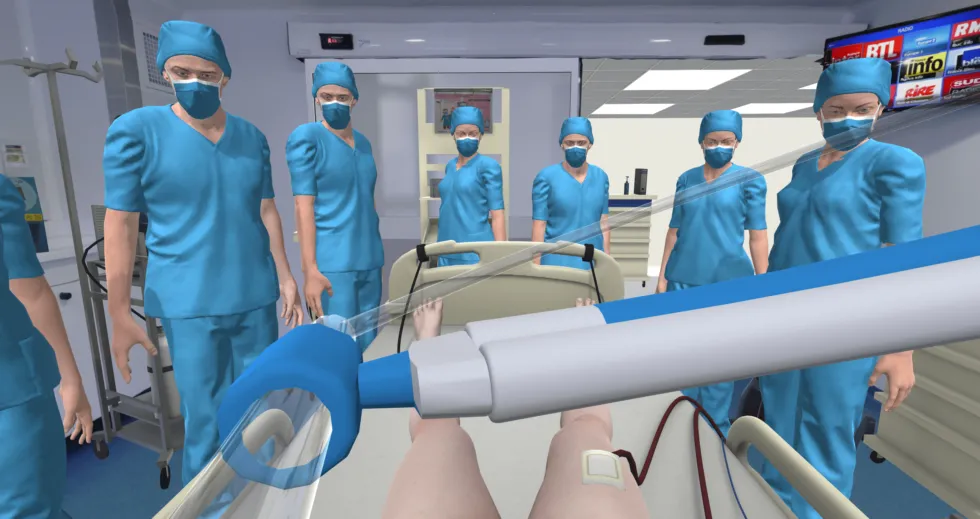
World premiere, Virtual Reality takes part in Pulmonary Transplantation procedure
For the first time in the world, a patient on the lung transplant list will be able to benefit from therapeutic virtual reality sessions to prevent post-operative psychological trauma, thanks to a groundbreaking partnership between C2Care and AP-HM (Public Assistance – Hospitals of Marseille).