
Depression in the elderly
Recent years have seen a huge uptick in the use of VR in geriatrics. As Mathias et al reported in a 2019 review of the literature, VR has become an effective tool in screening for and treating cognitive impairment, while it has also found uses in the treatment of Alzheimer's Disease. The use of VR in treating mood disorders and other forms of depression in the elderly has lagged behind, but there are reasons to believe that it will be the next frontier in treating mental health disorders among American seniors. VR has been used with great success in treating ADHD, anxiety, and depression among teens and younger people, leading many geriatrics specialists to see exciting potential for older age groups. So let's look in more detail about how the technology could be applied, and the kind of benefits seniors can anticipate.

Key takeaways
- Clinically diagnosable depression affects 1-5% of US seniors, and up to 14% of those needing home or institutional care.
- VR helps reduce anxiety in seniors by allowing gradual, safe exposure to feared situations.
- Head Mounted Displays are well tolerated by elderly patients and can ease depression linked to reduced mobility.
- VR also helps with pain management through cognitive distraction and physiotherapy training.
- Virtual Reality Exposure Therapy (VRET) is expected to become a mainstream tool in geriatric mental health.
DEPRESSION : A MAJOR CHALLENGE FOR GERIATRICS IN THE USA
Before we look at a few applications for VR in geriatrics, it's important to put them into context. Clinically diagnosable depression affects between 1-5% of US seniors, and as many as 14% of those requiring home or institutional healthcare. Additionally, many more people suffer from milder symptoms of depression. For instance, one study in France found that 23% of elderly people showed some signs of depression. And even milder symptoms can lead to seriously diminished quality of life. The same study also found that depression increases the risk of death among seniors, findings that have been repeatedly backed up by the NIH in its studies of quality-adjusted life expectancy.
The fact is that depression makes life more miserable, exacerbates existing health conditions, deters seniors from engaging with each other and the outside world and, ultimately, shortens lives. So any therapies that can ease its symptoms are to be welcomed. And VR fits into that category, as a quick tour of recent innovations demonstrates.
Using VR to treat anxiety among the ederly
Anxiety is a major mental health issue among the US population in general, but it is particularly serious among older age groups. According to the Geriatric Mental Health Foundation, 10-20 percent of American seniors suffer from some form of clinical anxiety, most often phobias. And this condition can seriously compromise their standard of living. How could VR help? According to some researchers, the answer is yes.
VR can help to compensate for the lower efficacy of treatments like cognitive behavioral therapy in older age groups, allowing practitioners to change behavior in situations where this was previously impossible. Research published in 2015 by Sébastien Grenier of the University of Montreal suggested that VR could help by allowing seniors to virtually "confront" the source of their anxiety.
By using VR headsets to create situations in which seniors are exposed to sources of anxiety, therapists can help them deal with those issues without needing to leave their home or care setting.
Can VR allevate depression caused by poor mobility
The same theme feeds into a broader discussion about the application of Virtual Reality to geriatrics: can VR treatments help elderly people to deal with the depression caused by decreased exposure to the outside world as their bodies become less mobile and physically capable? Lost mobility is certainly a cause of depression in senior populations. And it is also a major symptom of depression, creating dangerous feedback cycles which damage the mental health of patients. Seniors may choose to socialize less, visit fewer external locations, and generally interact less with the outside world due to bereavements, stress, and anxiety, causing them to become less trustful and more unhappy.
This is a tragic situation for individuals, but potentially a very fruitful application of VR technology. Studies in care settings have found that Head Mounted Displays (HMDs) can deliver VR content safely and effectively to elderly patients, and that participants in studies report a high degree of comfort and enjoyment during VR therapies. And the experience of those in the field also shows that these therapies can be extremely successful.
VR headsets have become a regular sight at the Ebenezer Care Center in Minneapolis, where residents use them to virtually visit locations they have seen before or have always wished to visit.
Feedback from residents using the headsets suggests that they become more relaxed and open to social interactions following VR sessions, exactly what you would want to see from a treatment for depression among the elderly.
Using VR to assist with pain management
Alongside anxiety alleviation and the treatment of depression caused by decreased mobility, VR is also finding unexpected uses in pain management, another major contributor to poor mental health among elderly populations. Back in 2014, a major study showed that VR could be used to create cognitive distractions which can help sufferers of chronic and acute pain. In many instances, this redirection of attention can help to reduce the perception of pain, with beneficial effects lasting beyond VR immersion sessions.
Moreover, immersive VR software has been used as a training aide to teach seniors effective pain management and physiotherapy techniques, which can often be the most important measure in mitigating pain over the long term.
And it can be linked with wearable devices to provide valuable feedback for medical practitioners who may be distanced from the patients. All of this contributes to more efficient pain management, which directly influences mood and general happiness. As any senior who has suffered from chronic arthritis will inform you, pain and mental health are tightly interlinked, and anything which can alleviate one tends to help when treating the other.
VIRTUAL REALITY THERAPY COULD REVOLUTIONIZE GERIATRIC MENTAL HEALTH
These applications of virtual reality form the tip of an iceberg. The use of augmented reality in therapies like CBT is in its infancy, but there are strong signs that the use of HMDs and specially devised therapeutic software can help to alleviate depressive symptoms. In the future, we are likely to see techniques like Virtual Reality Exposure Therapy (VRET) becoming mainstream, as therapists carefully expose patients to experiences which can lessen their anxieties. On a less sophisticated level, VR experiences which simulate tourism and other social situations will be a common option for seniors in their recreational lives.
So expect to see a mix of medically robust therapeutic tools and commercially produced apps, resulting in a rich mix of techniques to make life more enjoyable and less stressful.
Many of the mental health problems affecting seniors stem from the loss of rich social experiences and their isolation from the external world.
With VR, we now have a set of tools which can counteract those problems like never before. And that's why geriatric specialists, engineers, care givers, and elderly users are becoming more and more excited by what the technology has to offer.
VR is more than just a novelty. It's a far-reaching medical therapy which can ensure that old age isn't a time of misery, fear, and pain. Enriched social lives and positivity are available instead, providing the technology reaches its potential.
The AI revolution !
Try our artificial intelligence for free and discover how it can support you in your daily life.

Frequently Asked Questions about Depression in the Elderly and Virtual Reality
How can virtual reality help treat depression in the elderly?
Virtual reality is already used to screen and treat cognitive impairment, and geriatric specialists see growing potential for mood disorders in older adults, following its success with anxiety and depression in younger populations. Techniques such as Virtual Reality Exposure Therapy are expected to become more common as the field develops.
Can virtual reality reduce anxiety among older patients?
Anxiety affects 10 to 20 percent of American seniors, according to the Geriatric Mental Health Foundation, and often responds less well to standard cognitive behavioral therapy. Virtual reality headsets let therapists safely expose seniors to anxiety-inducing situations, allowing them to confront these sources without leaving home or a care setting.
Can virtual reality ease depression caused by reduced mobility?
Loss of mobility is both a cause and a symptom of depression in seniors, often reducing social contact. Studies show head-mounted displays deliver virtual reality safely and comfortably to elderly patients. At Ebenezer Care Center, residents using headsets to revisit favorite places reported becoming more relaxed and open to social interaction.
Can virtual reality help manage pain in elderly patients?
Research has shown virtual reality can create cognitive distractions that reduce the perception of chronic and acute pain, with effects that can last beyond the session itself. It is also used to train seniors in pain management and physiotherapy techniques, and can be paired with wearable devices for practitioner feedback.
Can I feel nauseous while using the headset?
This can happen and is known as cybersickness, a well-documented phenomenon that affects a portion of users. It is reversible: starting with static environments, then adding slight head movements before progressing to slower motions, helps the body adapt to the sensation of movement while remaining physically still.
Which elderly patients can benefit from virtual reality therapy?
Studies among elderly populations support using virtual reality for cognitive stimulation, behavioral disorders, and anxiety. Virtual reality has shown good feasibility across a wide age range, with practitioners able to adapt exposure scenarios to each patient's specific needs and therapeutic goals.
Is virtual reality safe to use, or are there contraindications?
Virtual reality therapy is not recommended for people with epilepsy or for pregnant individuals. Outside these contraindications, studies report that patients, including elderly participants, generally find head-mounted displays comfortable and enjoyable, with high rates of engagement reported during sessions.
What happens if my headset develops a technical issue?
Our technical support team can be reached through live chat directly from your control panel. If a problem is confirmed, you will receive a return label and the defective equipment will be replaced within 48 hours.
Author
C2Care
Related articles

Fear of Insects: A Widespread Phobia
The extreme fear of insects is called entomophobia and is one of the most common forms of phobia. It causes panic and acute anxiety in its victims, but there are effective ways to get rid of it, such as virtual reality, medication, etc. Psychologists offer virtual reality therapy to help clients overcome this fear by engaging in risky situations in a safe, virtual setting. These specialists use control parameters to adjust the computer-generated environment. The complex virtual environments involve replicating aspects of the real world through 360-degree views, 3D graphics and sound. Children and adults can develop entomophobia, especially when they have had hostile experiences with a particular insect. With approximately 6% of the population suffering from entomophobia, C2Care provides its clients with psychological and medical treatment for various fears, eating disorders, addiction-related stress, and implements virtual reality exposure therapy into their program. Keep reading to understand how virtual reality can help eradicate the fear of bugs.

My child is afraid to go back to school
Parents and guardians currently considering choices when it comes to reopening schools during the height of a deadly epidemic may have an additional challenge: children who are afraid to return to the classroom. Feelings of restlessness are common and anticipated in times of change or transition. This is especially true for children and adolescents returning to school or for children entering kindergarten for the first time. This transition can be painful and challenging for the whole family! Before the first day of school, the nervous child may cry, cling, complain of stomachaches or headaches, be grumpy, become moody or irritable, and become withdrawn. Whenever children attend VR therapy, they first learn coping skills that help them stay calm in stressful situations. Once they are satisfied with these approaches, they move on to virtual reality therapy. They view computer-generated environments and use avatars to experience relationships with other youth and adults.
How is Covid-19 impacting on Mental Health ?
For several months now, people around the world have faced an unprecedented attack on their health, well-being and economy. This has created further obstacles for those already suffering from mental disorders ranging from anxiety to depression to substance abuse. It also creates mental problems in the population on a scale never seen before. The coronavirus is an unseen enemy that has been shown to affect the mental well-being of nearly half of the U.S. population. [1] Given that the pandemic and control methods are likely to continue, these statistics can only get worse, placing an enormous burden on mental health practitioners to remain innovative in supporting and treating their clients.

Mental health and climate change
You may be wondering what the link is between climate change and mental health? After all, how can one impact the other? The WHO (World Health Organisation) indicates that climate change represents a significant risk to mental health. In addition to impacting our planet, these changes will have an impact on anxiety, depression, violence and post-traumatic stress.
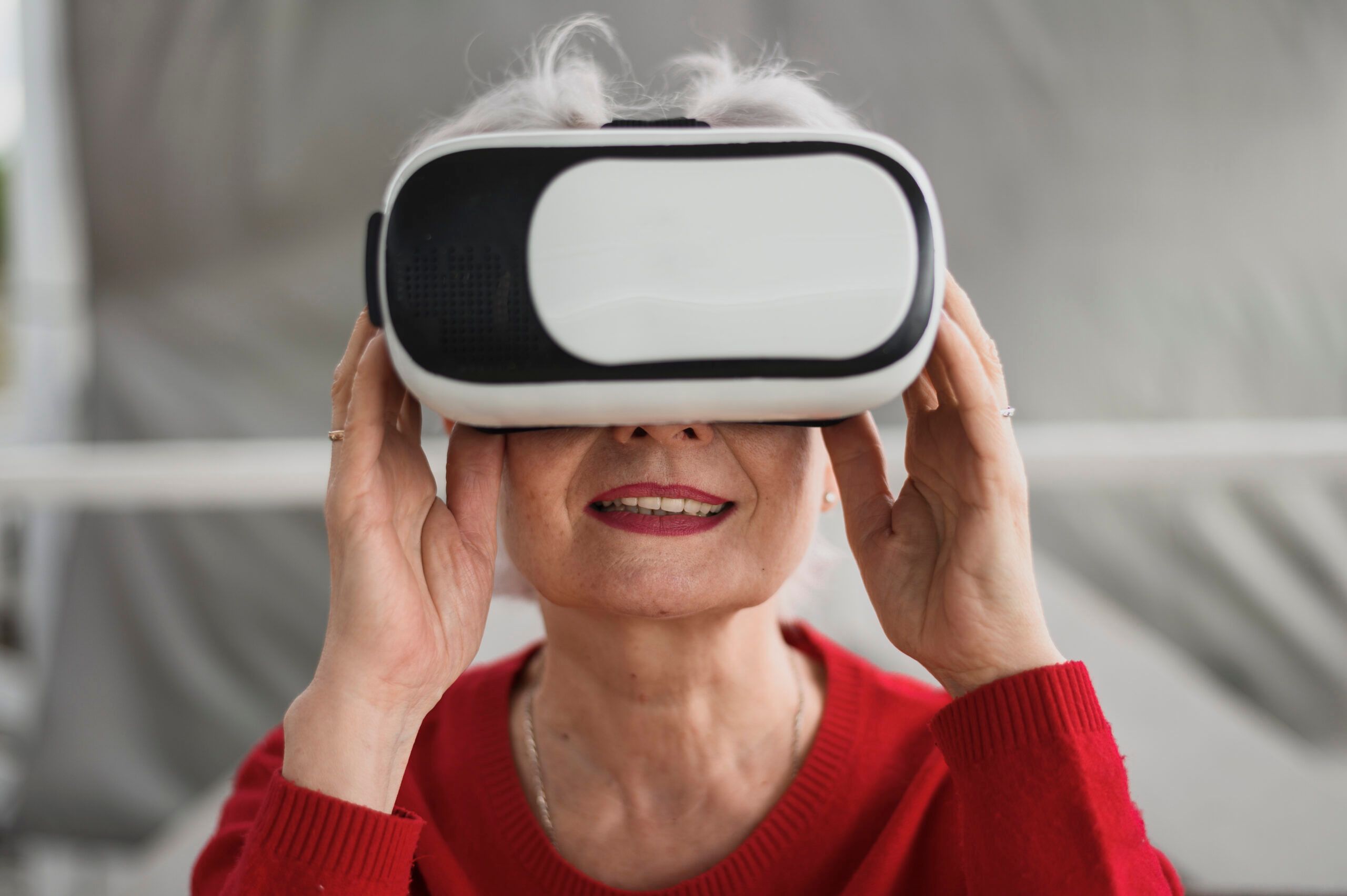
Virtual reality therapy to break the isolation of seniors – Clinical study at the Nice University Hospital
The "Aging Well" project launched in January 2020 by the Nice University Hospital and supported by several sponsors and partners, aims to invent a model for aging well and the future of health care. In this context, the gerontology teams at Nice University Hospital and the company C2Care have set up a clinical study integrating virtual reality, with personalized immersive content.

VIRTUAL REALITY AND HYGIENE: PROTECTING YOUR PATIENTS DURING YOUR VIRTUAL REALITY SESSIONS
For several months, the entire world has been facing the Covid-19 epidemic, causing concern and anxiety among the general population. This has resulted in not only the risk of death due to the viral infection but also significant psychological pressure. Following government measures, particularly quarantine, individuals' daily lives and habits have been disrupted. Several recent studies have highlighted the impact of these changes on individuals' mental health, causing an increase in depressive and anxious symptoms and substance use disorders, among other issues. Given the psychological difficulties the population is facing, mental health professionals are at the forefront to provide psychotherapeutic care. The intervention of these professionals is especially crucial for at-risk populations: the elderly, who are often more socially isolated, those with psychiatric disorders, and those suffering from depression, anxiety, and substance use. However, the threat of a second pandemic wave is real, which is why adherence to health and hygiene rules is crucial.