
My child is afraid to go back to school
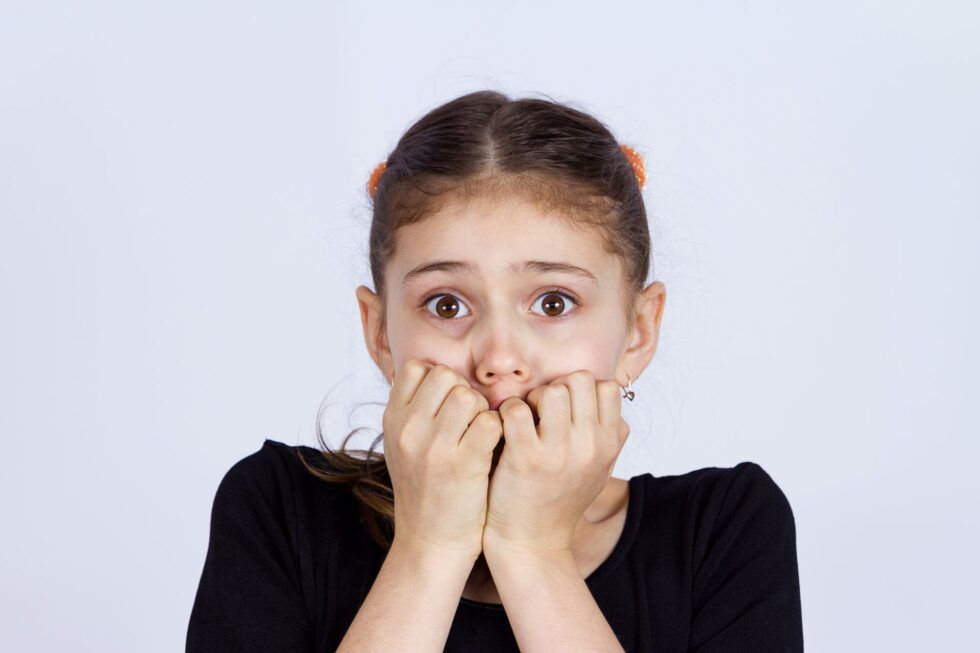
Parents and guardians currently considering choices when it comes to reopening schools during the height of a deadly epidemic may have an additional challenge: children who are afraid to return to the classroom. Feelings of restlessness are common and anticipated in times of change or transition. This is especially true for children and adolescents returning to school or for children entering kindergarten for the first time. This transition can be painful and challenging for the whole family! Before the first day of school, the nervous child may cry, cling, complain of stomachaches or headaches, be grumpy, become moody or irritable, and become withdrawn. Whenever children attend VR therapy, they first learn coping skills that help them stay calm in stressful situations. Once they are satisfied with these approaches, they move on to virtual reality therapy. They view computer-generated environments and use avatars to experience relationships with other youth and adults.
Key takeaways
- Children with school phobia may show physical symptoms, separation anxiety, nightmares and refusal to attend school.
- Virtual reality therapy places the child in a computer-generated classroom to practice coping skills safely.
- The therapist supervises and controls the exposure, adapting the scenario to the child's specific fears.
- Virtual reality exposure can be adapted to different school-related fears, from exams to peer relationships.
SYMPTOMS AND CHARACTERISTICS OF SCHOOL PHOBIA
Young people who suffer from school paranoia are often sentimental, insecure, and highly susceptible. They want to be close to their parents and tend to be nervous about separation.
Parents may imagine that fear of school is likely to occur whenever children :
- Have physical signs just before having to leave for school, such as nausea, upset stomach, diarrhea, vomiting or extreme exhaustion for no particular medical reason
- Becoming clingy, cranky or showing signs of worry when away from loved ones or parents
- Possess extreme concern for being alone or illogical fears
- Recurring nightmares and difficulty sleeping
- Have signs on school days, but they are okay on weekends and school vacations.
- Children with school phobia may refuse to go to school for extended periods.
CONTEXT OF INNOVATION BASED ON VIRTUAL REALITY (VR)
VR is a high-tech interface that allows users to subject themselves, via a computer generated environment, to a monitored situation. This innovation has been progressively utilized within the mental health treatment plus inside the clinical study. VR aspires to a parallel realism and generates a society that is both practical and mesmerizing. Users experience VR whenever they believe the hypothesis is precisely simulating the real-world experience it is attempting to reinvent. The logic of existence in virtual reality is made possible through the use of expertise such as head-mounted exhibits, synthesized sounds, motion-sensing gloves, and so on. Which allow to awaken many senses and to dynamically probe the virtual setting.
Virtual Reality Therapy: What is it ?
HOW DOES VIRTUAL REALITY THERAPY HELP SCHOOL ?
While many children are happy to return to school and be reunited with their peers, for many, a new school term/year is synonymous with distress and academic nervousness. Nevertheless, what if, your child could safely enter their classroom, mingle with their new peers and teachers, and learn operational approaches to handle the worrisome circumstances they fear at school? With VR therapy, this can be done effortlessly. Researchers and therapists say the good news is that virtual reality expertise and usability is rapidly improving through its industrial and gaming applications, so its prospect as a mental health remedy is just beginning.
What happens during Virtual Reality Therapy?
Research has proven that virtual reality therapy essentially "reshapes" the brain to amplify the parts concerned with attention and friendship. This allows for better comprehension and awareness of social cues, better understanding of grip and dialogue, and extra control whenever confronted with actual school problems. In research after the children underwent VR exposure therapy, scans revealed that sections of the brain related to social skills and regions that exchange information in social interactions are enhanced.
This visually refreshing and responsive approach to school phobia offers a dynamic podium that can manufacture an unlimited number of fear circumstances. The pursuit of a child's precise uncertainties offers evocative life-like circumstances with instant reaction, greatly enriching a child's ability to manage tension.
Children and the Treatment of Virtual Reality
Virtual Reality Exposure Therapy (VRET) involves customized virtual environments that have been carefully developed to support exposure therapy for nervousness states. Through virtual reality, the child is subjected to frightening conditions in a safe, managed environment, rather than taking the child into the real environment or having the youth imagine it. The virtual situation is supervised by a therapist, which guarantees a complete regulation of the subjection to the feared state. TERV allows the therapist to influence situations to suit the individual during a typical therapy period and within the limits of the therapist's location.
In Brief
Virtual reality-enhanced cognitive-behavioral therapy may be a useful adjunct tool for treating school phobia. The dominant component of this treatment is exposure therapy, which involves helping clients become calmer about the state of affairs that frightens them. VR technology places the client in computer-generated environments in which they experience a classroom and school setting. Initially, clients learn how to cope with the situation and are then put into the VR situation. Clients can practice in this virtual world until they are satisfied with the experience and their responses.
If a complicated treatment tactic is needed, virtual reality therapy is directly pooled with other teaching techniques to provide a comprehensive engagement strategy.
Are you a healthcare professional? Discover our solutions to treat your patients' phobias
Are you an individual? Discover our services to treat your child's school phobia
We use Artificial Intelligence both through an assistant IA named Camille and through virtual characters within the scenes. Camille provides support and acts as a trusted companion to whom you can share your concerns without fear of judgment.
On the other hand, the virtual characters faithfully replicate real-life social behaviors. You will be able to interact with them in various everyday contexts, such as a party, a date, a job interview, or a spontaneous conversation on the street. Learn more
VR treatment develops as a sophisticated solution that allows children to face their fears in a harmless and realistic situation, but in a way that offers them control. Virtual reality therapy can be used in all age groups and can be adapted to the child's age as they grow.
In addition, this therapy can be adapted to contrast the involvement of school phobia situations. For example, one child may be anxious about taking exams, while others fear relationships with their peers. Both children can be helped by VR therapy, which is a blend of cognitive behavioral therapy (CBT) and in vivo exposure treatment, but with the latest technology.
The AI revolution !
Try our artificial intelligence for free and discover how it can support you in your daily life.

Frequently asked questions about fear of returning to school and virtual reality
What are the signs my child has school phobia?
Physical symptoms before leaving for school (nausea, stomachaches, headaches) without medical cause are common signs. Clinginess, irritability, sleep difficulties and refusal to attend school are also frequent, especially when symptoms disappear on weekends and holidays.
How does virtual reality therapy help school phobia?
The child faces feared school situations in a safe, computer-generated environment rather than the real classroom. The therapist supervises the exposure and adjusts the scenario to the child's specific fears, whether about exams or peer relationships.
What happens during a virtual reality session for school anxiety?
Children first learn coping skills to stay calm before entering the virtual scene. They then practice in the computer-generated classroom or school setting until they feel comfortable with the situation and their own reactions.
Is virtual reality exposure therapy combined with other treatments?
Yes. Virtual reality therapy is a blend of cognitive-behavioral therapy and in vivo exposure, using the latest technology. When a more complex approach is needed, it can be directly combined with other teaching techniques.
Can virtual reality therapy be adapted to my child's age?
Yes. Virtual reality therapy can be used across all age groups and adapted as the child grows. Scenarios are also tailored to the specific fear involved, such as exam anxiety or difficulties with peers.
Can I feel nauseous while using the headset?
It can happen and is known as cybersickness, a well-documented phenomenon affecting part of the population. It is reversible: starting with static environments, then progressing to slight and slow head movements, helps the body adapt.
Who supervises the virtual reality sessions?
A therapist supervises the virtual situation throughout the session. This ensures full control over the exposure to the feared state and allows the therapist to adjust the scenario to the child within the limits of their practice.
Who should I contact for software issues with the VR headset?
The technical support team can be reached via live chat from the control panel. If an issue occurs with the headset, the team helps diagnose the problem and, if necessary, provides a return label and replaces defective equipment within 48 hours.
Author
C2Care
Related articles

Fear of Insects: A Widespread Phobia
The extreme fear of insects is called entomophobia and is one of the most common forms of phobia. It causes panic and acute anxiety in its victims, but there are effective ways to get rid of it, such as virtual reality, medication, etc. Psychologists offer virtual reality therapy to help clients overcome this fear by engaging in risky situations in a safe, virtual setting. These specialists use control parameters to adjust the computer-generated environment. The complex virtual environments involve replicating aspects of the real world through 360-degree views, 3D graphics and sound. Children and adults can develop entomophobia, especially when they have had hostile experiences with a particular insect. With approximately 6% of the population suffering from entomophobia, C2Care provides its clients with psychological and medical treatment for various fears, eating disorders, addiction-related stress, and implements virtual reality exposure therapy into their program. Keep reading to understand how virtual reality can help eradicate the fear of bugs.

Fear of abandonment
The fear of abandonment is a major anxiety related to the idea that we do not deserve the love of the other and that we will be quickly rejected. This anxiety has a significant impact on your life. It is a factor of anxiety and psychological suffering. You sometimes have reactions of isolation, irritability, jealousy, aggressiveness that you don't always understand towards the people you love. A fear of abandonment eats away the little joys you may have in your daily life.

Parental Burn out
We've all heard of Professional Burn Out. But have you ever heard of parental/family burn out? Maybe it is still taboo, but yes, despite all the love that parents can bring to their child, a parent can experience parental burnout. Let's take a closer look at this subject and without taboos this time!
Autism Spectrum Disorder
Autistic Disorder, Asperger's Syndrome, Heller's Syndrome, Pervasive Developmental Disorder Unspecified: since the DSM-V, all these diagnoses have been grouped under the name ASD (Autism Spectrum Disorder). Is it an illness? What are its different forms? How can it be detected? Here is an overview of this still poorly understood disorder, which raises many questions and false beliefs.

Depression in the elderly
Recent years have seen a huge uptick in the use of VR in geriatrics. As Mathias et al reported in a 2019 review of the literature, VR has become an effective tool in screening for and treating cognitive impairment, while it has also found uses in the treatment of Alzheimer's Disease. The use of VR in treating mood disorders and other forms of depression in the elderly has lagged behind, but there are reasons to believe that it will be the next frontier in treating mental health disorders among American seniors. VR has been used with great success in treating ADHD, anxiety, and depression among teens and younger people, leading many geriatrics specialists to see exciting potential for older age groups. So let's look in more detail about how the technology could be applied, and the kind of benefits seniors can anticipate.
How is Covid-19 impacting on Mental Health ?
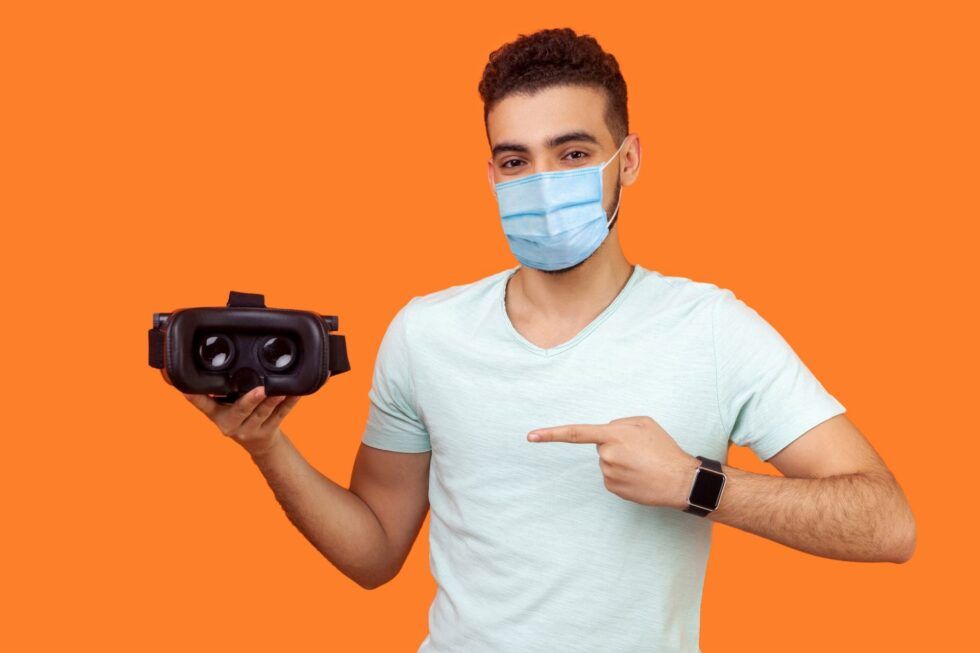
For several months now, people around the world have faced an unprecedented attack on their health, well-being and economy. This has created further obstacles for those already suffering from mental disorders ranging from anxiety to depression to substance abuse. It also creates mental problems in the population on a scale never seen before. The coronavirus is an unseen enemy that has been shown to affect the mental well-being of nearly half of the U.S. population. [1] Given that the pandemic and control methods are likely to continue, these statistics can only get worse, placing an enormous burden on mental health practitioners to remain innovative in supporting and treating their clients.