
Fear of Insects: A Widespread Phobia
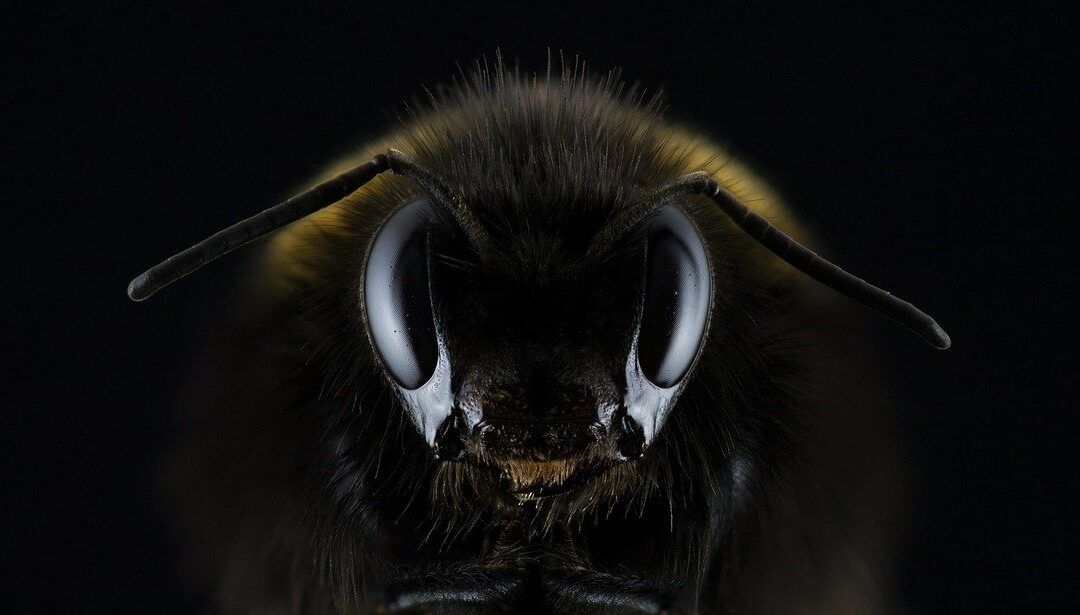
The extreme fear of insects is called entomophobia and is one of the most common forms of phobia. It causes panic and acute anxiety in its victims, but there are effective ways to get rid of it, such as virtual reality, medication, etc. Psychologists offer virtual reality therapy to help clients overcome this fear by engaging in risky situations in a safe, virtual setting. These specialists use control parameters to adjust the computer-generated environment. The complex virtual environments involve replicating aspects of the real world through 360-degree views, 3D graphics and sound.
Children and adults can develop entomophobia, especially when they have had hostile experiences with a particular insect. With approximately 6% of the population suffering from entomophobia, C2Care provides its clients with psychological and medical treatment for various fears, eating disorders, addiction-related stress, and implements virtual reality exposure therapy into their program. Keep reading to understand how virtual reality can help eradicate the fear of bugs.
Key takeaways
- Entomophobia is a common phobia causing panic, anxiety and physical symptoms around insects.
- Causes include distressing experiences, family influence, genetics, brain injuries and fear of contamination.
- Treatment combines virtual reality exposure, cognitive-behavioral therapy and, when needed, medication.
- VR exposure offers practical advantages over in vivo exposure, including accessibility and patient motivation.
- Ekblom syndrome (belief of insect infestation on skin) differs from entomophobia (fear of insects).
WHAT LEADS TO ENTOMOPHOBIA ?
According to experts, there is no exact cause for entomophobia and other phobias. C2Care suggests that temperaments such as being more sensitive or negative can cause a phobia. Other causes of entomophobia include.
- A depressing experience – negative or traumatic experiences can reinforce specific phobias, such as being stung by a bee at an early age. Depressed people have less interest in life, resulting in low self-esteem and feelings of unworthiness. Depressive feelings and insecurity lead to fear of insects.
- Your family – children can develop entomophobia from their siblings or parents. For example, you may develop a fear of insects when your mother screams at spiders and bugs.
- Genetic research shows the correlation between genes and phobias.
- Brain injuries – Brain injuries, including concussions, can cause anxiety disorders and increase fear conditioning, predisposing your brain to fear due to the stressful consequences of the injury.
- Fear of contamination – the main cause of entomophobia is the fear of contamination by insects, as most insects such as cockroaches and flies carry infections. The disgusting appearance of some insects also creates anxiety.
- Fear of insect bites and infestation: some individuals fear being bitten by insects and contracting disease as a result. Allergic reactions to insects, such as fire ant and wasp stings, can fuel entomophobia. Other people also fear an insect infestation in their body.
The thought of being around insects can cause undesirable physical and mental symptoms, such as sudden feelings of intense anxiety/fear when thinking about or seeing an insect, tightness in the chest, sweating, dry mouth, tremors, panic attacks and nausea.
HOW TO TREAT FEAR OF INSECTS ?
Virtual reality
- Psychoeducation – this involves identifying the root cause of the fear and the symptoms and signs associated with it. We also introduce VR at this stage and answer questions about the process.
- Relaxation – in this stage, we explore types of breathing to help patients cope with moments of fear, anxiety and stress. We begin by orienting the patient with a neutral VR setting for a smoother transition into the advanced virtual.
- Virtual exposure and relaxation: the patient is exposed to various insect scenarios. The triggers are unique to each session, but the breathing methods are similar.
- Relapse Prevention: Our mental health experts are in contact with patients to analyze therapy sessions and plan exercises for future bug exposure. We equip the patient with separate tools and software to prevent impending relapse.
Cognitive-behavioral therapy (CBY)
This treatment option involves imagining various insects in your thoughts and determining how they affect you. It focuses on changing your reactions and thinking about the phobia by identifying and reducing the triggers.
We merge this therapy with virtual reality to help patients control their thoughts until they are no longer sensitive to the fear of insects.
CBT has also demonstrated impeccable excellence in the treatment of a range of specific fears, thanks to its large number of successful treatments and its long-term effects. Some of the best therapies for treating entomophobia include personalized CBT using virtual reality exposure in VIVO
Medicaments
Psychotherapy is one of the most effective ways to overcome entomophobia. Our mental health specialists may recommend certain medications to minimize the symptoms of entomophobia. Prescribed medications may include :
- Beta-blockers – these drugs block the effects of adrenaline, such as high blood pressure, heart rate and palpitations.
- Antidepressants – reduce the fear of anxiety associated with insects.
- Anti-anxiety medications – these are recommended for short-term use and reduce anxiety.
Note that beta-blockers, antidepressants and anti-anxiety medications are not FDA approved for phobias.
WHAT ARE THE ADVANTAGES OF VR OVER IN VIVO EXPOSURE (IVE) ?
VR exposure therapy can be performed from anywhere in the world using appropriate tools, whereas in vivo exposure can be problematic when transportation is unreliable. People with mobility issues, such as obesity and paralysis, can effectively use VR because it poses fewer ethical issues than IVE.
VR also motivates patients with in-game rewards, high scores and leaderboards. Based on high scores and game data, our therapists can assess progress and grade patient performance for better inspiration.
WHAT IS THE DIFFERENCE BETWEEN EKBLOM SYNDROME AND ENTOMOPHOBIA ?
The fear of insects crawling on your skin is called Ekblom syndrome. It causes the patient to believe that the skin is infested with insects and may result in self-mutilation to eliminate the infestation.
Instead, entomophobia is simply the fear of insects.
Through gradual and regular exposure to insects, patients can eradicate this phobia.
Ready to take action on your phobia?
C2Care's virtual reality solutions support you step by step toward better well-being.

CONCLUSION
Do you treat people with entomophobia or other specific phobias? Don't forget to check out our virtual reality therapy services. At C2Care, we provide virtual reality equipment and environments for a multitude of mental health issues. For entomophobia, some of our virtual reality remedies include virtual ant hills or spiders approaching the patient's home, virtual representation of insects in your home and much more. It contains eight exposure sessions that last about half an hour. Our TERV therapy can be used on children over the age of 4, adolescents, adults and the elderly. The implementation of VR therapy techniques offers a remedy that you and your patients are looking for.
Are you a healthcare professional? Discover our solutions to treat your patients' phobias
Are you an individual? Discover our services to treat your insect phobia
Frequently asked questions
What is entomophobia?
Entomophobia is the extreme fear of insects, one of the most common specific phobias. It causes panic and acute anxiety, with physical symptoms such as chest tightness, sweating, tremors and nausea when the patient thinks about or sees an insect.
What causes fear of insects?
There is no single exact cause. Contributing factors include negative or traumatic experiences, family influence, genetic predisposition, brain injuries, and fear of contamination or of insect bites and infestation.
How is virtual reality used to treat entomophobia?
Treatment follows four steps: psychoeducation, relaxation, virtual exposure combined with breathing techniques, and relapse prevention. The patient is exposed to insect scenarios in a controlled virtual environment, with triggers adapted to each session.
Can medication treat entomophobia?
Mental health specialists may prescribe beta-blockers, antidepressants or anti-anxiety medications to reduce symptoms. These medications are not FDA approved specifically for phobias and are generally combined with psychotherapy.
What is the difference between Ekblom syndrome and entomophobia?
Ekblom syndrome is the belief that insects are crawling on or infesting the skin, which can lead to self-mutilation. Entomophobia is simply the fear of insects, treatable through gradual and regular exposure.
Why choose virtual reality over in vivo exposure for insect phobia?
Virtual reality exposure can be performed anywhere with appropriate tools, unlike in vivo exposure which depends on transportation and live insects. It also raises fewer ethical issues for patients with mobility limitations and uses in-game rewards to support engagement.
How many sessions are needed to treat entomophobia with C2Care?
C2Care's virtual reality program for entomophobia includes eight exposure sessions lasting about half an hour each. It can be used with children from age 4, adolescents, adults and elderly patients.
Can I feel nauseous while using the headset?
This can happen and is known as cybersickness, a well-documented phenomenon affecting part of the population. It is reversible: starting with static environments and gradually increasing head movements helps the body adapt.
Author
C2Care
Related articles
Managing an anxiety attack
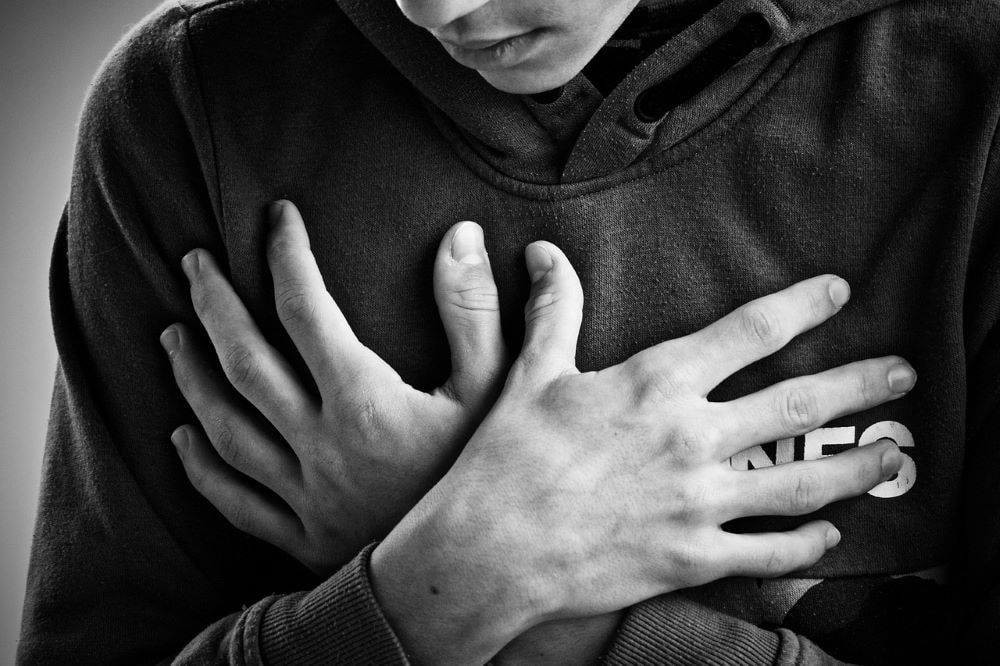
As the situation overwhelms us, our anxiety takes on a life of its own, sometimes going so far as to cause a panic attack. This situation is particularly unpleasant for the person experiencing it, with significant physical and psychological symptoms. But this feeling is not irreparable, and there are a few tips for managing your anxiety attack in the emergency of the situation. It is also possible to reduce the risk of panic attack in the longer term by adopting certain strategies.

My child is afraid to go back to school
Parents and guardians currently considering choices when it comes to reopening schools during the height of a deadly epidemic may have an additional challenge: children who are afraid to return to the classroom. Feelings of restlessness are common and anticipated in times of change or transition. This is especially true for children and adolescents returning to school or for children entering kindergarten for the first time. This transition can be painful and challenging for the whole family! Before the first day of school, the nervous child may cry, cling, complain of stomachaches or headaches, be grumpy, become moody or irritable, and become withdrawn. Whenever children attend VR therapy, they first learn coping skills that help them stay calm in stressful situations. Once they are satisfied with these approaches, they move on to virtual reality therapy. They view computer-generated environments and use avatars to experience relationships with other youth and adults.
How is Covid-19 impacting on Mental Health ?
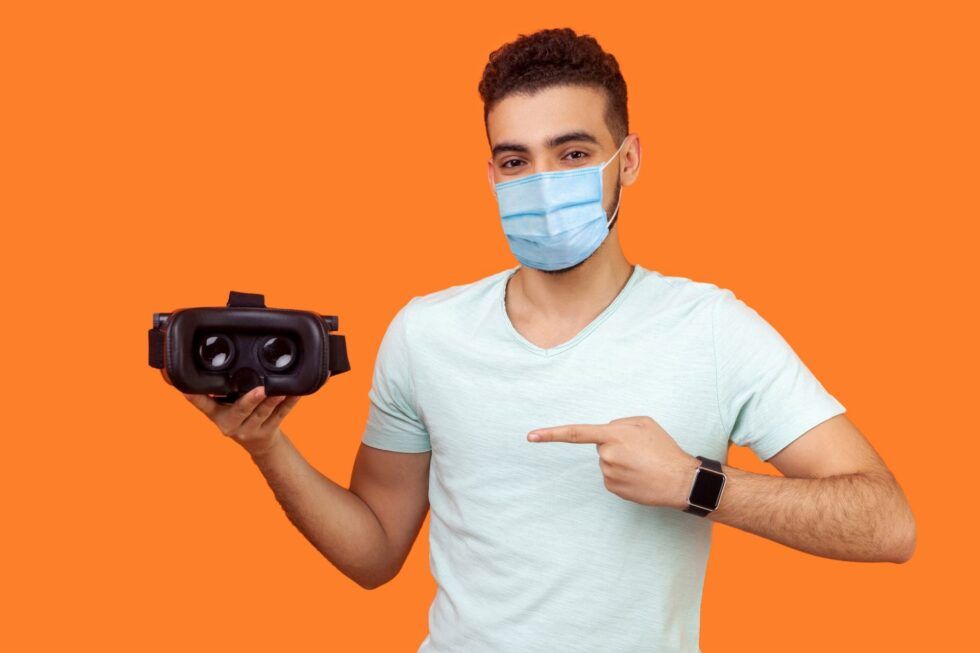
For several months now, people around the world have faced an unprecedented attack on their health, well-being and economy. This has created further obstacles for those already suffering from mental disorders ranging from anxiety to depression to substance abuse. It also creates mental problems in the population on a scale never seen before. The coronavirus is an unseen enemy that has been shown to affect the mental well-being of nearly half of the U.S. population. [1] Given that the pandemic and control methods are likely to continue, these statistics can only get worse, placing an enormous burden on mental health practitioners to remain innovative in supporting and treating their clients.

Mental health and climate change
You may be wondering what the link is between climate change and mental health? After all, how can one impact the other? The WHO (World Health Organisation) indicates that climate change represents a significant risk to mental health. In addition to impacting our planet, these changes will have an impact on anxiety, depression, violence and post-traumatic stress.

Depression in the elderly
Recent years have seen a huge uptick in the use of VR in geriatrics. As Mathias et al reported in a 2019 review of the literature, VR has become an effective tool in screening for and treating cognitive impairment, while it has also found uses in the treatment of Alzheimer's Disease. The use of VR in treating mood disorders and other forms of depression in the elderly has lagged behind, but there are reasons to believe that it will be the next frontier in treating mental health disorders among American seniors. VR has been used with great success in treating ADHD, anxiety, and depression among teens and younger people, leading many geriatrics specialists to see exciting potential for older age groups. So let's look in more detail about how the technology could be applied, and the kind of benefits seniors can anticipate.
What is a phobia ?
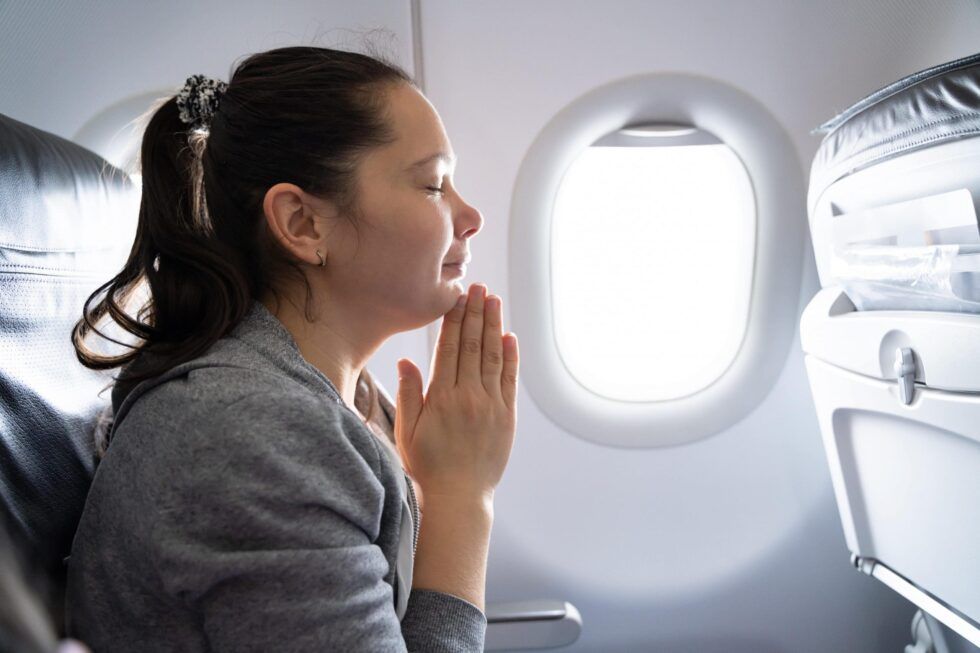
Phobos is the embodiment of fear, he followed his father on the battlefield. The panic fear that he triggered at the mere sight of him translates what a person feels when confronted with the object of his fear. There are many phobias and some are better known than others, among them, agoraphobia and claustrophobia. On the other hand, aviophobia is less so, even though it affects many people who also dream of discovering fine sandy beaches.