
Managing an anxiety attack
As the situation overwhelms us, our anxiety takes on a life of its own, sometimes going so far as to cause a panic attack. This situation is particularly unpleasant for the person experiencing it, with significant physical and psychological symptoms. But this feeling is not irreparable, and there are a few tips for managing your anxiety attack in the emergency of the situation. It is also possible to reduce the risk of panic attack in the longer term by adopting certain strategies.
Key takeaways
- A panic attack is a sudden, intense fear response lasting a few minutes to about half an hour, without real danger present.
- Common symptoms include hyperventilation, sweating, tingling, and psychological effects like fear of losing control.
- Women and naturally anxious people are more affected, with attacks peaking from late adolescence to the early forties.
- Square breathing, cardiac coherence, relaxation, and the 5-4-3-2-1 method help manage an attack in the moment.
- Long-term prevention relies on lifestyle changes, cognitive-behavioral therapy, and virtual reality exposure therapy.
WHAT IS AN ANXIETY ATTACK ?
An anxiety attack, which is also called a panic attack, is considered an anxiety disorder. It can also be thought of as a functional disruption where the body goes on full alert, ready to face a serious imminent danger.
Because of this, it manifests as an intense, sudden, brief fear that triggers physical reactions and associated distressing thoughts. It occurs suddenly and intensely, without always warning and lasts a few (long) minutes, and can last up to about half an hour.
This anxiety occurs when no real danger is perceived. Moreover, it is sometimes difficult for the sufferer to understand the reason for his or her anxiety. Indeed, there is not always a particular reason: these crises can happen at any time and provide the person experiencing them with a feeling of imminent danger, an intense fear of loss of control about the situation or excessive anxiety about the idea of death in this situation. While all of these ideas are associated with physical sensations, the end of the anxiety attack usually causes exhaustion both physically and morally latent.
The anxiety attack usually leads to entering a vicious cycle, since one will be faced with anticipation of the anxiety attack. The person is therefore afraid that a panic attack could arise at any time in a similar situation.
WHAT ARE THE SYMPTOMS OF AN ANXIETY ATTACK ?
Symptoms are specific to a person and an experience. They are therefore variable and difficult to list in a strict manner. From then on, the manifestation of his symptoms during the crisis passes in a few minutes, or lasts up to a half hour. Although, always unique to individuals, its sensations always seem to be powerful, unbearable and uncontrollable.
Hyperventilation
One of the symptoms found in almost all anxiety attacks is hyperventilation. Indeed, hyperventilation is when one's breathing accelerates to the point of becoming particularly rapid, with a need for abundant air and still having the sensation of lacking oxygen. The body is looking for oxygen to fight the stress and escape the anxiety-provoking situation as quickly as possible.
Thus, associated with hyperventilation, there are regular sensations of choking where regaining breath is complicated. The heart speeds up, beats fast and causes heat waves that are complicated to manage.
Other physical symptoms
Many other physical symptoms may be associated with it such as severe transpiration: you sweat especially hard all at once. This is usually accompanied by strong hot flashes or hot sensations that are unpleasant to you.
On the other hand, heat can also be accompanied or not by chills. You have the feeling that your body no longer regulates its temperature and that you are just enduring it.
You may also experience tremors, muscle tension or tingling in various limbs. It can also be accompanied by dizziness, lightheadedness, wobbly legs, headaches… Some parts of your body may also feel engorged.
Finally, you may experience nausea, stomach pain, the feeling of numbness or a sore throat.
Psychological symptoms of an anxiety attack
While we often think of the symptoms of the body, it is not uncommon to regularly find psychological symptoms in the anxiety attack.
In this category, we find the feeling of unreality and loss of control. This sensation involves feeling detached from oneself, like being a spectator of one's own life. It gives the impression of no longer having control over one's life or of going insane.
These thoughts are usually accompanied by catastrophic thinking. These thoughts are linked to the situation and always anticipate the worst possible outcome. For example, if I have an exam and I have prepared for it, I will always imagine that my alarm won't go off, that I will be late, that they will ask me questions I won't be able to answer, that I will fail the exam, and that it will affect my entire academic and professional future. Generally, these catastrophic thoughts lead to a particularly intense fear of dying. One imagines that the anxiety attack will lead to death, which is especially frightening.
Other Symptoms of Anxiety Attacks Related to Culture
The symptoms of an anxiety attack can vary from person to person and from culture to culture. It is possible to observe certain pains (neck pain, arm pain…) or other physical reactions (tinnitus, dizziness, etc.).
WHO IS MOSTLY AFFECTED BY ANXIETY ATTACKS ?
An anxiety attack can be experienced by anyone at any age. It is estimated that over 20% of the population has experienced or will experience at least one anxiety attack in their lifetime. However, certain people are more at risk of experiencing one.
Firstly, women are twice as likely to experience a panic attack as men. Additionally, younger individuals, with a peak in attacks from late adolescence to the early forties, are more susceptible to panic attacks. For older individuals, acute panic attacks can sometimes feel like a heart attack, making it more challenging to recognize the attack for what it is beyond the age of 40.
Lastly, people who are naturally anxious are more prone to having a panic attack. It is possible that, in their youth, anxious individuals suffered from separation anxiety or early trauma, which created a particularly sensitive alert system and emotional regulation difficulties.
WHAT ARE THE CAUSES OF A PANIC ATTACK ?
There is no single, universal reason for a panic attack. The factors are varied and multiple. They may be situational, stem from past experiences, arise from current difficulties, or be triggered by the consumption of certain substances.
Origin from a Specific Situation
It is possible to experience a panic attack whenever confronted with the same situation. This is often the case with phobias (heights, social phobia, spiders, etc.). If we find ourselves in an uncomfortable, unpleasant, and anxiety-inducing situation, our alert system triggers and causes an anxiety attack. However, the origin of these anxiety attacks in specific situations can stem from trauma, upbringing, genetics, etc.
Origin from Past Experiences
Our past shapes us and can sometimes be a factor of anxiety, making us more vulnerable to panic attacks. Parents who were themselves anxious might have instilled the value of "alertness," fostering hypersensitivity and a significant alert system. Hence, the living environment, particularly during the early years, can generate vulnerability to panic attacks.
Moreover, childhood stress or trauma might have led our body to develop a defense and vigilance system against similar or different situations. Experiencing a first anxiety attack increases the likelihood of another. The body remembers its sensations during an anxiety attack and anticipates its possible recurrence, generating additional anxiety and a higher risk of panic attacks.
An Anxiety Attack as a Body Alert
Stressful periods, overwork (at work, school, or personal life), financial or relationship difficulties, etc., can trigger anxiety attacks. Our body and mind suffer, mobilizing all our thoughts and energy to manage anxiety and all the associated emotions and sensations. Anxiety attacks are exhausting and, combined with existing pressure, significantly drain our energy.
Certain Substances Trigger Anxiety Attacks
Consumption of substances such as alcohol or drugs (cocaine, cannabis, hallucinogens, ecstasy…) can cause anxiety attacks. The panic attack can occur immediately after consumption or even several days later. Short-term use of certain substances can worsen or trigger panic attacks.
The AI revolution !
Try our artificial intelligence for free and discover how it can support you in your daily life.

WHAT ARE THE CONSEQUENCES OF A PANIC ATTACK ?
Following one or several panic attacks, numerous consequences can arise.
Initially, a panic attack generally triggers a continual apprehension that another panic attack might occur. In our mind, there is then a constant anticipation of the panic attack. Consequently, a change in behavior towards certain situations that provoke panic becomes evident. Indeed, we may start to act inappropriately, which only reinforces our anxiety about the situation, such as avoiding certain actions or situations.
Subsequently, this anxiety and avoidance tend to lead to other forms of phobias or anxieties such as agoraphobia or claustrophobia. Additionally, if a state of panic persists over time (beyond six months), it may be considered a panic disorder.
HOW TO MANAGE PANIC ATTACKS ?
It is important to address panic attacks and take the time to manage them in order to learn how to control them and avoid being overwhelmed.
Here are a few small exercises to manage a panic attack:
Evaluate Your Panic Attack
Take the time to assess the intensity of your panic attack. Does it feel unbearable and you would rate this anxiety 10/10? Does it seem more transient and manageable?
Evaluating your panic attack helps you become aware of what your body is experiencing and wants to convey. Trying to diminish it at all costs and worrying about its arrival will only increase its intensity and duration.
Manage Your Breathing
Learning to manage your breathing is one of the first steps when you feel a panic attack coming. You need to learn to breathe slowly and consciously. There are several techniques for this:
Square Breathing
This technique is used in "emergency" situations. You feel the panic attack coming, your breathing and heart rate are accelerating, and you feel like you can no longer manage what is happening inside you. Follow these steps:
Inhale for 4 seconds through your nose. Feel the cool air entering your lungs, let in all the emotions that want to accompany you. Make room in your chest for the air you are taking in.
Hold your breath for 4 seconds. Let all your emotions wander inside you. Visualize the air moving through your body.
Exhale for 4 seconds through your mouth. Take the time to let the air leave your body and let go of all the emotions that want to leave you.
Hold your breath again for 4 seconds. Let your body handle the emotions that come into it.
Repeat this exercise 4 or 5 times. Beyond that, you may feel a bit dizzy. The most important thing in this exercise is to steady your breathing so that your heart rate also calms down.
Cardiac Coherence
This method helps regulate heart rate based on our emotions. It emphasizes controlled breathing that aligns heart rate with the rhythm of breathing. Cardiac coherence aims to quickly soothe anxiety. It can be practiced "in emergencies" as well as regularly to reduce anxiety in the long term. The effects are felt immediately after practice and can last up to six hours.
Simply inhale for 5 seconds through your nose, and exhale for 5 seconds through your mouth, repeating this six times.
Practice Relaxation
When you feel anxious, you can do relaxation or meditation for a while.
You can practice Jacobson's progressive muscle relaxation, which involves becoming truly aware of your body. Alternatively, close your eyes, play a relaxation audio, and imagine yourself in a place that calms and relaxes you. Feel good. Listen carefully to the instructions and let yourself be guided.
Find Inner Resources to Reassure Yourself
When you find yourself in a difficult situation, and a panic attack seems imminent, clench your fists, focus on the present moment, and the environment around you by taking into account all the small details of things you like. Always have reassuring phrases in mind, such as "It's going to be okay," "You can do it," or "I am strong." You can also recall phrases that a loved one has said to you that comfort you.
5-4-3-2-1 Method
The idea of this technique is to divert attention from your panic attack while staying focused on your body and senses. It helps refocus on the present moment despite the difficulties encountered. Here, we will use all our senses.
Start with sight. Identify five visual elements around you. Be fully aware of five things you see in your environment. Note their color, texture, size, etc. Examine all the visual information you have about them.
Then, pay attention to four sounds around you. Listen to the small noises, their nuances, how pleasant or unpleasant they are. If you're in an especially quiet environment where it's hard to distinguish four sounds, recall a familiar and comforting sound (e.g., your cat's purring, a loved one's voice, a favorite melody, the soft sound of a piano).
Next, use your touch. Be conscious of or touch three elements in your environment. Feel the floor under your feet, bring your hands close to an object. Feel the texture, temperature, softness, or hardness, and be fully aware of what your body touches.
Continue with smell: identify two smells around you. Imagine the path of this smell in your nostrils and what it evokes for you, whether the smell is soft or not, if it tickles your nostrils, etc. If you don't smell anything in your current environment, imagine comforting smells you like that you've associated with calmness.
Finally, use taste. Either drink a beverage, eat something, and think about the taste, or, if those aren't available, be conscious of the taste of your saliva.
This technique should stabilize your state and reduce signs of anxiety.
Pay Attention to Your Physical Sensations
Always be aware of the physical sensations you experience. When you're having a panic attack, try to pay attention to all the associated physical sensations, like a faster heartbeat, your breathing, trembling legs, clammy hands, etc.
Remember that a sensation is just physical. What makes it unpleasant is the thought associated with it. Try to think of a pleasant environment and associate these physical sensations with it.
HOW TO PREVENT PANIC ATTACKS ?
Panic attacks generally occur spontaneously. However, there are some tips to prevent and avoid frequent recurrence, breaking the vicious cycle.
First, try to identify your anxiety. Ask yourself what specifically causes your anxiety. If your panic attack occurred in a specific place, ask yourself what worries you specifically about that place.
Secondly, remember that lifestyle is particularly important to reduce the frequency of panic attacks. Try to follow different hygienic-dietary rules. These include regular physical activity (2-3 times a week for 20-30 minutes), paying attention to your diet while enjoying yourself (eat sweets if they make you happy, but avoid stimulants like drugs and alcohol), exposure to sunlight (vitamin D is essential!), getting enough sleep, maintaining a proper sleep rhythm, and nurturing your relationships.
Additionally, rationalize your anxiety. Create a chart with your anxieties, listing the "pros" (reasons for your anxiety, validating your fears) and "cons" (ideas that counter the reasons for your anxiety). This way, give credit to the counter thoughts. When anxiety arises, recall the elements you highlighted in this exercise. This idea aligns with Beck's cognitive model used in cognitive-behavioral therapy.
Lastly, consider creating a routine of relaxation, meditation, or yoga. Practice it regularly (without it becoming a constraint). Working on letting go, mindfulness, and self-confidence during relaxation sessions can significantly reduce stress in the long term.
WHAT LONG-TERM SOLUTIONS EXIST FOR MANAGING PANIC ATTACKS ?
Taking action at the first symptoms or after the first panic attack is fundamental. It helps to understand your anxiety, reduce its occurrences, and prevent it from generalizing to new situations.
Beyond the techniques mentioned above, such as cardiac coherence, breathing techniques, and relaxation, cognitive-behavioral therapy (CBT) is appropriate. This therapy helps understand the origin of anxiety while addressing it through exercises and alternative strategies to cope with it. Thus, it is possible to conduct gradual and appropriate exposures to the anxiety-inducing or panic-attack-triggering situations.
Virtual Reality Exposure Therapy (VRET), which falls under cognitive-behavioral therapies, is particularly suitable as exposures are done gradually and appropriately, saving time for both the user and the therapist. Moreover, relaxation in virtual reality allows for a rapid and immersive experience, significantly reducing anxiety quickly.
Create a free C2Care account
Get more information and try out a scene incorporating artificial intelligence directly online.
Frequently asked questions about managing panic attacks and virtual reality
How long does a panic attack last?
A panic attack usually lasts a few minutes, but it can continue for up to around half an hour. Symptoms vary from person to person and depending on the experience.
How can you calm a panic attack quickly?
Box breathing—inhale, hold, exhale and hold for 4 seconds at each stage, repeated 4 to 5 times—can help stabilize the heart rate. Cardiac coherence breathing—inhaling for 5 seconds and exhaling for 5 seconds, repeated six times—can also help reduce anxiety quickly.
Who is most affected by panic attacks?
More than 20% of the population will experience at least one panic attack in their lifetime. Women are twice as likely to experience them as men, with a peak between late adolescence and the early forties.
What is the difference between a panic attack and panic disorder?
An isolated panic attack may develop into panic disorder when persistent apprehension continues for more than six months. Constantly anticipating another attack often leads to behavioural changes and avoidance of the situations concerned.
What techniques can help prevent panic attacks?
Identifying the specific causes of anxiety can help address them in advance. Healthy lifestyle habits, including regular physical activity, good sleep and a balanced diet, together with challenging anxious thoughts based on Beck’s cognitive model, can help reduce the frequency of attacks.
What long-term treatment is available for recurring panic attacks?
Cognitive behavioural therapy helps patients understand the causes of their anxiety and address them through gradual exposure exercises. Virtual reality exposure therapy is part of this approach and provides progressive, tailored exposure to anxiety-provoking situations.
Can virtual reality cause discomfort?
A phenomenon known as cybersickness may occur in some users, but it is reversible. Starting with static environments and gradually introducing movement can help the body adapt to the sensation of motion experienced through the headset.
How does the AI assistant Camille work during exposure therapy?
The AI assistant Camille supports the patient without judgment during therapeutic exposure sessions and provides a reassuring point of reference. The virtual characters in the scenarios reproduce realistic social behaviours for simulated situations.
Author
C2Care
Related articles
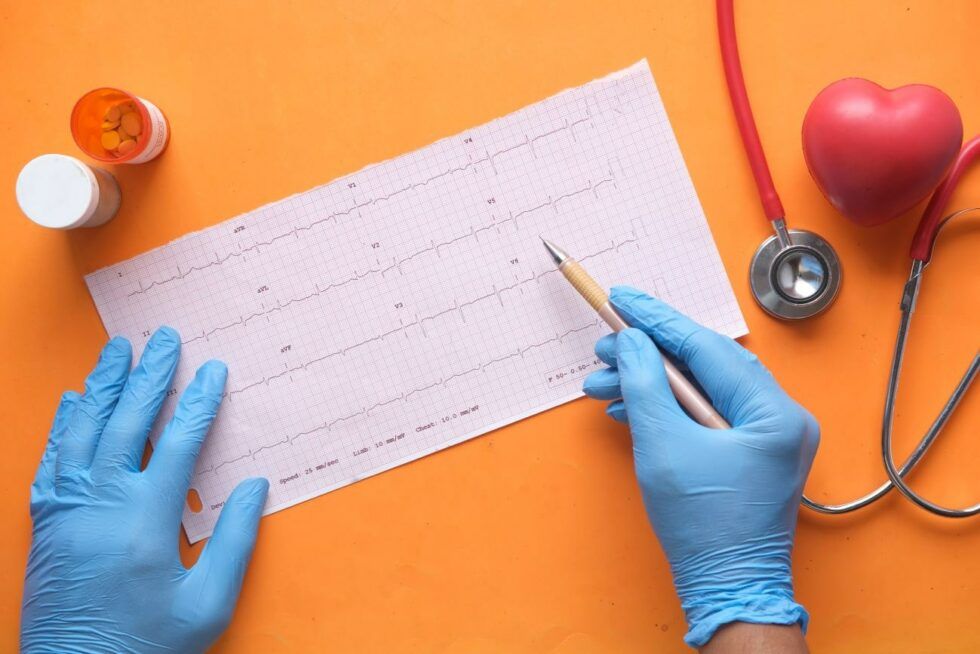
Cardiac coherence
Cardiac coherence is a breathing technique that aims to immediately decrease the heart rate in a particularly stressful situation. You can be fully involved in the regulation of your emotions in just 15 minutes a day.
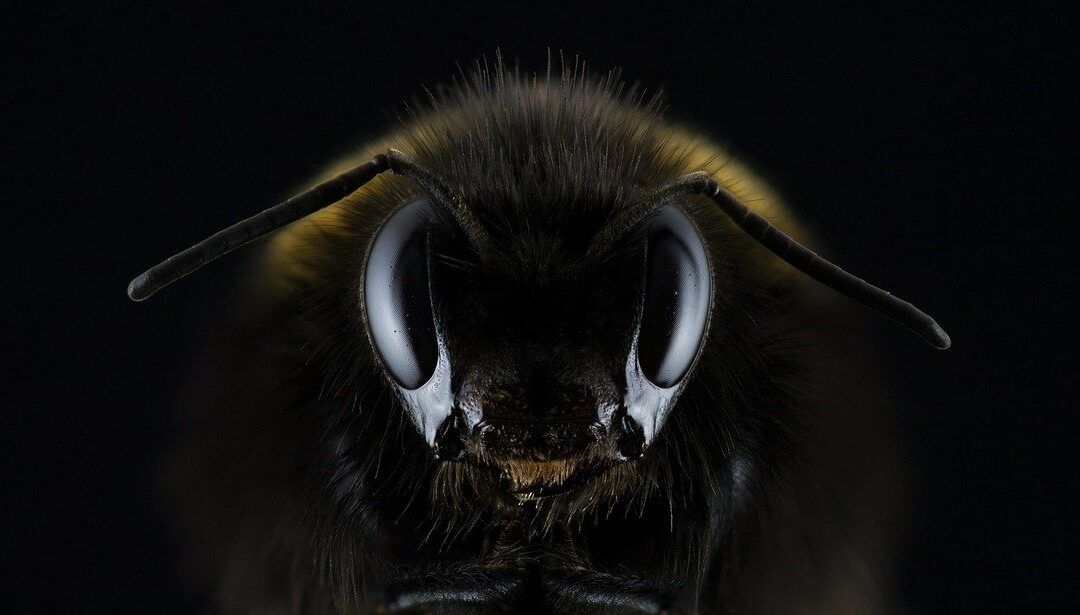
Fear of Insects: A Widespread Phobia
The extreme fear of insects is called entomophobia and is one of the most common forms of phobia. It causes panic and acute anxiety in its victims, but there are effective ways to get rid of it, such as virtual reality, medication, etc. Psychologists offer virtual reality therapy to help clients overcome this fear by engaging in risky situations in a safe, virtual setting. These specialists use control parameters to adjust the computer-generated environment. The complex virtual environments involve replicating aspects of the real world through 360-degree views, 3D graphics and sound. Children and adults can develop entomophobia, especially when they have had hostile experiences with a particular insect. With approximately 6% of the population suffering from entomophobia, C2Care provides its clients with psychological and medical treatment for various fears, eating disorders, addiction-related stress, and implements virtual reality exposure therapy into their program. Keep reading to understand how virtual reality can help eradicate the fear of bugs.
Barlow's etiological model
Barlow's etiological model is presented in the second group therapy session. This model explains the causes of phobias, anxiety, OCD… According to this model, there may be a biological hereditary vulnerability, that is, a sensitivity to anxiety that is passed on by the parents. This sensitivity has advantages: it allows us to be sensitive to the environment and the people around us. This can be an advantage in human care (nurses, care assistants, psychologists), with animals (veterinarians) but also in the arts. Artists are often anxious people but also sensitive to the environment, and this sensitivity is very useful in the creative world.
Sophrology
Reducing anxiety by being in complete control of one's body and thoughts is the very principle of sophrology. This therapeutic technique is based on various methods of relaxation, breathing, and imagery that lead to a rapid and long term appeasement. Sophrology has also proven itself when used in conjunction with virtual reality.
Fear of abandonment
The fear of abandonment is a major anxiety related to the idea that we do not deserve the love of the other and that we will be quickly rejected. This anxiety has a significant impact on your life. It is a factor of anxiety and psychological suffering. You sometimes have reactions of isolation, irritability, jealousy, aggressiveness that you don't always understand towards the people you love. A fear of abandonment eats away the little joys you may have in your daily life.
Understanding your stress
It is not always easy to understand and recognize stress in a situation. It is sometimes difficult to know to which element this anxiety refers. And yet it is necessary to reduce this anxiety, its symptoms and find serenity in everyday life.