
Transport phobia treatment
Supporting patients through transport-related anxiety with virtual reality
Public transport, driving and flying can trigger intense anxiety that disrupts both personal and professional life. Virtual reality exposes patients to feared transport situations in a controlled environment, helping them regain confidence in their ability to adapt to unforeseen circumstances.
According to psychiatrist Eric Malbos, virtual reality exposure reaches 80% effectiveness, with benefits lasting more than a year after treatment.
- +350
- facilities
- equipped
- +700
- practitioners
- trained
- +10
- years
- of expertise
- +25
- countries
- of deployment
About C2Care and transport phobia
What is transport phobia?
Transport phobia covers intense, irrational fears linked to driving (amaxophobia), flying (aviophobia), or using the subway. It can be triggered by confinement, crowds, turbulence or the risk of losing control, often with physical symptoms such as sweating or palpitations.
Left untreated, it restricts daily commutes and professional travel. Virtual reality exposure lets patients confront these situations gradually, in a safe and controlled environment.
How it works
A complete solution for transport phobia
C2Care combines virtual reality equipment, a therapeutic platform and personalized support to help practitioners treat transport-related anxiety.

Headset & hardware
The virtual reality headset immerses patients in realistic transport situations, from driving a car to boarding a plane or riding the subway.

Therapeutic platform
The C2Care platform gives practitioners a control panel to launch each transport scene and precisely adjust stimuli during the session.

Personalization
Vehicles, weather conditions, flight phases and even a public transport breakdown can be adjusted to match precisely what triggers the patient's anxiety.

Support
The assistant IA Camille supports patients throughout each exposure, offering a non-judgmental presence alongside the practitioner's follow-up.
How it works
How to use C2Care for transport phobia
- 1
Choose the environment
The practitioner selects the transport situation to work on: driving on a specific road, a flight phase or a subway journey.
- 2
Equip the patient
The patient puts on the virtual reality headset. For driving-related anxiety, a wheel and pedals can be added for a more realistic experience.
- 3
Adjust the exposure
The practitioner fine-tunes vehicles, weather conditions, flight phases or a subway breakdown to progressively increase the intensity of exposure.
- 4
Support
Throughout the session, the practitioner and the assistant IA Camille support the patient in understanding and managing their anxiety.
Environments
Transport environments available in virtual reality
Each transport-related scene can be adjusted to match the exact situation causing the patient's anxiety.

Driving environments
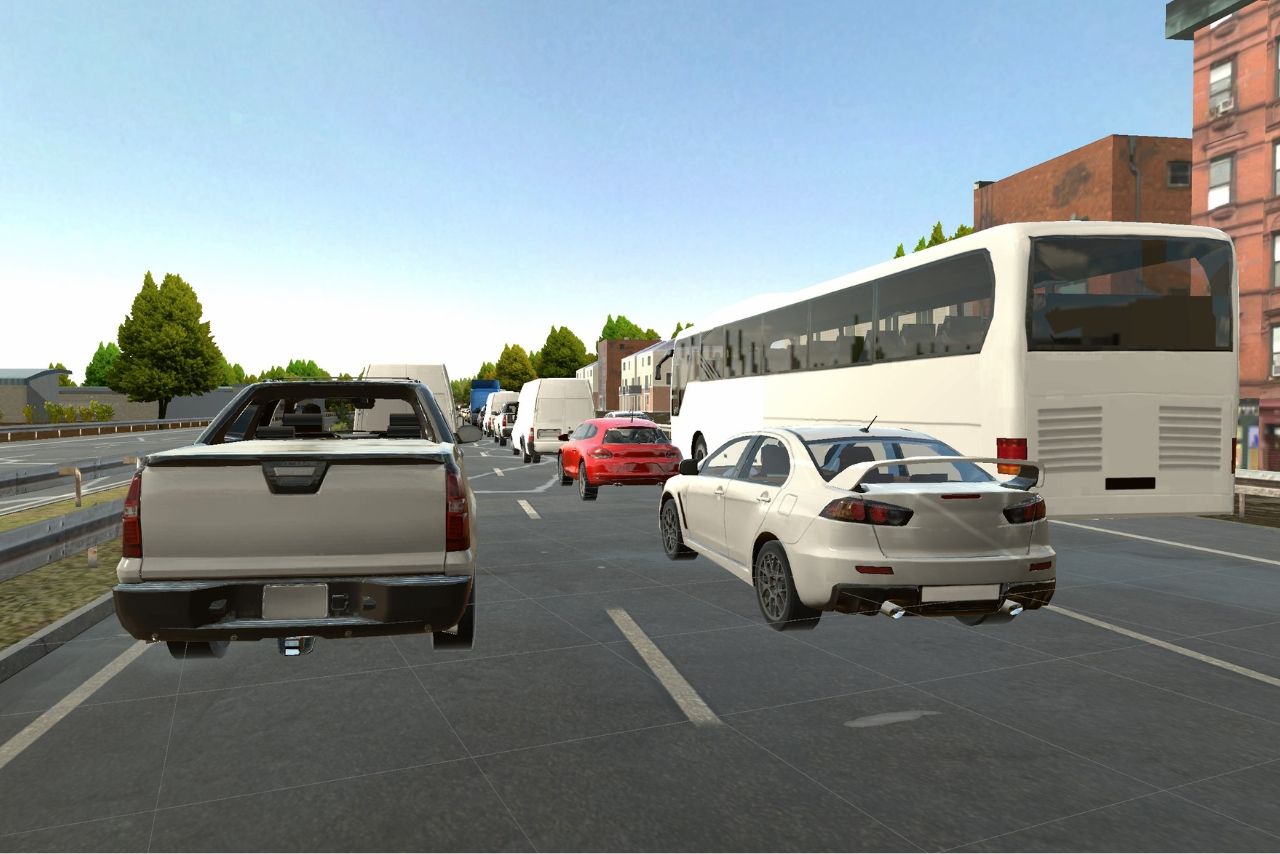
Scenes include various types of cars, vans, trucks, buses and motorcycles, so patients can focus on the specific vehicle that triggers their anxiety.
- Weather conditions: clear skies, heavy rain, fog or night driving.
Flight environments
From boarding to takeoff, turbulence and landing, every flight phase can be addressed to help patients acclimate step by step.
More details Subway environments
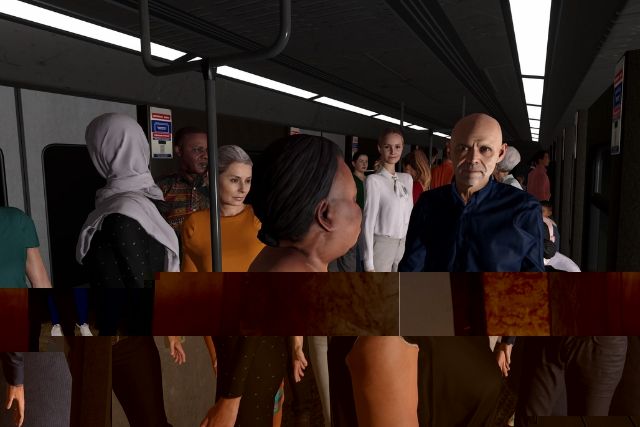
Scenes replicate confinement, crowds and the feeling of having no way out, allowing patients to regain confidence in using public transport.
More details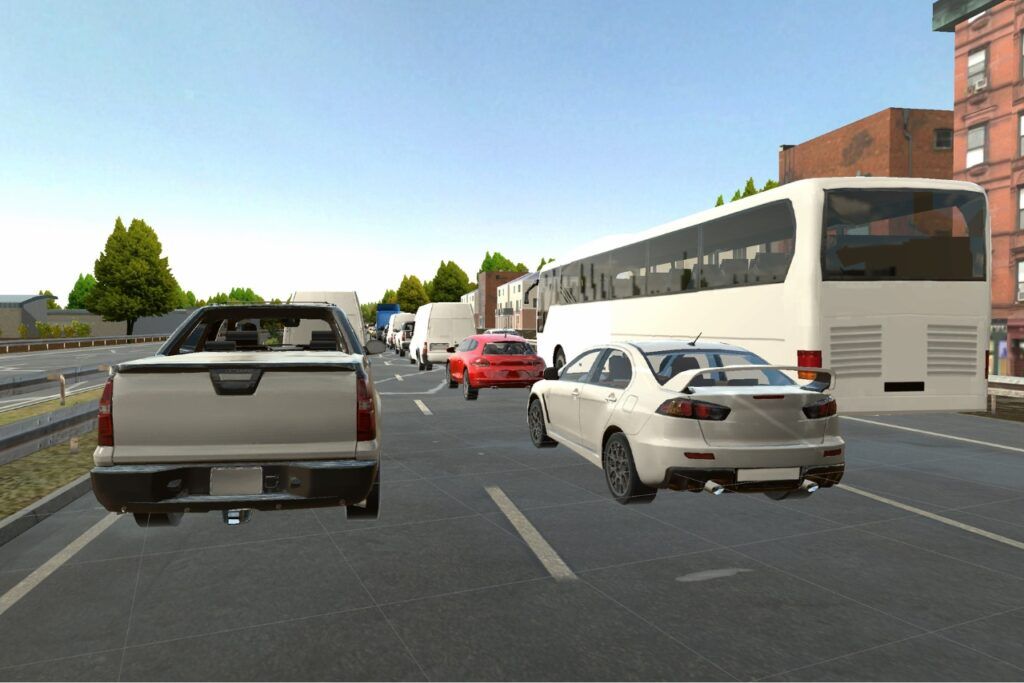
Public transport breakdown
A breakdown scenario can be programmed within transport environments to amplify the sensation of being trapped, allowing deeper work on agoraphobia.
More detailsTherapeutic applications
Which transport-related disorders does C2Care treat?
Several anxiety disorders are linked to transport situations and can be addressed with virtual reality exposure.
Amaxophobia
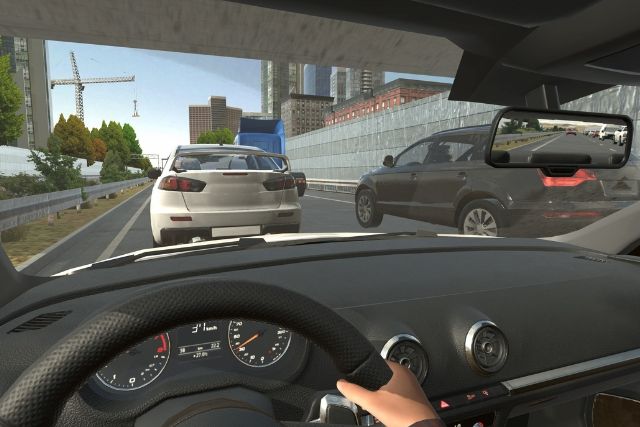
Amaxophobia is an excessive fear of driving or being involved in a car accident, triggered by specific roads, weather conditions or even riding as a passenger. With virtual reality, patients can take control of a vehicle and work progressively on driving-related anxiety in a safe environment.
 Learn more
 Aviophobia
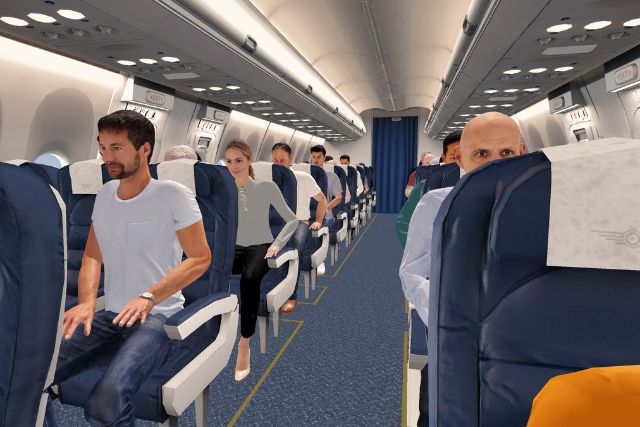
Aviophobia, the fear of flying, can be triggered by turbulence, heights, confinement or fear of an accident, often with physical symptoms such as sweating or palpitations. Simulating boarding and flight phases in virtual reality lets patients acclimate step by step and gradually reduce their anxiety.
 Learn more
 Fear of the subway
Fear of the subway is linked to confinement, crowds or the feeling of having no way to escape, which can heavily disrupt daily commutes. Regular exposure to virtual subway environments helps patients regain confidence and use public transport again.
Claustrophobia
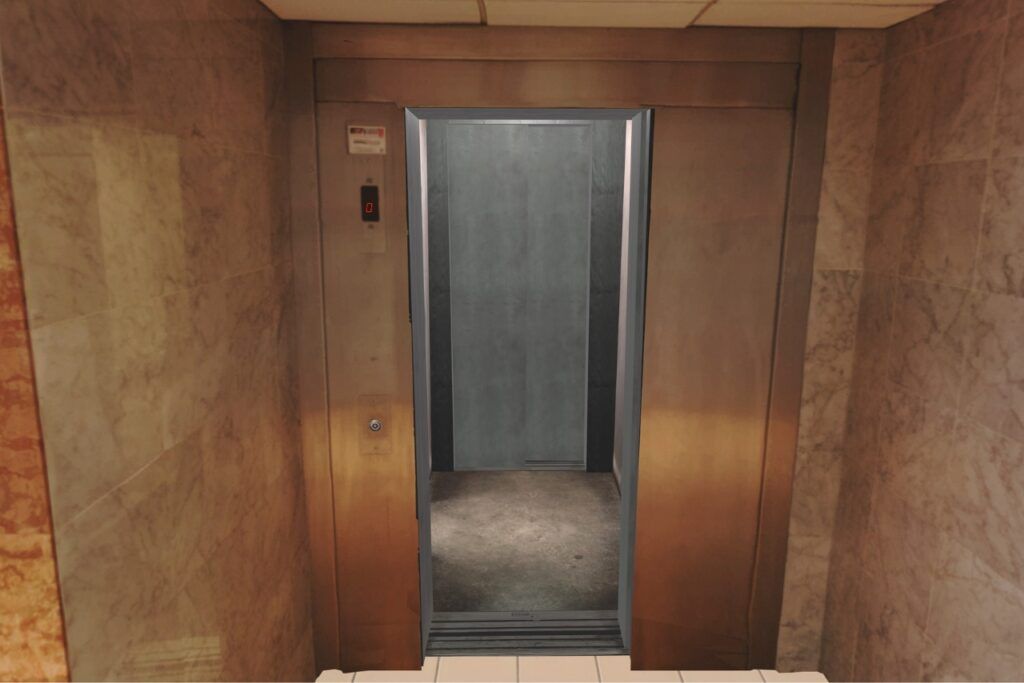
Claustrophobia, often associated with transport phobia, involves an intense fear of confined spaces such as a subway car or an airplane cabin. C2Care's virtual environments allow graduated exposure to these confined settings so patients can build tolerance progressively.
 Learn more
 Agoraphobia
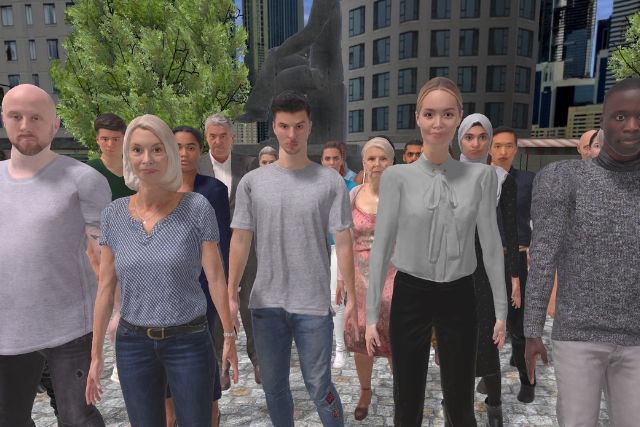
Agoraphobia can be reinforced by transport situations where escape feels impossible, such as a public transport breakdown. C2Care can program this type of scenario to work more deeply on this fear in a controlled setting.
 Learn more
 Success stories
They share their experience with C2Care
Patients and practitioners describe how virtual reality helped them address transport-related anxiety.
Success stories
Why choose C2Care?
+350
facilities
equipped
+700
practitioners
trained
+10
years
of expertise
+25
countries
of deployment
FAQ
Frequently asked questions about transport phobia and virtual reality
Find answers to the most common questions from practitioners and patients about virtual reality exposure for transport-related anxiety.
What is amaxophobia?
Amaxophobia is the fear of driving, an excessive and irrational fear of driving or being in a car accident. It can occur on specific roads, in certain weather conditions, or even as a passenger. Virtual reality lets users take control of a vehicle to work gradually on this anxiety in a safe environment.
What is aviophobia?
Aviophobia is the fear of flying, often linked to turbulence, heights, confinement, or accidents, and accompanied by physical symptoms like sweating. Virtual reality simulates boarding and flight phases so patients can acclimate step by step and gradually reduce their anxiety.
Can virtual reality help with fear of the subway?
Yes. Fear of the subway is linked to confinement, crowds, and the lack of escape routes. By repeatedly exposing patients to a simulated subway journey, virtual reality helps them regain confidence and use public transport again.
Can the driving environment be customized?
Yes. Environments can be adjusted by vehicle type, including cars, vans, trucks, buses, and motorcycles, as well as by weather conditions such as clear skies, rain, fog, or night. High anxiety is often tied to these specific driving conditions.
Which flight phases can be simulated for fear of flying?
Virtual reality can simulate boarding, takeoff, turbulence, and landing. Each phase can be addressed separately, allowing patients to work gradually through the moments that trigger the most anxiety.
Can I feel nauseous while using the headset?
It can happen; it's called cybersickness, a well-known and reversible phenomenon that affects some patients. Starting with static environments, then adding slight head movements, helps the body adapt to the sensation of movement in the headset.
Who should not use virtual reality exposure therapy?
People with epilepsy or who are pregnant are not advised to undergo this type of therapy. Beyond these cases, virtual reality is used across a wide age range, from adolescents to elderly patients, with documented therapeutic benefits.
Who do I contact if my headset has a technical issue?
You can reach C2Care's technical support via live chat from your control panel. The team will help diagnose the problem and, if the equipment is defective, replace it within 48 hours.
Who can use virtual reality for treatment?
Virtual reality exposure is used by practitioners in CHU, private practice, hospitals and clinics to treat patients with transport-related anxiety, among other disorders.
What are the benefits for therapists using virtual reality?
Integrating virtual reality lets therapists differentiate their practice from traditional treatment options, backed by research on virtual reality exposure therapy. It also fosters greater patient engagement and saves time by giving direct access to exposure environments without external logistics.
Do I have access to all environments?
Access depends on the subscription chosen with C2Care. Each plan can include a specific selection among the more than 250 available scenes.
Who should I contact in case of software issues?
C2Care's technical support team can be reached via live chat from the control panel. If a headset issue occurs, the team helps diagnose the problem and provides a return label, replacing defective equipment within 48 hours.
Which patients can benefit from virtual reality exposure therapy?
Virtual reality is effective across a wide age range, from adults to adolescents and elderly patients. Studies show significant results in anxiety disorders (including school phobia), autism, addictions, eating disorders, neuropsychological and psychotic disorders, and mood disorders, with added therapeutic engagement among adolescents and benefits for elderly patients on cognitive stimulation and behavioral disorders.