
Care offers for individuals
Guiding individuals and their practitioners through anxiety, phobias, and addictive behaviors
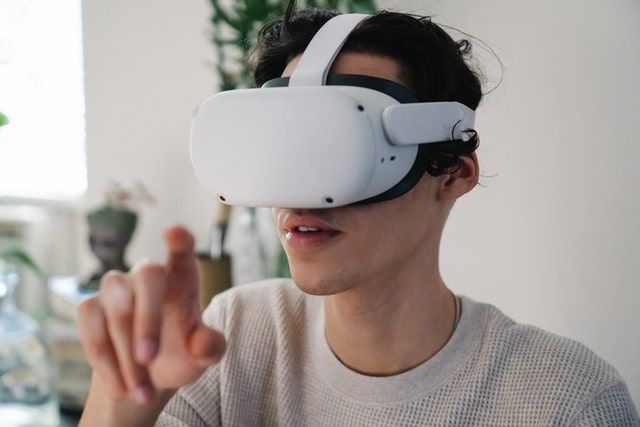
Virtual reality and artificial intelligence recreate immersive environments for progressive, safe exposure to feared situations. C2Care's programs are personalized to each individual, whether the challenge is a phobia, social anxiety, an addictive behavior, or generalized anxiety, to support lasting change in daily life.
- +350
- facilities
- equipped
- +700
- practitioners
- trained
- +10
- years
- of expertise
- +25
- countries
- of deployment
About C2Care and virtual reality therapy for individuals
What is virtual reality exposure therapy for individuals?
C2Care's individual care offers combine virtual reality and artificial intelligence to help people confront fear and anxiety. Immersive environments recreate real anxiety-provoking situations, allowing progressive and safe exposure. Support is personalized to each individual, whether the difficulty is a phobia, social anxiety, an addictive behavior, or generalized anxiety, to improve well-being in daily life.
How it works
A complete solution for individual care
C2Care combines virtual reality, artificial intelligence, and practitioner guidance to support individuals throughout their exposure programme.

Headset & hardware
Each session runs on a virtual reality headset that recreates anxiety-provoking situations in a controlled, immersive environment.

Therapeutic platform
The C2Care platform lets practitioners select and monitor exposure scenarios tailored to phobias, social phobia, addictive behaviors, or anxiety disorders.

Personalization
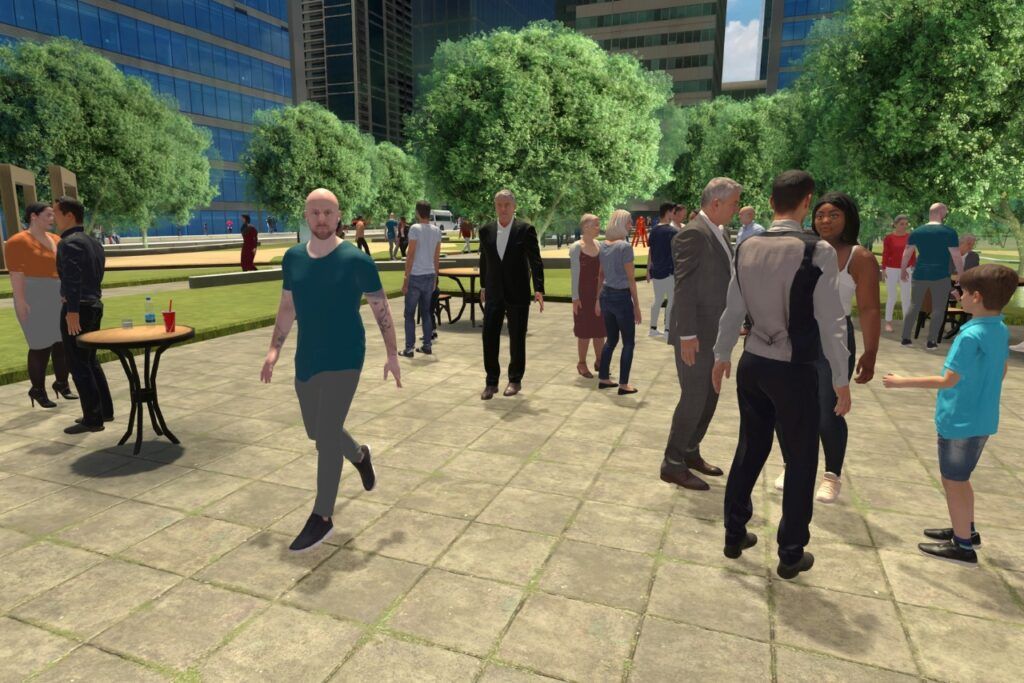
Weather conditions, crowd density, platform appearance, or social scenarios can all be adjusted to match the exact situation a patient needs to confront.
Support
Camille, C2Care's assistant IA, and virtual characters accompany the patient during exposure, offering guidance without fear of judgment.
How it works
How the C2Care programme works
- 1
Choose the environment
The practitioner selects an environment matching the patient's phobia, addictive behavior, or anxious situation.
- 2
Equip the patient
The patient puts on the virtual reality headset and is immersed in the chosen scene under the practitioner's supervision.
- 3
Adjust the exposure
Weather, crowd density, or scenario difficulty is increased step by step, allowing gradual exposure at the patient's own pace.
- 4
Support
Camille, the assistant IA, and the practitioner guide the patient through each session, reinforcing positive thought patterns.

Environments
Customize your exposure environments
Every scene can be adjusted precisely to match the situation a patient needs to confront.

Social scenarios
- A casual gathering with friends
- A job interview
- A presentation
- A romantic date
Therapeutic applications
Which disorders can C2Care address?
C2Care's virtual reality exposure programmes address several difficulties encountered by individuals.
Specific phobias
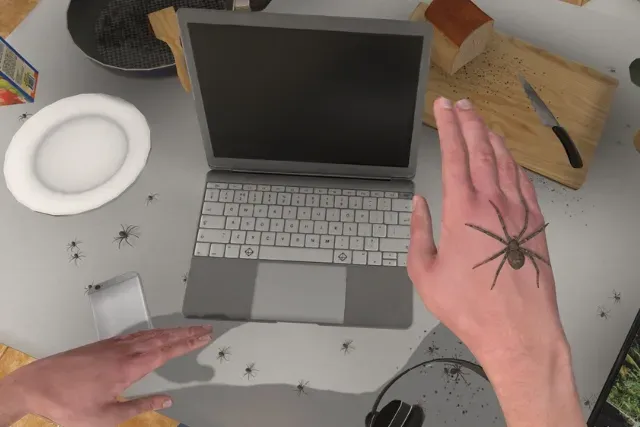
A phobia is an intense and irrational fear of an object, situation, or concept, such as enclosed spaces, heights, or certain animals. C2Care's customizable environments let patients gradually expose themselves at their own pace, turning feared situations into manageable challenges.
 Learn more
 Social phobia
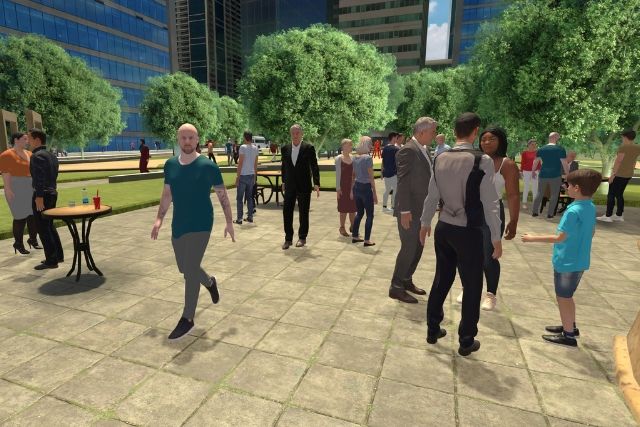
Social phobia causes intense anxiety about negative judgment from others, particularly around public speaking. Through gradual exposure to formal and informal social contexts, patients regain control of their emotions and rebuild self-confidence.
 Learn more
 Addictive behaviors
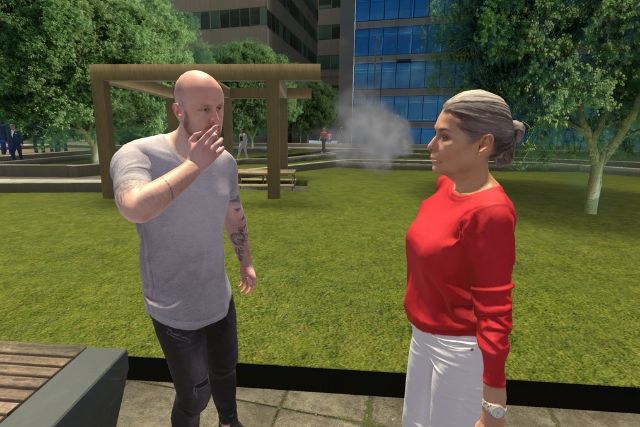
C2Care's environments recreate ecological situations containing craving cues linked to the addictive behavior. Patients work on both the underlying dysfunctional beliefs and the problematic behavior itself, with methods to manage cravings.
 Learn more
 Anxiety disorders
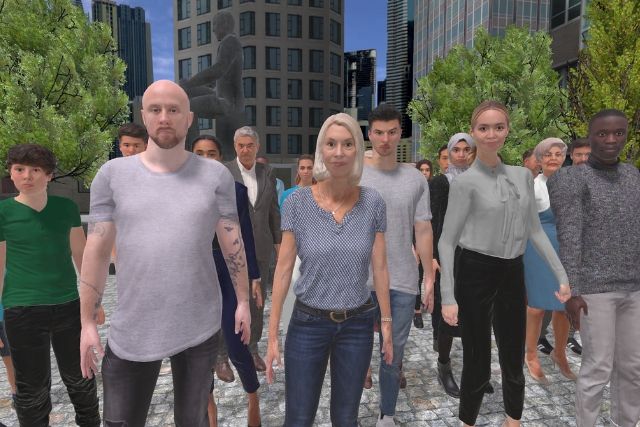
Anxiety becomes a disorder when it disrupts daily life, often alongside depression, ADHD, or generalized anxiety disorder. C2Care's simulated situations help patients develop strategies to better manage their emotions and regain self-confidence.
 Learn more
Success stories
They share their experience with C2Care
Lives changed thanks to our method: individuals treated with C2Care describe how virtual reality exposure changed their daily life.
Success stories
Why choose C2Care?
+350
facilities
equipped
+700
practitioners
trained
+10
years
of expertise
+25
countries
of deployment
FAQ
Frequently asked questions about C2Care's care offers for individuals
Here are answers to the most common questions about virtual reality exposure therapy and the C2Care programme.
How long has this technology been around?
C2Care has been developing and testing its virtual reality software with hospitals since 2016. The method relies on established cognitive-behavioral principles, refined over time through collaboration with practitioners and continuous technological advancements in immersive environments and artificial intelligence.
How long does my subscription last?
On average, completing the full C2Care method takes about six months, though this duration is adjusted to each person's needs. The subscription renews automatically each month, with no long-term commitment.
What equipment do I need?
The C2Care method is followed using a virtual reality headset connected to your account. If the headset develops a problem, our technical support team helps diagnose it and provides a replacement within 48 hours if necessary.
Is this method truly effective?
Cognitive Behavioral Therapies are extensively documented in scientific literature, and virtual reality is considered a powerful tool for treating anxiety disorders. C2Care works with numerous practitioners, including hospitals, private psychologists and clinics, and regularly improves its tools based on their feedback.
Who should I contact if I have a technical problem with the software?
Our technical support team is available through live chat from your control panel. If your headset develops a problem, the team helps diagnose it and, if necessary, provides a return label with replacement within 48 hours.
How can I cancel my subscription?
As the subscription involves no commitment and renews monthly, you can cancel it at any time before the next renewal date.
Who should I contact in case of software issues?
Our technical support team can be reached via live chat from your control panel. If you experience any issues with your headset, we will help diagnose the problem and, if necessary, provide a return label and replace the defective equipment within 48 hours.
How long does a typical exposure session last?
A virtual reality exposure session usually lasts 30 to 40 minutes.
How many sessions are needed to see progress?
On average, 8 exposure sessions are needed, though this varies according to each patient's needs and progress.
How many practitioners use C2Care?
More than 1,000 practitioners use C2Care, across university hospitals, private practices, hospitals, and clinics.
In how many countries is C2Care used?
C2Care is used in close to 50 countries.