
Virtual nature, real well-being
Regular exposure to nature is an integral component of good mental health. The sun, the greenery, the wind, are all elements that contribute to a good psychological balance and a better quality of life. However, certain unforeseen events in life sometimes prevent us from taking full advantage of these benefits. Here we highlight an alternative solution to enable as many people as possible to enjoy nature: virtual nature.
Key takeaways
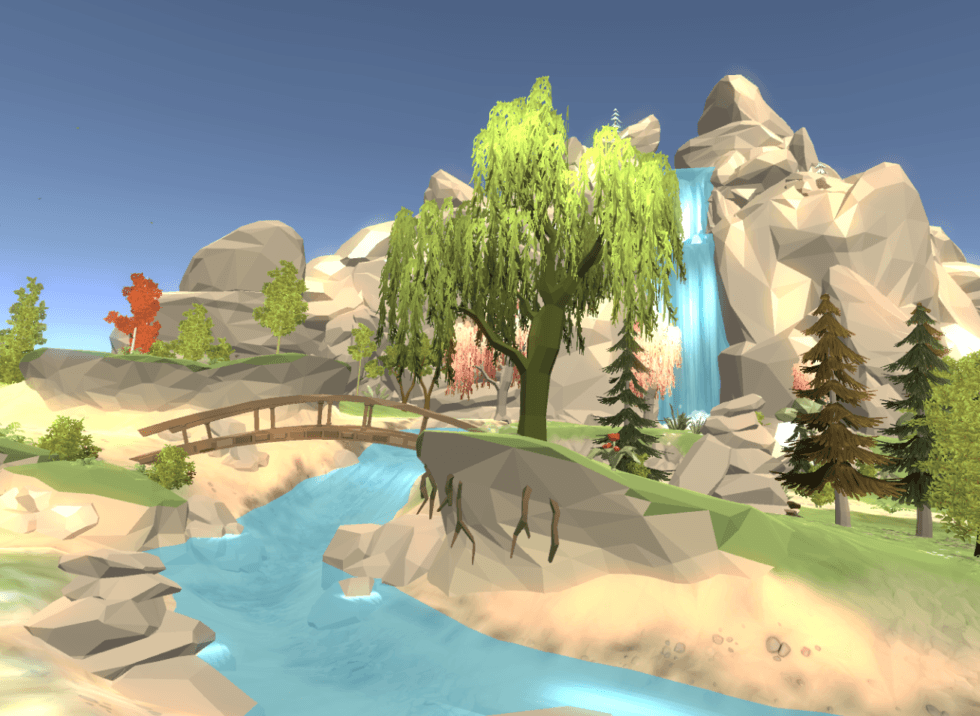
- Virtual nature recreates natural environments (360° footage or 3D models) through visuals and sound.
- It activates the limbic system, easing anxiety, stress and agitation like real nature.
- It helps urban residents, immobile patients, people with neurodegenerative disorders, chronic anxiety or depression, and palliative care patients.
- It complements, not replaces, real nature access, especially useful during confinement periods.
WHAT IS VIRTUAL NATURE ?
Virtual nature is the use of digital environments that mimic nature through visuals and sounds to immerse a person in an experience close to reality. This virtual nature can be very realistic, using 360° photos or videos, or more fantastical, using computer-generated images and 3D models, which allow for greater creative freedom and offer experiences otherwise impossible to live. Autumn forests, underwater diving, or even a space journey, virtual reality provides access to a wide range of enriching experiences on cognitive and emotional levels. The environments can be static or offer movement within the environment, adapting to the needs and limitations of each patient.
HOW DOES VIRTUAL REALITY RELAXATION WORK ?
When exposed to virtual reality environments, the limbic system, responsible for the emotional interpretation of the environment, activates more quickly than the more evolutionarily recent parts. This allows for an emotional impact close to or equal to reality. Thanks to this phenomenon, it is possible to use this tool to create experiences that can be valuable for regulating an individual's emotional state. Thus, virtual nature presents the same positive effects as real nature. It helps bring about a state of relaxation, reduces anxiety symptoms, better manages stress, reduces agitation, and increases the perception of well-being.
WHO CAN BENEFIT FROM VIRTUAL NATURE ?
Virtual nature can benefit everyone, but it may be particularly recommended for certain groups:
- People in urban areas, who often have fast-paced, stressful lives and limited access to nature despite increasing vegetation in these spaces. Virtual nature allows for the regular enjoyment of nature's benefits to relieve everyday stress.
- Immobile individuals who cannot access real nature. Virtual reality can provide the benefits of nature and also work on exploration and enjoyment, combating depressive symptoms that may accompany prolonged immobility.
- People with neurodegenerative disorders, especially those with behavioral issues, agitation, or wandering. These symptoms are alleviated by exposure to nature and travel, and virtual nature offers a simple solution for both home and specialized facilities.
- Those suffering from chronic anxiety and depression, conditions for which exposure to nature has been extremely beneficial. However, these disorders significantly impact psychomotor function, making access to treatment and helpful elements difficult. Virtual reality offers an easier initial access to nature, helping to reduce anxiety symptoms, anhedonia, and can contribute to behavioral activation necessary for treatment.
- Virtual nature is also beneficial in palliative care. It helps relieve anxiety, pain from illness, and offers experiences of exploration and wonder in a difficult context.
- In the context of workplace quality of life, virtual nature can help reduce stress by providing moments of pause and relaxation. Besides promoting good mental health for employees, this practice can increase productivity and well-being at work.
And many other situations. Virtual nature and virtual reality relaxation are versatile solutions that can easily apply to numerous situations with high acceptability and very few contraindications.
AND WHAT ABOUT REAL NATURE?
It is obvious that regular access to real natural environments remains the ideal solution and should be part of everyone's lifestyle. However, as we have seen, this access is not always easy or possible. This tool does not aim to replace nature with screens, a rather dystopian and frightening scenario. The goal is to facilitate access to a valuable mental health resource for people who face many barriers to fully enjoying it.
The recent COVID crisis highlighted potential difficulties related to confinement and the lack of contact with nature. Virtual nature opens up possibilities for supporting well-being and mental health in a broader range of challenging conditions.
The AI revolution !
Try our artificial intelligence for free and discover how it can support you in your daily life.

Frequently asked questions about virtual nature and virtual reality
Why use virtual reality in mental health treatment?
Virtual reality lets praticiens expose patients to anxiety-inducing situations gradually, within a controlled and reproducible environment. It increases patient engagement, adapts to each patient's needs, and supports treatment of anxiety disorders, phobias, addictions, mood disorders and cognitive difficulties.
Since when has C2Care been used in hospitals?
C2Care's software has been tested and used in hospitals since 2016. This long-standing use has helped refine virtual environments and support praticiens across a wide range of clinical settings.
Can virtual reality be dangerous?
Virtual reality is not considered dangerous for most patients. However, it is not recommended for people with epilepsy or for pregnant individuals, for whom this type of therapy should be avoided.
Can I feel nauseous while using the headset?
This can happen and is called cybersickness, a phenomenon affecting around 10% of users. It is reversible: start with static environments, then progress gradually to slower movements to help your body adapt.
What are the benefits for therapists using virtual reality?
Virtual reality helps therapists differentiate their practice, save time by avoiding external logistics, and increase patient engagement through immersive, interactive scenarios. It is also backed by extensive research supporting its use as a treatment method.
Who should I contact if I have a technical issue?
C2Care's technical support team is available via live chat from your control panel. If your headset is defective, the team will diagnose the issue and, if necessary, provide a return label and replace it within 48 hours.
How is artificial intelligence used in virtual nature experiences?
C2Care combines artificial intelligence with virtual nature scenes through the assistant IA Camille, who offers non-judgmental support, and through virtual characters that replicate real-life social behaviors within the environments.
What pathologies can be treated with virtual reality?
Virtual reality has shown good feasibility and results for anxiety disorders, including school phobia, as well as autism, addictions, eating disorders, neuropsychological disorders, psychotic disorders and mood disorders, particularly in adult patients.
Author
C2Care
Related articles
Fear of Insects: A Widespread Phobia
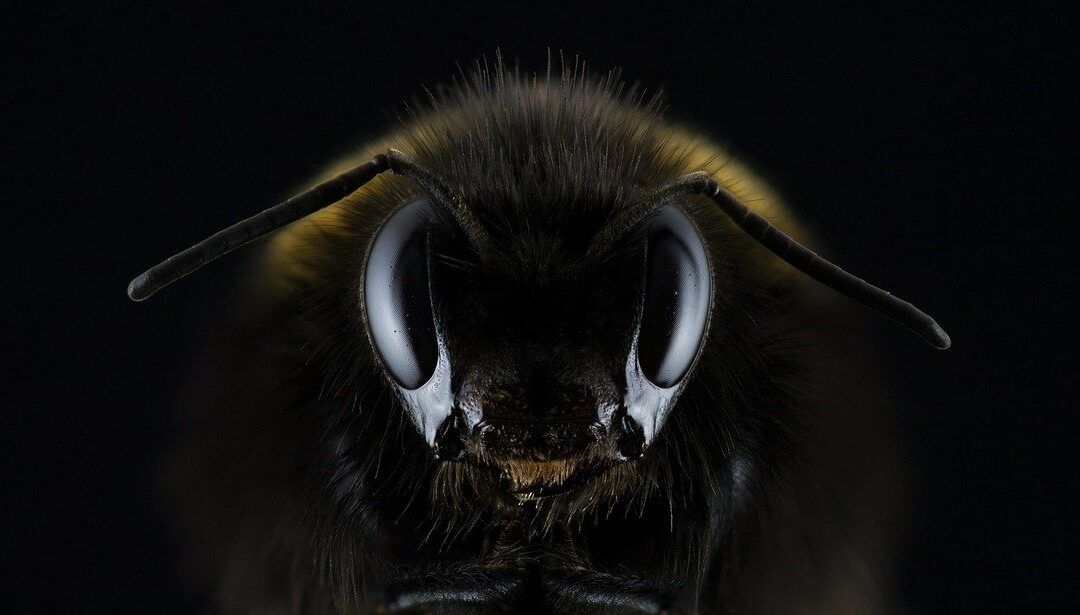
The extreme fear of insects is called entomophobia and is one of the most common forms of phobia. It causes panic and acute anxiety in its victims, but there are effective ways to get rid of it, such as virtual reality, medication, etc. Psychologists offer virtual reality therapy to help clients overcome this fear by engaging in risky situations in a safe, virtual setting. These specialists use control parameters to adjust the computer-generated environment. The complex virtual environments involve replicating aspects of the real world through 360-degree views, 3D graphics and sound. Children and adults can develop entomophobia, especially when they have had hostile experiences with a particular insect. With approximately 6% of the population suffering from entomophobia, C2Care provides its clients with psychological and medical treatment for various fears, eating disorders, addiction-related stress, and implements virtual reality exposure therapy into their program. Keep reading to understand how virtual reality can help eradicate the fear of bugs.

Workaholism: the addiction to work
Workaholism or "boulomanie" in French refers to addiction to work. Unlike many other addictions, its symptoms such as presenteeism (being at work even when you shouldn't be) or over-investment in work are often valued in companies, which makes it more insidious and difficult to treat than most addictive disorders. However, as with all addictive behaviors, it exposes those affected to very significant health risks (hyperstress, burnout, depression).
Behavioral activation
Faced with depression and its negative symptoms, behavioral activation is today a first-line treatment whose effects continue to be highlighted in the scientific literature. Theorized in the 1950s, developed in the 1970s and popularized in the 1990s, behavioral activation shows equivalent effects to antidepressants and cognitive therapy, while simplifying the patient's therapeutic path. Spotlight on this technique still too little known.
Mindfulness meditation
When we are overwhelmed by our thoughts, suffocated by our ruminations, submerged by our anticipations, when we function on autopilot and have the impression that our life is passing us by, mindfulness meditation is a breath of fresh air to find our bearings in the present.
How is Covid-19 impacting on Mental Health ?
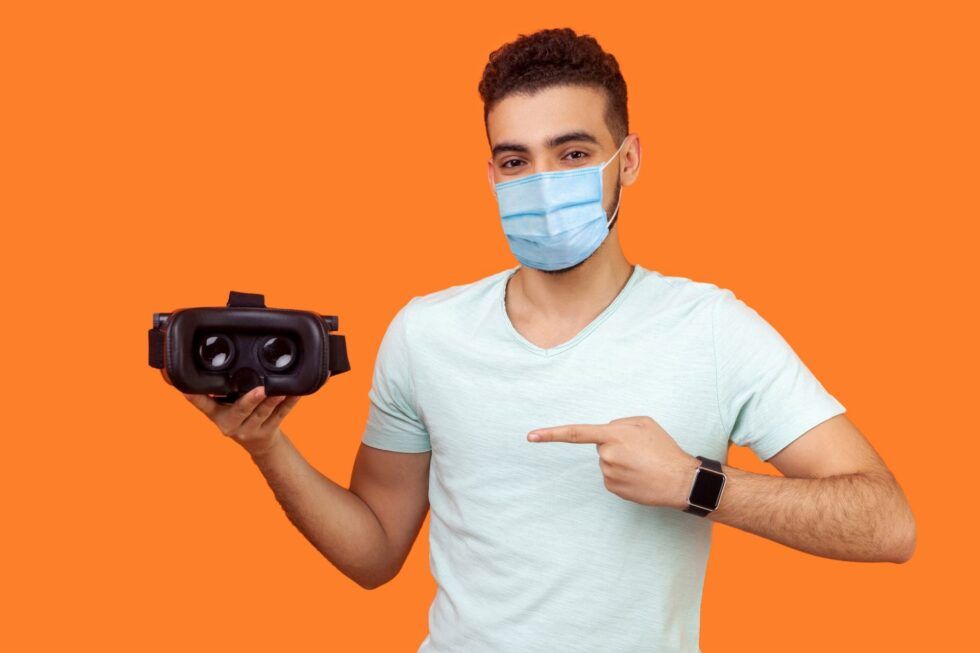
For several months now, people around the world have faced an unprecedented attack on their health, well-being and economy. This has created further obstacles for those already suffering from mental disorders ranging from anxiety to depression to substance abuse. It also creates mental problems in the population on a scale never seen before. The coronavirus is an unseen enemy that has been shown to affect the mental well-being of nearly half of the U.S. population. [1] Given that the pandemic and control methods are likely to continue, these statistics can only get worse, placing an enormous burden on mental health practitioners to remain innovative in supporting and treating their clients.
Mental health and climate change
You may be wondering what the link is between climate change and mental health? After all, how can one impact the other? The WHO (World Health Organisation) indicates that climate change represents a significant risk to mental health. In addition to impacting our planet, these changes will have an impact on anxiety, depression, violence and post-traumatic stress.