
Mindfulness meditation
When we are overwhelmed by our thoughts, suffocated by our ruminations, submerged by our anticipations, when we function on autopilot and have the impression that our life is passing us by, mindfulness meditation is a breath of fresh air to find our bearings in the present.

Key takeaways
- Mindfulness meditation trains present-moment attention without dwelling on thoughts or emotions.
- Unlike relaxation, it has no immediate feel-good goal but builds long-term acceptance skills.
- Regular practice brings serenity and reduces the grip of intrusive thoughts.
- It is used as a therapeutic tool for depression, anxiety disorders, ADHD, PTSD, chronic pain and sleep disorders.
- Free online tools exist, but a trained professional can tailor a program to individual needs.
WHAT IS MINDFULNESS MEDITATION ?
Mindfulness is a state of presence in the moment. It is the full experience of the sensations, emotions and thoughts that flow through us, without dwelling on or becoming attached to them.
Mindfulness meditation is therefore the practice that allows us to train ourselves to reach this state, to let go of our mental attachments in order to reconnect in the present moment with a conscious attention that can be internal, on physical sensations or emotions for example, or external, turned towards sounds, events, etc.
Inspired by Buddhist meditations, it is however not spiritual. It is a real therapeutic tool with many benefits.
MEDITATION AND RELAXATION, WHAT IS THE DIFFERENCE ?
Relaxation is a practice whose primary goal is to achieve a state of relaxation and well-being. Whether it is a muscular relaxation (Jacobson's progressive relaxation), respiratory (cardiac coherence) or by self-hypnosis (Schultz's autogenic training), the relaxation session is supposed to immediately relieve stress and anxiety, with more or less long-lasting effects in time. The primary objective, however, remains in the very short term.
Meditation, on the other hand, has no immediate feel-good purpose. It is an exercise that can be difficult or boring. Some people find it relaxing, but it is not particularly sought after and far from being systematic. On the other hand, mindfulness brings in the long term a set of abilities of detachment from thoughts and emotions, of acceptance of difficulties, to cope with daily life.
WHAT ARE THE EFFECTS OF MEDITATION IN DAILY LIFE ?
The first effect is that of serenity. Situations that once seemed insurmountable seem less important, less impressive. Mindfulness helps to relativize and put distance between our thoughts and the impact they may have. The intrusive thoughts are just that: thoughts. Mental events that have no impact on reality. They appear, we become aware of them, then they disappear. Not dwelling on them allows us to prevent them from clinging to our consciousness, to let them slide and disappear.
The same is true for emotions, simple mental events that are born, live for a short time in our mind before quietly disappearing.
Becoming aware of the ephemeral nature of thoughts and emotions allows one to realize that no suffering is infinite, that no difficulty can last forever, and that although it is important to fully experience one's thoughts and emotions when they appear, they will always eventually disappear.
Mindfulness also allows, in an ultra-connected and ever-moving, future-oriented world, to refocus on the present, to get off autopilot, and to fully rediscover the experiences of life.
IN WHAT SITUATIONS SHOULD MEDITATION BE USED ?
Mindfulness meditation can be beneficial to everyone. It allows everyone to free themselves from superfluous worries and to reconnect with the present for a more serene life.
However, it is an extremely useful tool in the treatment of many pathologies:
- depression (more specifically the MBCT program)
- anxiety disorders (more specifically the MBSR program)
- ADHD
- PTSD
- chronic pain
- sleep disorders
- anxiety disorder related to a chronic illness
More generally, mindfulness meditation can help patients suffering from negative intrusive thoughts and ruminations by making them more aware of the ephemeral nature of cognitions and reducing their impact. Thoughts are seen as mere mental events with no impact on the real world, which diminishes their effect and facilitates cognitive restructuring.
The AI revolution!
Try our artificial intelligence for free and discover how it can support you in your daily life.

HOW TO PRACTICE MINDFULNESS ?
Nowadays, many tools and guides are available for free on the Internet. They offer a good introduction to the practice of mindfulness, without going into the details of more advanced programs.
If you suffer from any of the above disorders, or feel that mindfulness meditation could be beneficial in your life over the long term, don't hesitate to reach out to a trained professional who will be able to offer you a program tailored to your needs.
Professionals wishing to learn to practice mindfulness can turn to training in specialized therapeutic protocols such as Mindfulness Based Stress Reduction (MBSR) and Mindfulness Based Cognitive Therapy (MBCT). Practicing mindfulness also helps to teach it, to better understand the experience of this practice, its difficulties, and the solutions that can help practice it.
Virtual Reality and Virtual Reality Exposure Therapies (VRET) also offer additional tools for mindfulness practice, with digital environments to facilitate and guide meditation practice.
Frequently asked questions about mindfulness meditation and virtual reality
What is the difference between meditation and relaxation?
Relaxation aims to provide immediate stress relief through techniques such as muscle relaxation, breathing exercises or self-hypnosis. Mindfulness meditation does not primarily seek immediate well-being: over time, it develops the ability to step back from thoughts and accept difficulties.
Which conditions can benefit from mindfulness meditation?
Mindfulness meditation can be helpful for depression through MBCT programs, anxiety disorders through MBSR programs, ADHD, post-traumatic stress disorder, chronic pain, sleep disorders and anxiety related to chronic illness.
How can I start practising mindfulness?
Many free tools and guides are available online for an initial introduction. For a specific condition or long-term benefits, it is recommended to consult a trained professional who can provide a program tailored to the patient’s needs.
How can a practitioner train in mindfulness?
Practitioners can undertake training in Mindfulness-Based Stress Reduction (MBSR) and Mindfulness-Based Cognitive Therapy (MBCT) protocols. Practising mindfulness themselves can also help them better understand the experience, challenges and solutions they can share with patients.
What is the connection between virtual reality and mindfulness meditation?
Virtual reality and virtual reality exposure therapies can provide complementary tools for mindfulness practice. Digital environments can help facilitate and guide the patient’s meditation sessions.
Does mindfulness meditation have a spiritual dimension?
No. Although inspired by Buddhist meditation practices, mindfulness is not inherently a spiritual practice but a therapeutic tool with multiple benefits that is used in healthcare settings.
Can I feel nauseous when using a virtual reality headset?
Yes, this can happen. This phenomenon is known as cybersickness and affects part of the population. It is reversible: it is recommended to begin with static environments, such as relaxation scenes, before gradually introducing movement.
Author
C2Care
Related articles

Cardiac coherence
Cardiac coherence is a breathing technique that aims to immediately decrease the heart rate in a particularly stressful situation. You can be fully involved in the regulation of your emotions in just 15 minutes a day.

Sophrology
Reducing anxiety by being in complete control of one's body and thoughts is the very principle of sophrology. This therapeutic technique is based on various methods of relaxation, breathing, and imagery that lead to a rapid and long term appeasement. Sophrology has also proven itself when used in conjunction with virtual reality.
Cognitive distortions
Every day we have to understand the reality that surrounds us. All our psychological processes are activated in different situations: decision making, emotions, understanding, evaluation. But these processes can be erroneous and limited by cognitive distortions.

The TIPI method
Anxiety, sadness and anger are negative emotions that can be difficult to manage and that can impact personal and professional life. There are simple and quick methods that help accept and deal with these emotions so that they no longer weigh on daily life. Among them, the TIPI method.
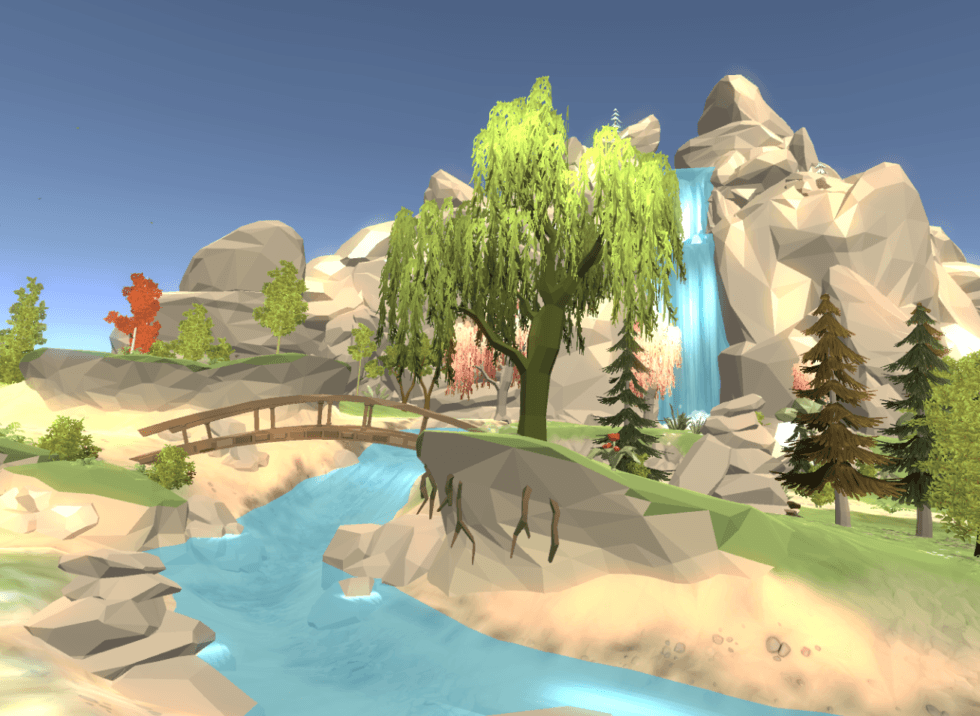
Virtual nature, real well-being
Regular exposure to nature is an integral component of good mental health. The sun, the greenery, the wind, are all elements that contribute to a good psychological balance and a better quality of life. However, certain unforeseen events in life sometimes prevent us from taking full advantage of these benefits. Here we highlight an alternative solution to enable as many people as possible to enjoy nature: virtual nature.

ACT therapy
In mental health and in the context of psychotherapy, one element often comes up as a source of suffering: the need for control, and the distress it brings when, inevitably, certain elements escape this control, which can lead to a feeling of incapacity. ACT is one of the tools to overcome this difficulty.