
Rehabilitation & recuperative care
Supporting practitioners in brain injury rehabilitation with virtual reality
C2Care's virtual reality solutions help rehabilitation and recuperative care institutions support patients with brain injuries or cognitive disorders.
Designed for neuropsychologists, occupational therapists, physiotherapists and psychomotor therapists, our software helps optimize patients' autonomy and rehabilitation, on a secure platform built to host personal health data.
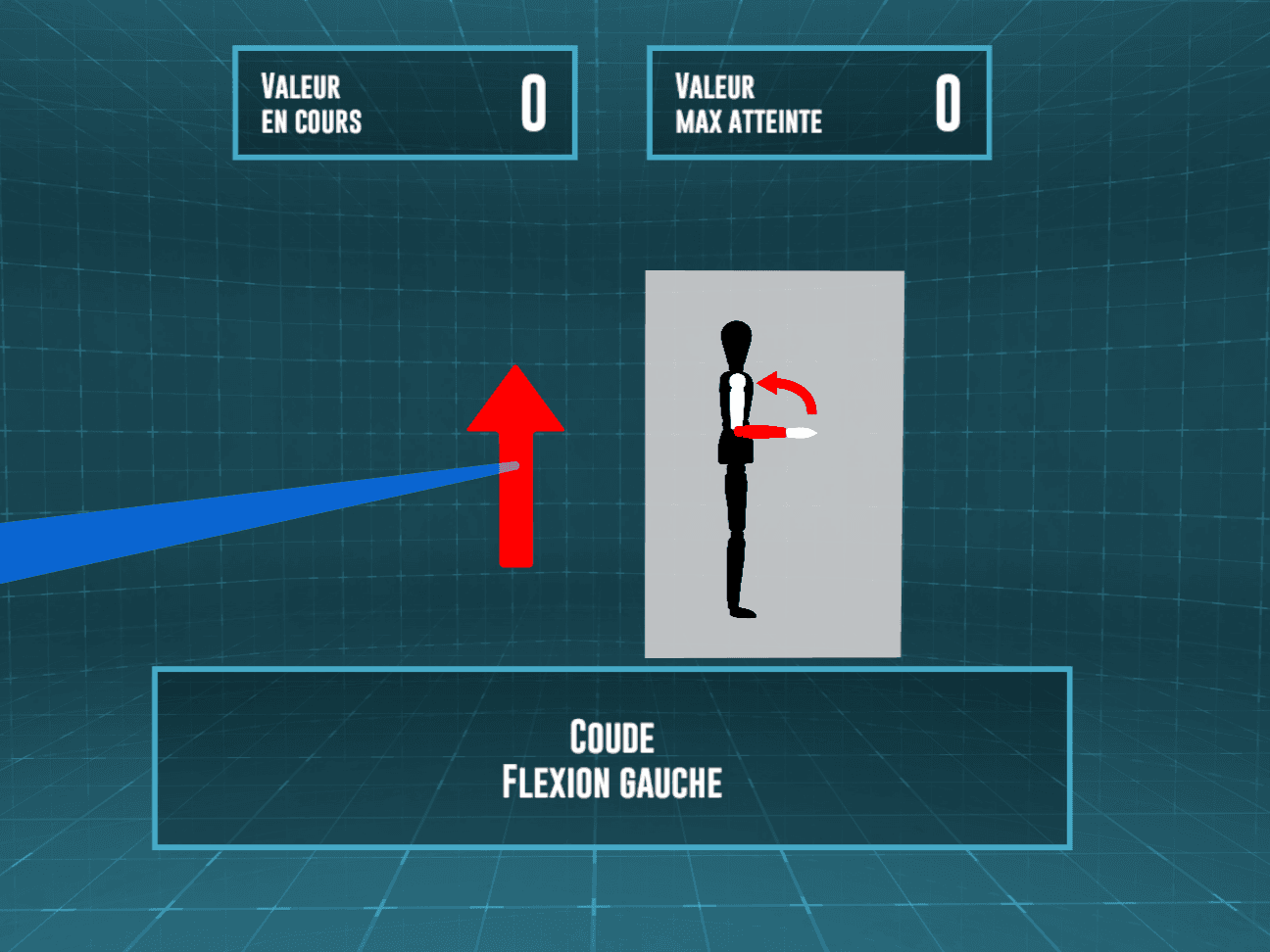
- +350
- facilities
- equipped
- +700
- practitioners
- trained
- +10
- years
- of expertise
- +25
- countries
- of deployment
About C2Care and rehabilitation and recuperative care
What is rehabilitation and recuperative care?
Rehabilitation and recuperative care supports patients after brain damage caused by trauma, stroke, tumors or other conditions. Since 1946, the World Health Organization has defined health as a complete state of physical, mental and social well-being, not merely the absence of disease.
Brain injuries often cause physical, cognitive, behavioral and psycho-affective disorders. Global, patient-centered care addresses these consequences rather than treating symptoms alone.
How it works
A complete solution for rehabilitation
C2Care combines a virtual reality headset, a therapeutic platform and personalized support to help practitioners work with patients recovering from brain injury.
Headset & hardware
C2Care's virtual reality headset immerses patients in realistic environments to rebuild motor, cognitive and practical abilities after a brain injury.
Therapeutic platform
The therapeutic platform lets practitioners control every stimulus and track patients' progress, adjusting exercise difficulty to their evolving abilities.
Personalization
Environments and exercises can be tailored to each patient's disorders, whether physical, cognitive, behavioral or psycho-affective.
Support
C2Care supports neuropsychologists, occupational therapists, physiotherapists and psychomotor therapists throughout their use of the software.
How it works
How to use virtual reality for rehabilitation
- 1
Choose the environment
Select an environment suited to the patient's needs: C2Motion for mobility and proprioception, C2Neuro's supermarket scenario for cognitive and motor rehabilitation, or C2Drive to evaluate driving abilities.
- 2
Equip the patient
Fit the patient with the virtual reality headset and check that the setup is comfortable and secure before starting the exercise.
- 3
Adjust the exposure
Adjust the exercise's difficulty and stimuli to the patient's physical, cognitive or behavioral abilities, controlling every parameter of the scenario.
- 4
Support
Observe the patient's responses during the exercise and track progress across sessions to adapt the rehabilitation program over time.

Environments
Rehabilitation environments
C2Care offers several virtual environments adapted to different rehabilitation needs.
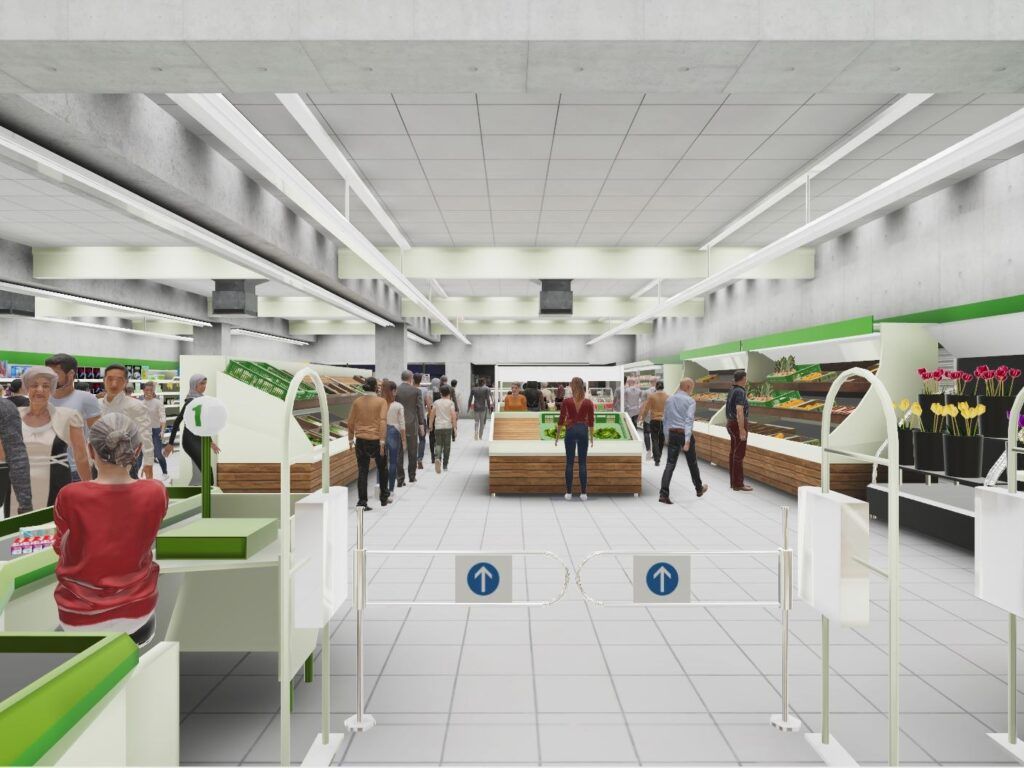
Supermarket environment
C2Neuro's ecological supermarket scenario lets practitioners work on executive functions, working memory, orientation, spatial navigation, practical abilities and grip.
More details
Driving environments
C2Drive reproduces various driving conditions, including highway, city and bridge scenarios, to evaluate a patient's risk level and ability to drive again after a brain injury.
More details
Cognitive stimulation
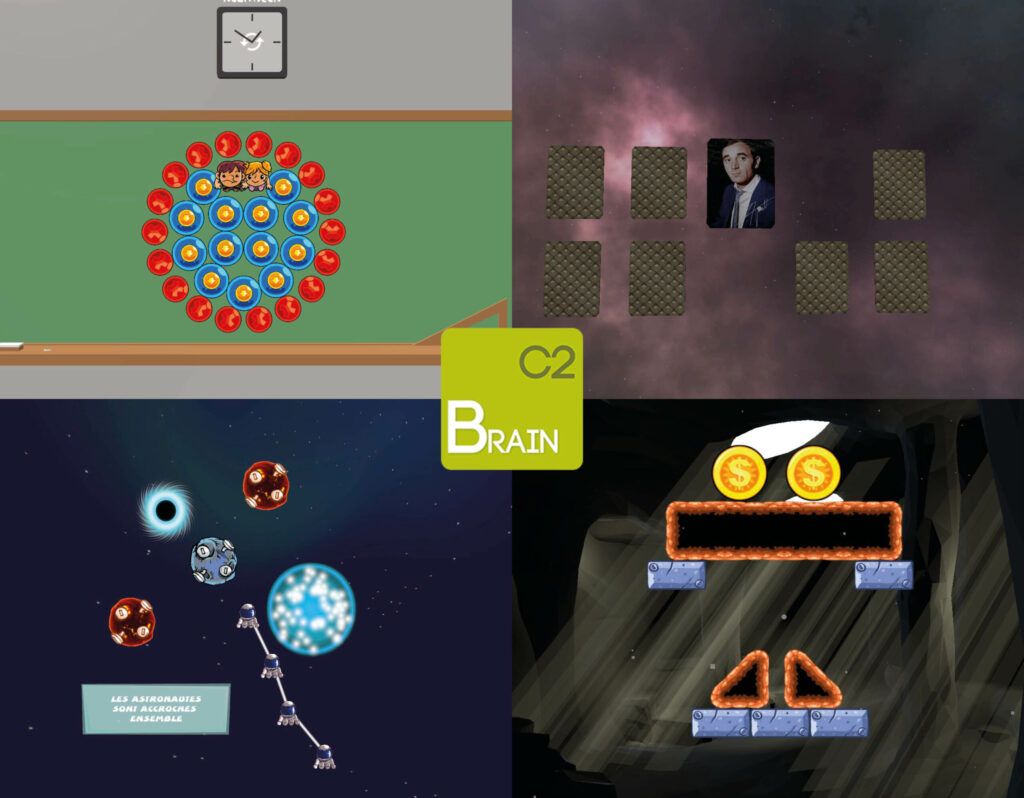
C2Brain offers easy, ludic and motivating games designed to stimulate patients' cognitive abilities.
More details
Relaxation environments
C2Hypno provides relaxing environments designed to decrease anxio-depressive disorders. These environments can also be used to help manage pain.
More detailsTherapeutic applications
Which disorders can be treated with virtual reality rehabilitation?
C2Care's rehabilitation tools address a range of disorders linked to brain injury.
Stroke
Stroke is the leading cause of disability in adults and often causes motor, cognitive and behavioral sequelae. C2Care's virtual environments let practitioners work on mobility, proprioception and cognitive functions in a controlled, adaptable setting.
Traumatic brain injury
Traumatic brain injury is the primary cause of disability in people under 45 and frequently affects executive functions, memory and attention. C2Care's immersive scenarios allow graduated exercises tailored to each patient's remaining abilities.
 Learn more
 Multiple sclerosis
Multiple sclerosis is the leading non-traumatic cause of disability in young adults. Virtual reality environments help practitioners work on motor and cognitive rehabilitation while controlling every stimulus presented to the patient.
Depression
Anxio-depressive symptoms are common after brain injury. C2Hypno's relaxation environments help reduce these symptoms and can also be used to help manage pain.
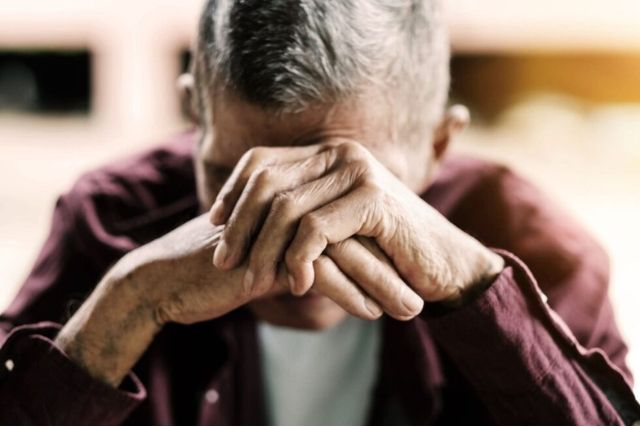
Generalized anxiety disorder
Brain-damaged patients often develop anxiety alongside their physical sequelae. C2Care's relaxation and exposure environments support practitioners in addressing this anxiety within a broader rehabilitation program.
 Learn more
Success stories
What practitioners say
Discover feedback from professionals using C2Care in rehabilitation and recuperative care.
Success stories
Why choose C2Care
+350
facilities
equipped
+700
practitioners
trained
+10
years
of expertise
+25
countries
of deployment
FAQ
Frequently asked questions about virtual reality rehabilitation
Find answers to common questions about using virtual reality in rehabilitation and recuperative care.
Why use virtual reality in the field of mental health?
Virtual reality lets patients confront anxiety-inducing situations in a secure environment, with gradual and controlled exposure. It offers realistic, reproducible environments and increases patient engagement, adapting treatment to each patient across anxiety disorders, phobias, PTSD, addictions and cognitive remediation.
What pathologies can virtual reality treat in rehabilitation?
Studies show virtual reality remediation benefits patients recovering from cardio-vascular accidents, traumatic brain injuries, mild cognitive impairment and Alzheimer's disease, as well as other neurological conditions such as cerebral palsy or spinal cord injuries, and schizophrenia.
Which patients can benefit from TERV?
Virtual reality exposure therapy shows benefits across a wide age range, from adults to adolescents and elderly patients, for anxiety disorders, autism, addictions, eating disorders and mood disorders. It is not advised for patients with epilepsy or who are pregnant.
Can virtual reality be dangerous?
Virtual reality is not recommended for patients with epilepsy or who are pregnant. Some patients experience cybersickness, a reversible phenomenon; starting with static environments before introducing movement helps the body adapt.
Can I feel nauseous while using the headset?
Yes, this is called cybersickness, a phenomenon well known to scientists that affects part of the population. It is reversible. Practitioners can start patients with static environments, then introduce slight head movements before progressing to slower motion.
What are the benefits for therapists using virtual reality?
Virtual reality helps therapists differentiate their practice, supported by extensive research validating its use. Its interactive nature improves patient engagement, and it saves time by giving direct access to exposure environments without external logistics.
Who should I contact in case of software issues?
Contact C2Care's technical support team via live chat from your control panel. For a headset issue, the team helps diagnose the problem and, if needed, provides a return label and replaces the defective equipment within 48 hours.
Can I feel nauseous while using the headset?
This can happen and is known as cybersickness, a well-documented phenomenon affecting part of the population. It is reversible: starting with static environments, such as relaxation scenes, then progressing to slight and later slow head movements helps the body adapt to the sensation of movement while remaining physically still.
Who can use virtual reality for rehabilitation treatment?
C2Care's tools are designed for healthcare professionals working on readaptation, including neuropsychologists, occupational therapists, physiotherapists and psychomotor therapists. They can be used with a wide range of patients, from adolescents to elderly patients.
What are the benefits for therapists using virtual reality?
Virtual reality helps practitioners stand out from traditional treatment options, is backed by extensive research, improves patient engagement, and saves time by giving direct access to various exercise environments without external logistics.
Do I have access to all environments?
Access to environments depends on your C2Care subscription plan. Contact your account manager for details on the environments included in your offer.
Who should I contact in case of software issues?
Our technical support team can be reached via live chat from your control panel. If you experience an issue with your headset, we will help diagnose the problem and find a solution, providing a return label and replacing defective equipment within 48 hours if necessary.
Which patients can benefit from virtual reality rehabilitation?
Virtual reality is effective across a wide range of patients. Studies show good feasibility and significant results in adults, adolescents and elderly patients, particularly for cognitive stimulation and behavioral disorders. It is not recommended, however, for people with epilepsy or for pregnant individuals.
How do I cancel my subscription?
You can cancel your subscription by contacting your C2Care account manager or through your control panel, in accordance with the terms of your contract.