
31 August : International Drug Overdose Prevention Day
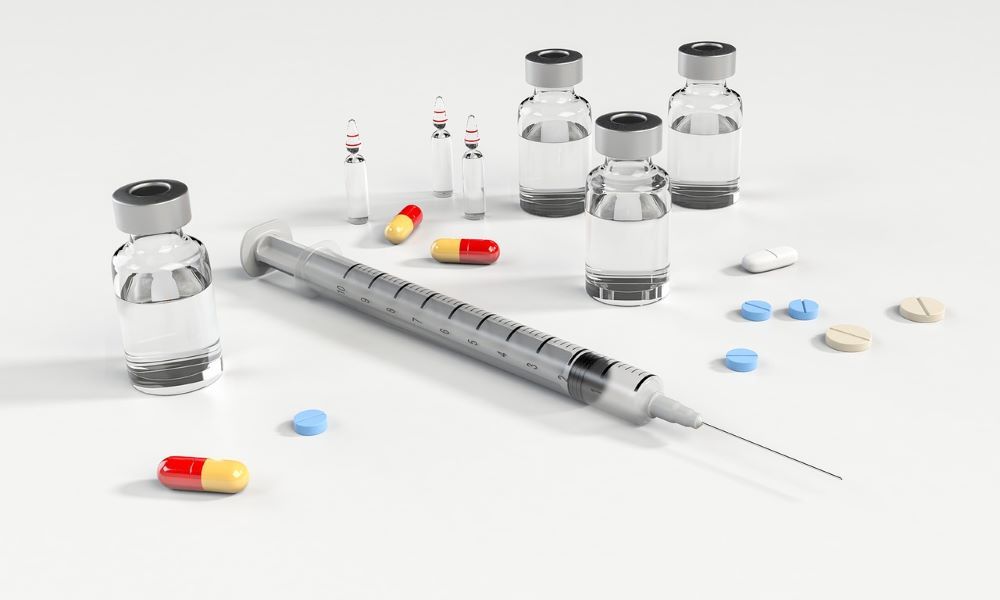
In France, several hundred deaths by overdose were recorded in 2022, affecting users aged 15 and over. Drug use is intensifying and users and sellers are increasingly turning to hard drugs. Those who used to sell cannabis can now also sell cocaine. Access to these drugs has been made easier for users. Indeed, there is now a form of ubercisation in the sale of drugs, as the police have noticed that some people are now being delivered. It has therefore become a priority to think about saving lives by avoiding the use of illicit products.
Key takeaways
- Drug overdoses are rising in France, with several hundred deaths recorded in 2022 among users aged 15 and over.
- An overdose occurs when substance intake exceeds the body's tolerance threshold, which varies from person to person.
- Warning signs include altered consciousness, breathing changes, unusual body marks and shifts in mood or hygiene.
- Call emergency services immediately if you suspect an overdose; anti-overdose kits containing naloxone can help save a life.
- Prevention relies on non-judgmental support and guiding users toward addiction centers such as CSAPA or CAARUD.
WHAT IS AN OVERDOSE ?
An overdose is an excessive intake of a substance, producing effects that the body can no longer tolerate. This consumption surpasses the body's tolerance threshold, which is unique to each person based on morphology, usual consumption, lifestyle habits, etc.
Regardless of the drug or medication taken, an overdose is possible. Today, the illegal market for illicit substances is growing, affecting more and more users, whether they are new to consumption or not. Lack of knowledge about the consequences and uses among consumers makes this consumption even more dangerous. An overdose can occur accidentally following drug use or intentionally, as in a suicide attempt.
Moreover, it is difficult to truly know what the consumed substance contains. Products are often mixed with other substances that can be much more dangerous even in small doses, such as fentanyl or carfentanil. An overdose can manifest through altered states of consciousness, potentially leading to comas. Symptoms such as excessive sweating, reduced respiratory rate, and changes in heart rate (either slowing down or excessively speeding up) can be experienced, often leading to death if resuscitation is not administered very quickly.
If you see someone suffering from these symptoms, call emergency services immediately.
HOW TO PREVENT AN OVERDOSE ?
Regarding prevention, it is challenging to prohibit someone who wants to use drugs from doing so. They will not listen to or heed your advice. However, you can always try to prevent, guide, and support the person. It is true that drug use is often due to underlying distress that one tries to numb with a substance that temporarily eases the pain. Try to understand the composition of the drug the person is using. Do not judge but accept their consumption. This understanding can help in addressing the person's distress and facilitate guiding them towards a healthcare professional. If this person is using drugs in your presence, encourage them to hydrate regularly. It is important that they do not use drugs alone. Overdoses often occur when there is no one to call for help and assist the person. But can you stay with this person while they use? It is important not to use other substances simultaneously and to start with small doses. Be ready to alert emergency services if necessary.
The most important thing if you want to help someone who uses drugs is not to make them feel guilty but to show that you are ready to listen and help guide them towards another professional. You can call a drug information center or an addiction center such as a CSAPA or CAARUD. They can also provide anti-overdose kits that you can use on the person if they lose consciousness (instructions are on the packaging). Overdose death can be prevented if you administer naloxone, present in these kits, either by spray or injection, and perform certain first aid measures while waiting for emergency services to arrive. Follow the instructions you have and what emergency responders tell you. There may sometimes be shortages, so always try to have some on hand or ask the person who uses drugs to carry one with them.
SIGNS OF EXCESSIVE CONSUMPTION
If you are unsure about someone's drug use and have doubts about their behavior, certain signs can provide clues. Not all drugs have the same symptoms, but these can give you an indication. You may notice changes in the person's daily activities and hygiene, significant weight changes, unstable sleep patterns, extreme fatigue, and an unpleasant body odor. Impulsive, aggressive behaviors and excessive daydreaming, accompanied by severe anxiety or depressive symptoms, may also be noticed.
Physically, you might see unusual marks on the body, syringe marks, red eyes with dilated pupils, tremors, abnormal redness or paleness, nosebleeds, and a dry cough.
If you think you have detected these signs in someone you know, you can try to talk to them about possible solutions in a supportive manner. Remember that drug use is often a crutch and a solution found to cope with another underlying problem. You can invite them to get a consumption assessment from a professional. There are specialized addiction clinics, hospital services, or psychiatrists who can help.
In any case, do not try to bear the weight of the person's consumption on your own, but help them get redirected to a professional or center that can provide appropriate assistance.
The AI revolution !
Try our artificial intelligence for free and discover how it can support you in your daily life.

Frequently asked questions about overdose prevention and virtual reality
What is an overdose?
An overdose is an excessive intake of a substance, producing effects the body can no longer tolerate. This tolerance threshold varies from person to person, depending on their build, consumption habits and lifestyle.
What are the signs of excessive consumption?
Several physical and behavioural signs can raise the alarm: marks on the body, red eyes, dilated pupils, tremors, weight changes, unstable sleep, impulsive or aggressive behaviour, severe anxiety or depressive symptoms.
What should I do if someone overdoses in front of me?
Call emergency services immediately. Overdose kits containing naloxone, available through centres such as CSAPA or CAARUD, can prevent an overdose death while waiting for help to arrive.
How can I support someone who uses drugs without judging them?
The key is not to make them feel guilty, but to show that you are listening and to guide them towards a professional. Try to understand what substance they are using and accept their consumption without judgement, to keep the dialogue open.
Why use virtual reality in mental health?
Virtual reality enables gradual, controlled exposure to anxiety-inducing situations in a safe, reproducible environment. It supports patient engagement and can be adapted to specific needs, particularly in addiction treatment.
Can I feel nauseous when using the headset?
It can happen: this is cybersickness, a well-known phenomenon that affects part of the population. It is reversible. Starting with static environments and gradually introducing movement allows the body to adapt.
Who can benefit from virtual reality exposure therapy?
Virtual reality is effective across a wide range of populations, from adults and adolescents to older people, with proven therapeutic benefits. It is not recommended, however, for people with epilepsy or who are pregnant.
What role does the AI assistant Camille play in patient support?
The AI assistant Camille accompanies the patient and acts as a trusted companion to whom they can confide their concerns without fear of judgement. Virtual characters also recreate everyday social situations for training purposes.
Author
C2Care
Related articles

Emotional dependence
"I could die without you"… Have you ever found yourself saying or thinking this sentence? Do you suffer particularly from breakups in love or friendship, and you have the impression that this pattern is regularly repeated? It is impossible for you to imagine being able to make a decision or even to live without the other person? It is therefore highly possible that you are suffering from an emotional dependence, and that it is eating away at you on a daily basis, in your personal, relational or professional life.

Improve concentration
Being able to concentrate is not something you are born with, you have to learn to develop it. And yet, it is key to our development in our personal and professional lives, and will help you achieve your goals. Therefore, it will bring you personal satisfaction and pride of accomplishment. Nevertheless, it is not easy to cut off all the surrounding or internal distractors to focus only on our goal. Here are some tips on how to improve your concentration.

Workaholism: the addiction to work
Workaholism or "boulomanie" in French refers to addiction to work. Unlike many other addictions, its symptoms such as presenteeism (being at work even when you shouldn't be) or over-investment in work are often valued in companies, which makes it more insidious and difficult to treat than most addictive disorders. However, as with all addictive behaviors, it exposes those affected to very significant health risks (hyperstress, burnout, depression).
Dissociative identity disorder
Perhaps you've already heard of DID: Dissociative Identity Disorder. We're hearing more and more about it in the media, and we can even find it in certain films (e.g. Split). As a result, both true and false information about this pathology is circulating. Let's take a look at TDI together!
Managing an anxiety attack
As the situation overwhelms us, our anxiety takes on a life of its own, sometimes going so far as to cause a panic attack. This situation is particularly unpleasant for the person experiencing it, with significant physical and psychological symptoms. But this feeling is not irreparable, and there are a few tips for managing your anxiety attack in the emergency of the situation. It is also possible to reduce the risk of panic attack in the longer term by adopting certain strategies.

Working on self-confidence
We have all, at one time or another, doubted ourselves or our abilities to accomplish a task or overcome an obstacle. When this lack of self-confidence starts to become too difficult to overcome and it handicaps us, limits us, builds barriers to our projects or desires, it is fundamental to take responsibility for improving it. Having self-confidence will allow you to achieve great things, and your personal pride will only grow!