
Beck's cognitive model
Beck's cognitive model is taught in the second session in the treatment of anxiety disorders (toc, phobia). These sessions are often done in a group setting in order to involve the patients. Our brain works like a computer processor, its main function is data processing: it is constantly processing sensory information. In a given situation, the brain cannot analyze everything, it has its limits.

Key takeaways
- Beck's cognitive model is taught in the second session of anxiety disorder treatment (OCD, phobias).
- The brain selects information through cognitive schemas and beliefs formed in childhood, not innate.
- This selective interpretation generates catastrophic thoughts and triggers anxiety.
- Anxiety can provoke escape behaviors or rituals in patients with OCD.
- Cognitive therapy modifies these interpretations to make them more realistic.
BECK'S COGNITIVE MODEL
Beck's cognitive model is taught in the second session in the treatment of anxiety disorders (toc, phobia). These sessions are often done in a group setting in order to involve the patients. Our brain works like a computer processor, its main function is data processing: it is constantly processing sensory information. In a given situation, the brain cannot analyze everything, it has its limits. It will make a selection of the information present in the environment to analyze only a part of it: the perception will not be the same according to the individual. This selection is made possible by cognitive schemas or beliefs. Beliefs are acquired during childhood. Cognitive schemas are not innate, they come from our experience and our beliefs and allow us to select the most relevant information.
This selection will influence our interpretation of the situation, our thoughts, our point of view regarding the situation.
For example: If I serve you a cup of green tea, what do you do before you drink it? What do you pay attention to? The temperature? This is information selection. Information influences patients according to their cognitive patterns and beliefs that are wrong.
They will select everything related to hazards, but not the rest of the environment, which will influence the interpretation of the situation and generate the disaster situation.
As the patient has thoughts of catastrophe, he will have the feeling that he is in danger. Their protection system is set up: this is where the anxiety comes from. It is the interpretation that they make of the environment that leads to the anxiety by the situation itself. Anxiety will provoke escape or rituals for people suffering from OCD. From this model comes cognitive therapy which consists in modifying this interpretation to make it realistic and therefore more serene.
Discover Gray's neurobiological model, and Barlow's etiological model.
Ready to take action on your phobia?
Create a free C2Care account to get more information and try out a scene incorporating artificial intelligence directly online.

Frequently Asked Questions about Beck's Cognitive Model and Virtual Reality
Why use virtual reality in the field of mental health?
Virtual reality enables gradual and controlled exposure to anxiety-inducing situations in a secure environment. It also provides realistic, reproducible immersive scenarios, increased patient engagement, and personalized treatment across a wide range of conditions, including phobias, post-traumatic stress disorder, and obsessive-compulsive disorders.
What pathologies can be treated with virtual reality?
Virtual reality is used for anxiety disorders, including phobias, post-traumatic stress disorder, and obsessive-compulsive disorders, as well as addictions, mood disorders, eating disorders, autism, psychotic disorders, and neuropsychological disorders, plus cognitive remediation.
Can I feel nauseous while using the headset?
Yes, this is called cybersickness, a well-known and reversible phenomenon affecting part of the population. To adapt, start with static environments such as relaxation scenes, then introduce slight head movements before progressing to slower movements, letting your body adjust gradually.
Which patients can benefit from virtual reality exposure therapy?
Virtual reality shows real therapeutic benefits across a wide age range. Studies report strong feasibility and significant results in adults, adolescents, and elderly patients, particularly for anxiety disorders, addictions, eating disorders, and cognitive or behavioral difficulties. It is not recommended for people with epilepsy or pregnant individuals.
Can virtual reality be dangerous?
Virtual reality is generally well tolerated, but it is not recommended for people with epilepsy or for pregnant individuals. Some patients may experience cybersickness, a reversible discomfort that fades as the body adapts to the headset.
What are the benefits for therapists using virtual reality?
Virtual reality helps therapists differentiate their practice from traditional treatment options and is backed by extensive research supporting its credibility. It also improves patient engagement through its interactive nature and saves time by giving direct access to exposure environments without external logistics.
Who should I contact in case of software issues?
You can reach C2Care's technical support team through the live chat available in your control panel. If your headset is faulty, the team will help diagnose the issue and, if needed, provide a return label and replace the defective equipment within 48 hours.
How long has this existed?
C2Care has been developing and testing its virtual reality software with hospitals since 2016, giving practitioners years of clinical experience with exposure environments. This ongoing collaboration continues to refine the treatment protocols used today.
Author
C2Care
Related articles

Barlow's etiological model
Barlow's etiological model is presented in the second group therapy session. This model explains the causes of phobias, anxiety, OCD… According to this model, there may be a biological hereditary vulnerability, that is, a sensitivity to anxiety that is passed on by the parents. This sensitivity has advantages: it allows us to be sensitive to the environment and the people around us. This can be an advantage in human care (nurses, care assistants, psychologists), with animals (veterinarians) but also in the arts. Artists are often anxious people but also sensitive to the environment, and this sensitivity is very useful in the creative world.
Cognitive distortions
Every day we have to understand the reality that surrounds us. All our psychological processes are activated in different situations: decision making, emotions, understanding, evaluation. But these processes can be erroneous and limited by cognitive distortions.
Gray's neurobiological model
Psychoeducation is done during the first group therapy session and consists of explaining the patterns of anxiety for patients who are phobic, have OCD, or have generalized anxiety disorders. The models help explain the causes and mechanisms of anxiety, the goal is to get patients to understand what is going on in their brains. Ignorance leads to fear. In group therapy, it is important to establish a dialogue with your patients and to set up an exchange, giving patients the opportunity to participate as often as possible.

Cognitive therapy: Self-observation
Cognitive therapy is used to help patients transform their way of thinking, to stop interpreting the situation in a dysfunctional way. For example, when the patient sees a dog, he or she thinks directly that the dog will bite him or her. The goal of these sessions is to change the way of thinking.
Neurotransmitters : our neural language
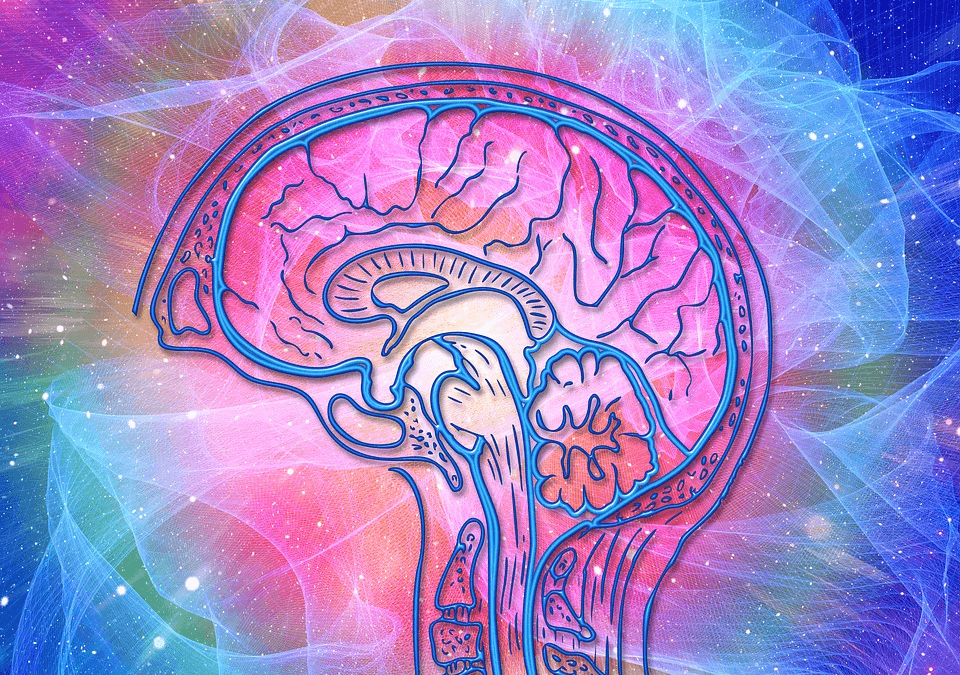
Have you ever heard expressions like "having a memory like an elephant"? Or "having the brain of a sparrow"? Because yes, not so long ago it was thought that intelligence and brain size were related. Today, it is no longer a secret; intelligence has nothing to do with the diameter of our forehead or the volume of our brain. We know that, despite its average weight of 1400 grams, the human brain is the most advanced and dynamic in the living world.
Understanding your stress
It is not always easy to understand and recognize stress in a situation. It is sometimes difficult to know to which element this anxiety refers. And yet it is necessary to reduce this anxiety, its symptoms and find serenity in everyday life.